Andaman Administration Proposes Major Shift in Nicobarese Tribal Council Governance
A&NI administration looks to introduce elections to Nicobarese community
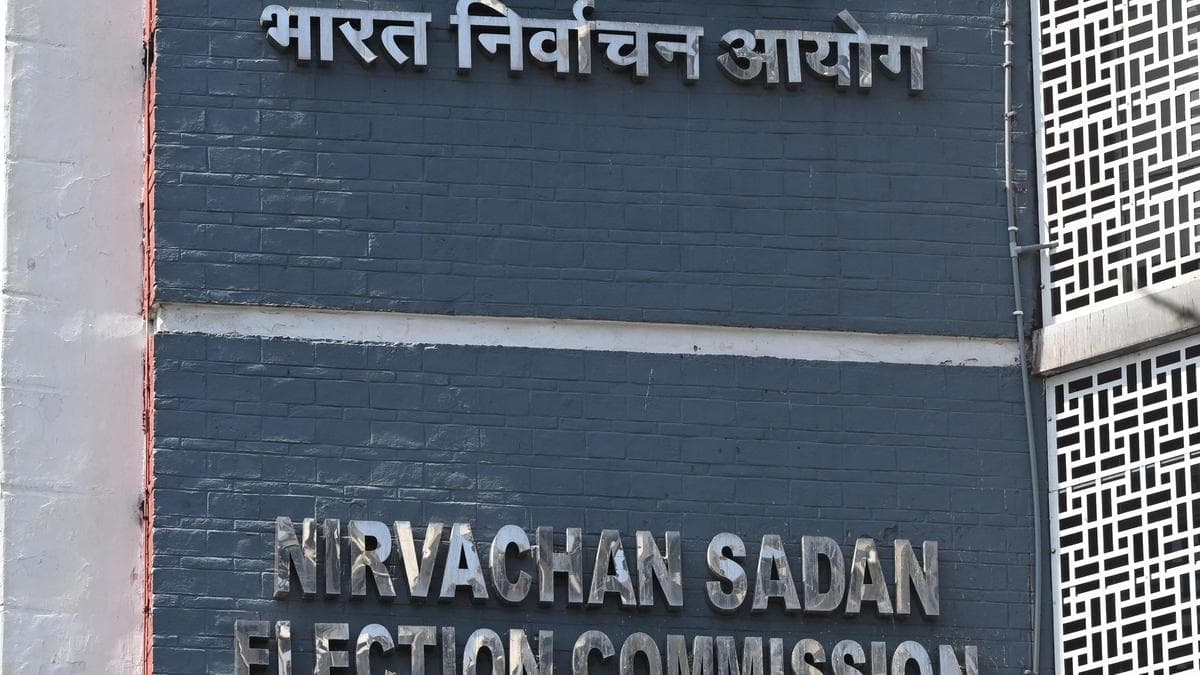
Draft rules for formal elections in the Nicobar islands spark debate over administrative autonomy and the future of indigenous leadership.
The administration of the Andaman and Nicobar Islands is moving to overhaul how the Nicobarese tribal community governs its affairs, proposing a transition to formal, ballot-based elections for Village and Island Tribal Councils. Under the draft rules released for public consultation, the administration intends to introduce standard democratic practices—such as constituency delimitation, official electoral rolls, and mandatory leadership quotas for women—across the archipelago. These rules, intended to align local governance with mainland electoral procedures, would establish five-year terms for representatives, formalizing a process that has historically been managed through traditional community consensus.
Concerns Over Bureaucratic Control
The proposal has triggered immediate pushback from Village Captains and local political figures, including TSG Bhasker, who has publicly urged the withdrawal of the draft. Critics argue that the move risks replacing intuitive, community-led governance with a rigid layer of bureaucracy. There is growing concern that these regulations, operating under the Andaman and Nicobar Islands (Tribal Councils) Regulations of 2009, will tighten central control rather than expand local autonomy. Although the 2009 regulation was originally framed to empower the Nicobarese, it included provisions granting the district administration a broad, unilateral veto over any Council decision deemed a threat to the "peace" or a "public annoyance."
The Shadow of Great Nicobar Development
The timing of this proposal has fueled suspicion, particularly regarding the contentious ₹92,000-crore infrastructure project planned for Great Nicobar Island. For nearly four years, the existing Tribal Council has been a vocal opponent of the proposed airport, container port, and tourist-township development. Some local observers and political voices suggest that the new election rules are a strategic maneuver by the Union government to cultivate a more compliant Nicobarese leadership that might be more receptive to the massive industrial footprint planned for the region.
A Struggle for Traditional Autonomy
The debate highlights a deep-seated tension between traditional indigenous customs and modern administrative oversight. While the draft rules detail the technical requirements for campaigning and the appointment of election officials, opponents emphasize that the Nicobarese have maintained effective, representative leadership for generations without the need for state-led electoral machinery. By proposing these rules now, the administration faces the difficult task of reconciling its push for institutionalization with the community's desire to maintain sovereignty over their ancestral lands.
The consultation period remains a critical juncture for the tribal community, as leaders weigh the benefits of codified elections against the potential erosion of their traditional authority. With various political factions calling for wider consultation and expressing skepticism over the government's intent, the path toward 2026 remains uncertain. For now, the future of the Nicobarese governing structure hinges on whether the administration can move past these mounting concerns or if the draft will face the same fate as previous attempts to formalize these island councils.
The PoliticalPedia Editorial Desk brings verified, sourced political news and analysis from across India.