After the flare-up: Netanyahu acknowledges halt in Iran hostilities but warns of future force
Netanyahu acknowledges halt in fighting with Iran but vows to respond 'with force' to future attacks
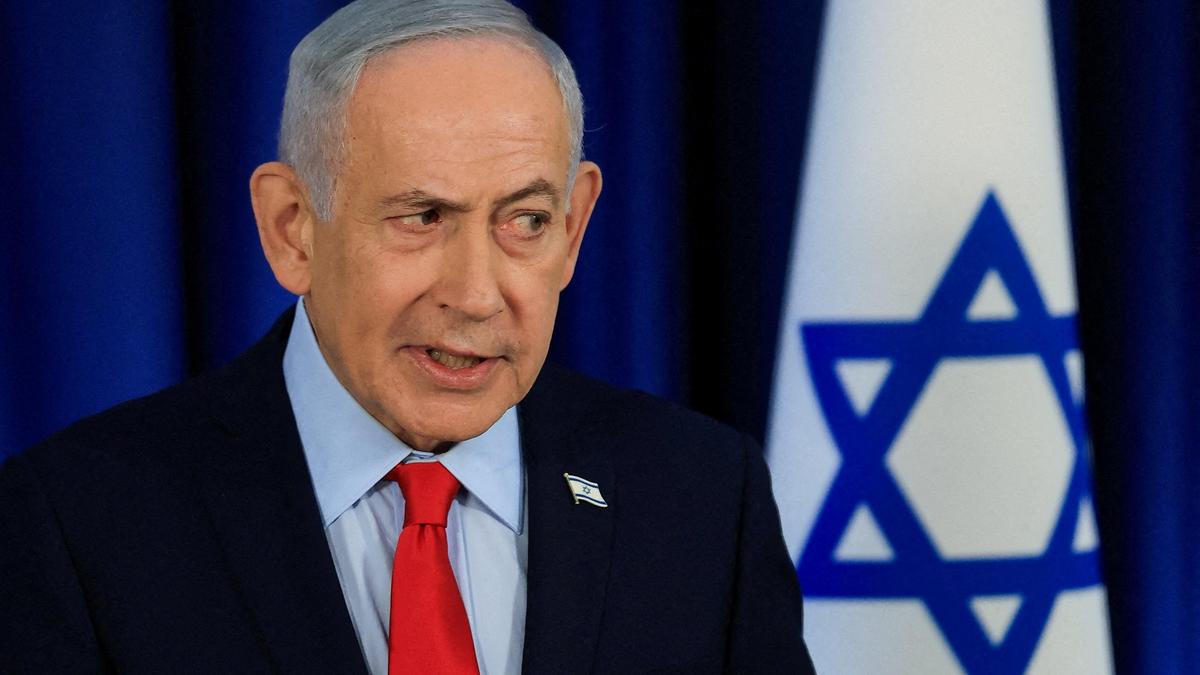
As the exchange of fire between Tel Aviv and Tehran cools, the Israeli leadership signals a fragile pause while keeping the military option on the table.
The smoke is clearing over the Middle East, at least for now. Israeli Prime Minister Benjamin Netanyahu has publicly confirmed that the recent, volatile round of fighting with Iran has reached a halt. Speaking to the cabinet, Netanyahu acknowledged the cooling of tensions, yet his message remained unmistakably sharp: any future attacks from Tehran or its proxies will be met with full, unmitigated force.
This de-escalation comes in the wake of a flurry of diplomatic pressure, with reports suggesting that external voices—including those from the U.S.—played a pivotal role in urging restraint. The recent skirmishes, which marked the first direct state-on-state military engagement between the two powers since the April ceasefire, had sent global markets into a tailspin and prompted urgent back-channel communications to prevent a regional conflagration.
The strategic pause
While the immediate "fire" may have been extinguished, the underlying geography of the conflict remains unchanged. Iran continues to broadcast its reach, with officials pointing to a self-styled "Belt of Resistance" that stretches from the Strait of Hormuz to the Red Sea. For New Delhi, which maintains deep energy and strategic stakes in the region, this shifting dynamic is a cause for concern. A prolonged conflict in this corridor would not only disrupt critical shipping lanes but also complicate the delicate balancing act India maintains between its partners in the West and its historic ties with Tehran.
The current pause, however, appears to be a tactical breather rather than a long-term peace. Netanyahu’s insistence that his government retains the right to strike with "full force" indicates that Israel is not moving toward a formal agreement. Instead, the strategy appears to be one of deterrence: keeping the military threshold high enough to discourage Iran from testing Israel’s red lines again.
Why it matters: The bigger picture
This cycle of tit-for-tat strikes reflects a deepening erosion of the "shadow war" that previously defined the Iran-Israel relationship. We are witnessing a transition from clandestine operations to overt, high-stakes military confrontations. For the global community, the risk is no longer just about regional stability; it is about the potential for accidental escalation as both sides navigate a precarious new normal.
Looking ahead, the focus shifts to the diplomatic arena. With figures like Marco Rubio expressing optimism about the potential for future nuclear talks despite strong skepticism from the U.S. Congress, the path remains narrow. Whether this latest halt in fighting provides enough space for substantive dialogue or simply offers both sides a chance to reload remains the central question. For now, the region waits to see if the "halt" holds or if the cycle of violence is merely catching its breath.
Ananya Iyer covers global affairs with an Indian lens for PoliticalPedia.