A New Chapter: Jaishankar and Khanal Push for a Decisive Shift in India-Nepal Ties
‘Very special relationship’: Jaishankar calls for ‘decisive shift’ in India–Nepal ties; Kathmandu signals reset, says ‘no old baggage’
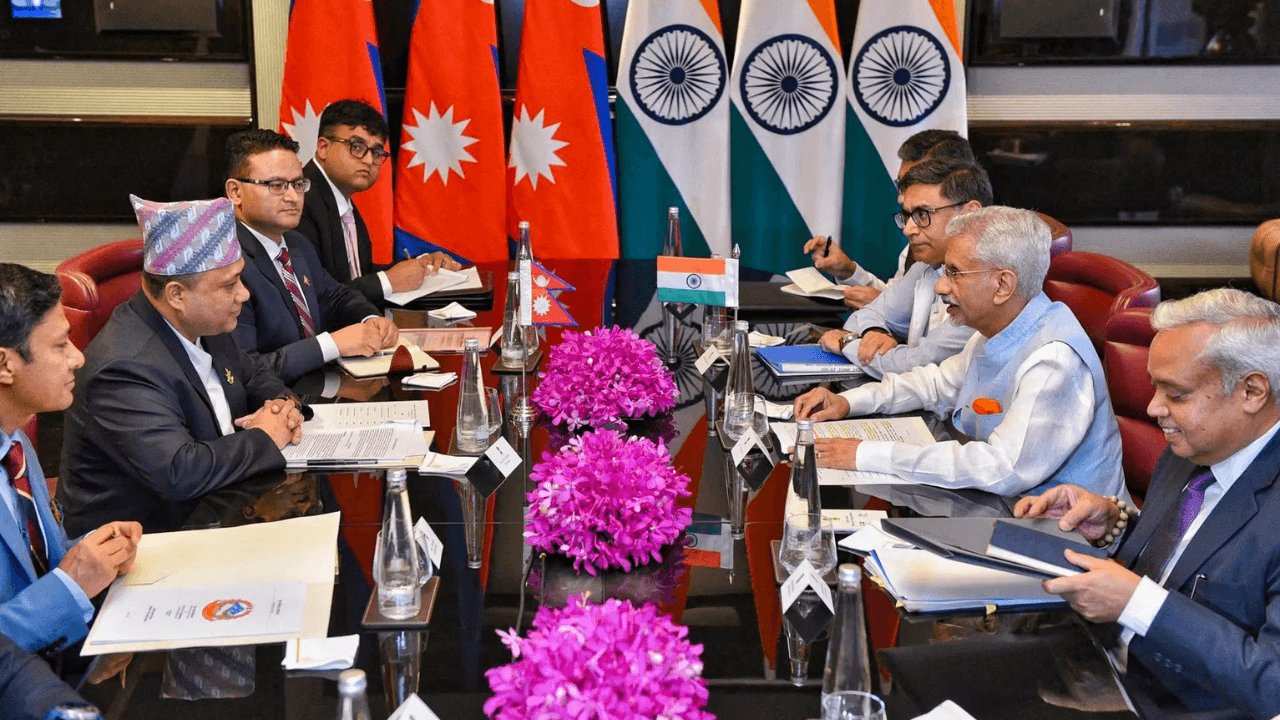
As New Delhi and Kathmandu seek to move beyond historical friction, both nations are prioritizing a modern, development-focused partnership to unlock the full potential of their shared civilisational bond.
External Affairs Minister S. Jaishankar and his Nepalese counterpart, Shisir Khanal, have signaled a strategic pivot in bilateral engagement, aiming to move past historical grievances to foster a more pragmatic, results-driven alliance. During high-level talks held in New Delhi, Jaishankar emphasized that the very special relationship shared by the two nations is anchored in deep-rooted cultural, religious, and people-to-people connections, providing a robust foundation to decisively shift the trajectory of their cooperation.
Moving Beyond 'Old Baggage'
The visit, which marks Foreign Minister Khanal’s three-day diplomatic mission to India, has been characterized by a notable shift in rhetoric from Kathmandu. Khanal explicitly stated that the new leadership in his country carries "no old baggage," focusing instead on a forward-looking agenda centered on good governance and economic transformation. By describing the two countries as stakeholders of a proud, ancient civilization, Khanal underscored that Nepal views its neighbor as its most important partner, signaling a readiness to transition from traditional diplomacy to a modern, development-oriented framework.
Anchored in Shared Trust
The dialogue highlighted how the relationship has remained resilient even during periods of global volatility. Jaishankar noted that both countries have a long history of standing by one another during times of crisis. As an example, he pointed to India’s consistent support in ensuring the uninterrupted supply of fuel and fertilizers, a critical lifeline for Nepal during the ongoing instability in West Asia. These logistical assurances, said the External Affairs Minister, are a testament to the mutual trust and goodwill that define current bilateral engagements.
A Broadened Development Agenda
Beyond traditional diplomatic concerns, the ties between the two nations are expanding into modern sectors. The discussions in New Delhi covered a comprehensive spectrum of cooperation, including advancements in digital technology, energy infrastructure, hydropower development, and capacity building. Both sides are now looking to capitalize on these sectors to ensure that their proximity translates into tangible economic benefits. Khanal reaffirmed that his government’s priority is result-driven diplomacy, saying that this new era of partnership will be defined by concrete progress in infrastructure and regional connectivity.
Why This Matters
For years, the India-Nepal dynamic has occasionally been hampered by political sensitivities and historical friction. By publicly committing to a "decisive shift," both governments are attempting to depoliticize essential development projects and streamline energy and trade corridors. This pragmatic approach, if sustained, could accelerate regional integration in South Asia, moving the focus away from diplomatic posturing and toward the shared goals of economic modernization and energy security for both populations.
The PoliticalPedia Editorial Desk brings verified, sourced political news and analysis from across India.