A Midnight Standoff Ends: BJP Sweeps MP Rajya Sabha Seats as Congress Moves to Courts
Meenakshi Natarajan row ends in BJP’s 3-0 Rajya Sabha sweep in MP amid Congress protest
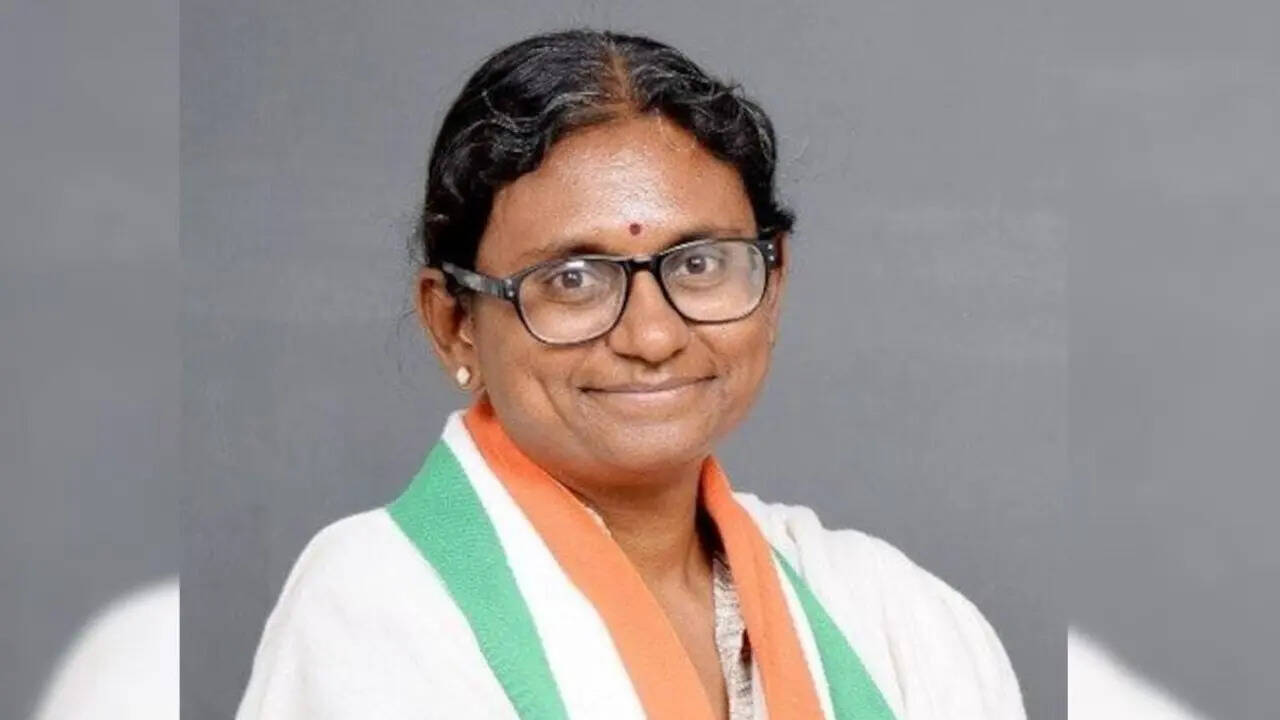
The disqualification of Meenakshi Natarajan’s nomination clears the path for an uncontested BJP victory, deepening the rift between the opposition and constitutional bodies in Madhya Pradesh.
Bhopal’s political temperature hit a boiling point this week, culminating in a scene that felt more like a courtroom thriller than a routine Rajya Sabha election. As the 3 pm withdrawal deadline ticked by on Thursday, the returning officer confirmed that the BJP’s three candidates—Tarun Chugh, Rajneesh Agarwal, and Mahesh Kewat—had been elected unopposed. For the BJP, it is a clean 3-0 sweep. For the Congress, it is a bitter setback that has left their leadership questioning the very machinery of the electoral process.
The controversy hinged entirely on the nomination of Congress veteran Meenakshi Natarajan. Her candidacy was scuttled during the scrutiny phase due to allegations that she had concealed details regarding a past legal case in Telangana. While the BJP celebrated with sweets and handshakes at the assembly premises, Congress leaders were busy filing frantic pleas before the Election Commission of India (ECI) and the Supreme Court. The top court has agreed to hear the matter on Friday, but for now, the technical disqualification stands, rendering the contest a one-sided affair.
From Numbers Game to Street Protests
The path to this outcome was anything but quiet. The friction began the moment the BJP fielded Mahesh Kewat as a surprise third candidate. On paper, the numbers didn’t necessarily favor a third BJP win, prompting the Congress to panic. Fearing poaching and cross-voting, party leaders even discussed moving their MLAs out of the state to keep their flock together.
Instead of a floor test, the battle shifted to the election office. Over the last three days, Bhopal witnessed a surreal spectacle: MLAs lying on the asphalt in protest, senior leaders conducting overnight sit-ins, and party workers hanging an RSS uniform on the locked gates of the election office. Leader of Opposition Umang Singhar was vocal in his frustration, pointedly questioning the ECI’s silence and the perceived pressure on constitutional institutions.
Why It Matters
This episode reveals a recurring pattern in Indian state politics where the "numbers game" is increasingly being replaced by legal warfare. When a political party lacks the raw legislative strength to secure a win, the focus shifts to the scrutiny of nominations and technical disqualifications.
The bigger picture here is the erosion of trust in the institutional intermediaries of our democracy. When opposition leaders feel compelled to stage sit-ins and accuse election authorities of political bias, it signals a deeper breakdown in parliamentary decorum. Regardless of the legal outcome at the Supreme Court, this episode has already left a mark on the state’s political culture, hardening the stance between the BJP and the Congress and setting a combative tone for future legislative sessions.
Arjun Mehta reports on government, policy and Parliament for PoliticalPedia, in English and Hindi.