A Global Seat at the Table: Why Vivek Aggarwal’s FATF Appointment is a Major Win for India
'Major win for India': Vivek Aggarwal elected as FATF vice president
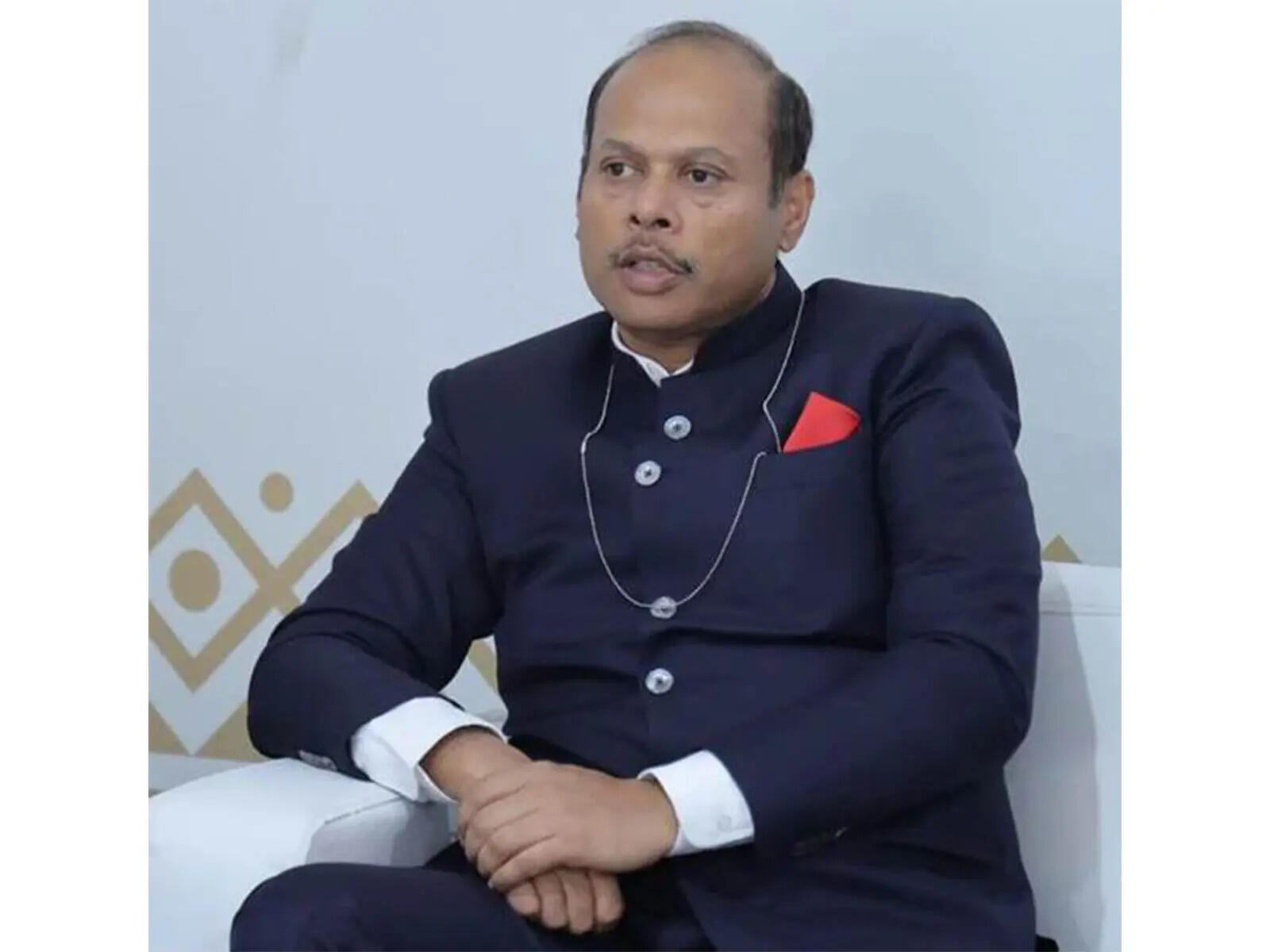
In a historic first, senior IAS officer Vivek Aggarwal has been elected vice president of the global anti-terror financing watchdog, marking a significant shift in India’s diplomatic influence.
The corridors of power in New Delhi are buzzing today, and for good reason. For the first time, India has secured a vice-presidency at the Financial Action Task Force (FATF), the Paris-based global watchdog that dictates the rules on money laundering and terror financing. The man tasked with this role is Vivek Aggarwal, a 1994-batch Madhya Pradesh cadre IAS officer whose career has been defined by a deep focus on financial integrity.
The Ministry of External Affairs confirmed the news via a post on X, with spokesperson Randhir Jaiswal framing it as a "major win for India." Given that the FATF’s mandates are critical for countries looking to keep their financial systems clean and out of the crosshairs of global grey-listing, having a senior Indian bureaucrat in such a pivotal position is no small feat. It’s a clear signal that India’s voice on global security is no longer just being heard—it’s now helping to shape the policy.
The Man Behind the Mandate
Aggarwal is not new to this beat. Before his current stint as Secretary in the Ministry of Culture, he served as the head of India’s FATF delegation and led the Financial Intelligence Unit-India (FIU-IND). His resume is a long list of high-stakes assignments, spanning three decades across agriculture, urban development, and finance.
This background is crucial. The FATF is currently grappling with the challenges of digital payments and virtual assets—tech-heavy sectors where illicit money often hides. By appointing someone who has already spent years dismantling complex financial networks, India is betting on a candidate who brings technical grit to the table, rather than just diplomatic rhetoric.
Why it Matters: The Bigger Picture
This appointment reflects a shift in India’s international posture. For years, India has pushed for a zero-tolerance policy against terrorism, often highlighting how financial lifelines keep extremist networks alive. By securing this role, New Delhi is moving from a participant in global standards to a gatekeeper.
It also serves as a stamp of credibility. The FATF involves over 200 jurisdictions, and earning the trust of such a diverse, often fractious group suggests that India’s own domestic reforms in financial transparency have gained international respect. This isn’t just a bureaucratic promotion; it is an elevation of India’s influence in setting the global agenda on everything from cryptocurrency regulations to cross-border terror funding.
Ultimately, Aggarwal’s tenure will be watched closely. As he steps into the vice president’s chair, the focus will be on how India leverages this position to further its long-standing objective: tightening the net around global terrorist financing systems.
Priya Nair covers parties, elections and the business of power for PoliticalPedia.