A Fragile Peace: The High-Stakes Calculus Behind the US-Iran 'Historic Agreement'
US-Iran War Live Updates Today: Pezeshkian Says Iran Now Recognised As 'Powerful, Dignified' Nation
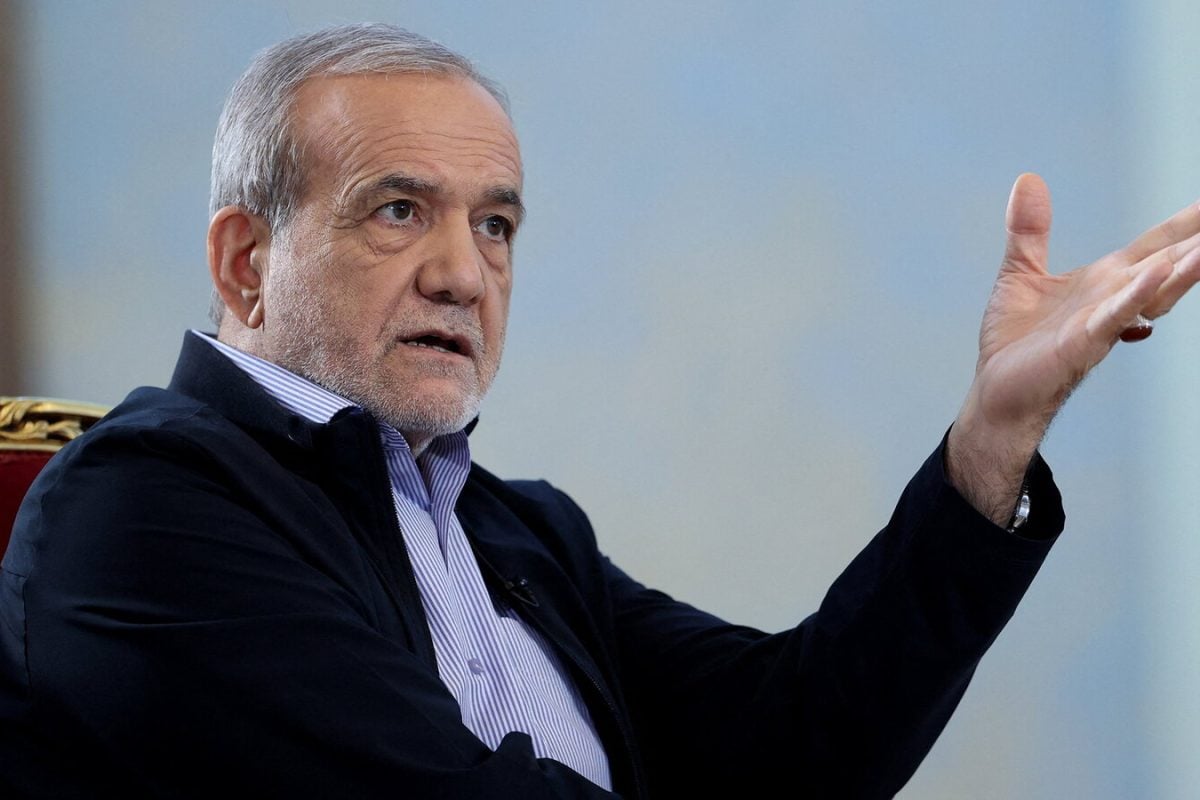
As Washington and Tehran walk the tightrope of a new peace framework, the Strait of Hormuz remains a flashpoint where international law meets regional defiance.
The geopolitical map of West Asia is shifting under the weight of a tentative, high-stakes agreement. After months of intense conflict following the February 28 strikes that claimed the life of Supreme Leader Ayatollah Ali Khamenei, President Donald Trump has declared a "historic deal" intended to end the war and secure the Strait of Hormuz. Yet, even as the ink dries on the framework, the rhetoric on the ground tells a story of deep-seated friction. Iranian President Masoud Pezeshkian has publicly framed his nation’s resilience as a triumph, asserting that Iran is now recognised as a "powerful, dignified" nation—a narrative designed to bolster domestic morale as the country grapples with record-low currency and mounting internal protests.
The Hormuz Standoff
While the White House pushes for a toll-free, open waterway to stabilize global energy markets, the reality at sea is far more cluttered. U.S. Secretary of State Marco Rubio, currently on a Gulf tour to reassure allies in the UAE and beyond, insists that existing international law prohibits any nation from levying fees on the strait. However, the Islamic Revolutionary Guard Corps (IRGC) has pushed back hard. Tehran recently warned that any transit route established without its direct coordination is "unacceptable" and poses a safety risk, vowing to enforce its own navigation corridors. This creates a dangerous overlap: the UN is currently attempting to evacuate over 11,000 sailors stranded in the region, while the U.S. and Iran remain locked in a technical dispute over who actually holds the keys to the world’s most vital oil artery.
Why it matters
The broader picture here is one of a transition from kinetic warfare to a volatile, diplomatic stalemate. For the Trump administration, the goal is clear: preventing Iran from achieving nuclear capability while securing energy transit. For Tehran, the "Islamabad MoU" and ongoing talks are being sold as a strategic victory that forced the U.S. to the table. Investors are watching these developments with trepidation; while global markets—including the Indian Sensex—are highly sensitive to the ebb and flow of Middle Eastern stability, the reality is that the "deal" is currently more of a ceasefire than a resolution. The presence of hardline voices in Tehran, such as Mohammad Ghalibaf, who continues to warn that Iran’s armed forces remain ready to respond, suggests that the path to a lasting peace is fraught with potential for sudden reversal.
A Domestic Pressure Cooker
Pezeshkian’s bravado hides a grim internal reality. Beyond the diplomatic maneuvering in Switzerland and Pakistan, the Iranian regime is facing significant unrest. With protests entering their third day and the economy suffering from severe strain, the leadership is desperate to translate this tentative deal into tangible economic relief, perhaps eyeing the release of blocked funds. However, with the U.S. Senate mounting a rare, bipartisan rebuke regarding war powers and Trump demanding strict compliance on nuclear inspections, the margin for error is razor-thin. Whether this agreement evolves into a durable architecture for regional security or collapses into another cycle of escalation will likely be determined in the coming weeks of technical negotiations.
Priya Nair covers parties, elections and the business of power for PoliticalPedia.