A Fragile Diplomatic Opening: US and Iran Edge Toward Electronic Peace Deal
US, Iran Likely To 'Electronically' Sign Peace Deal Today; Hormuz Reopening, Nuclear Talks In Focus
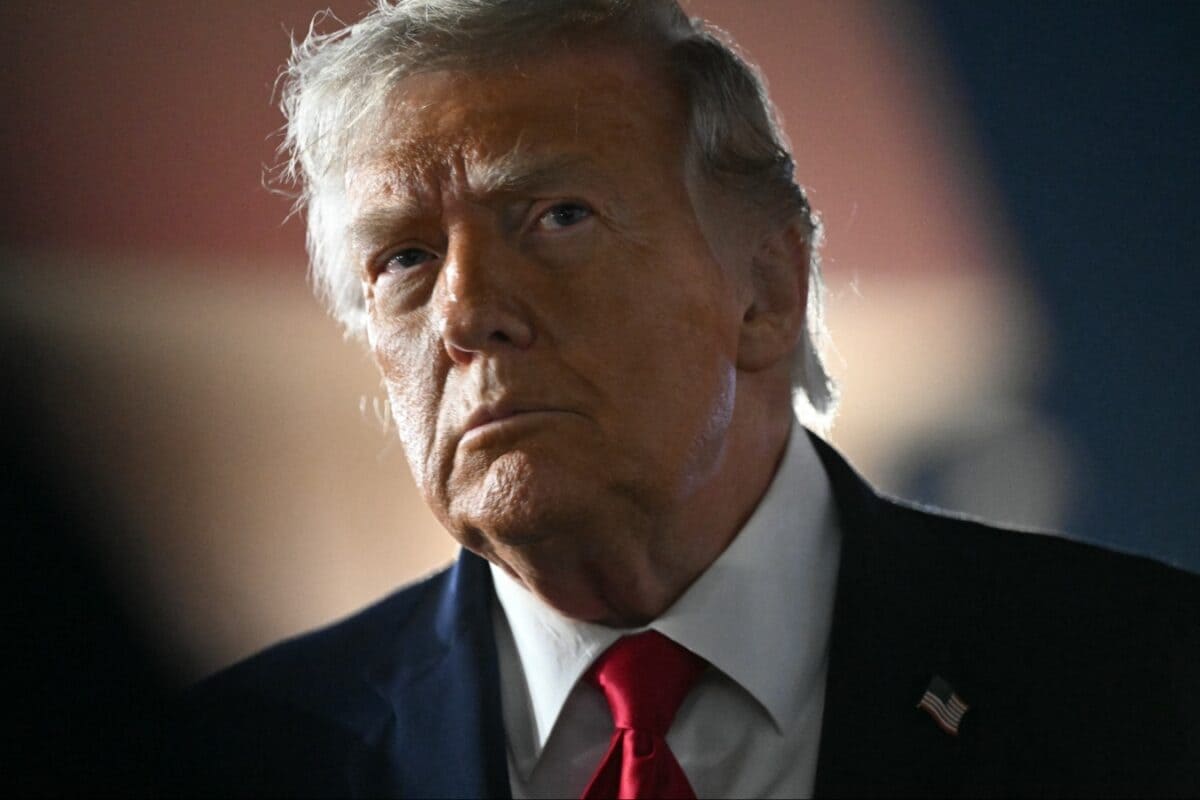
As mediation efforts hit a fever pitch, the prospect of a virtual signing ceremony offers a glimmer of hope for de-escalation in the Gulf.
The diplomatic corridor between Washington and Tehran is rarely quiet, but this weekend, the noise has shifted from the rumble of regional conflict to the frantic tapping of keyboards. Officials in Islamabad and Washington are signalling that the world may witness an unprecedented "electronic" signing of a peace deal today, aimed at formalising the ceasefire that has precariously held since early April. While Donald Trump has been vocal about the imminent nature of this breakthrough, the reality on the ground remains a patchwork of cautious optimism and Tehran’s persistent insistence that the timeline is not yet set in stone.
The Negotiated Roadmap
The proposed memorandum of understanding, which has been the subject of three months of intensive shuttle diplomacy involving Pakistan, Qatar, Egypt, and Turkey, is designed to be more than just a piece of paper. If successfully signed, the deal is set to extend the current ceasefire by 60 days, ensuring a vital breathing room for a region exhausted by recent months of hostilities.
Beyond the immediate cessation of violence, the deal has two critical components that make it a high-stakes affair: the immediate reopening of the Strait of Hormuz—a global economic artery—and the launch of a new, structured framework for nuclear talks. For the markets, which have been jittery over the past few weeks, this move is being viewed as a necessary circuit breaker.
Conflicting Timelines
The friction between the players is evident in the contradictory messaging. While Prime Minister Shehbaz Sharif has publicly stated that Pakistan is bracing for a virtual signing ceremony within a 24-hour window, voices from Tehran have been notably more reticent, downplaying the claim that an agreement is ready to be inked by today. This reflects a familiar pattern in Iran-US relations, where domestic optics often clash with the pragmatism of back-channel negotiations. Reports from Washington suggest that while the text has been edited to cover sensitive areas like uranium enrichment, the final determination remains subject to last-minute diplomatic maneuvering.
Why it Matters: The Bigger Picture
For New Delhi, the stakes are not merely academic. The stability of the Strait of Hormuz is directly linked to India’s energy security and the safety of thousands of Indian seafarers navigating the region. The broader implication here is the shifting architecture of Middle Eastern mediation; the fact that Pakistan, Qatar, and other regional powers are taking the lead suggests a move toward a more multilateral approach to resolving the Iran-US standoff.
However, the "electronic" nature of this potential deal underscores the deep-seated mistrust that persists. A virtual signing is a pragmatic compromise, allowing both sides to bypass the diplomatic protocols of an in-person summit while still achieving the strategic objective of de-escalation. Whether this will lead to a lasting peace or merely a temporary tactical retreat remains the primary question for global observers. For now, the world watches to see if the ink—digital or otherwise—actually hits the page.
Arjun Mehta reports on government, policy and Parliament for PoliticalPedia, in English and Hindi.