The 24-Hour Clock: Is a US-Iran Peace Deal Finally Within Reach?
US-Iran War Highlights: "Finalisation Likely Expected In The Next 24 Hours", Pak PM On US-Iran Deal
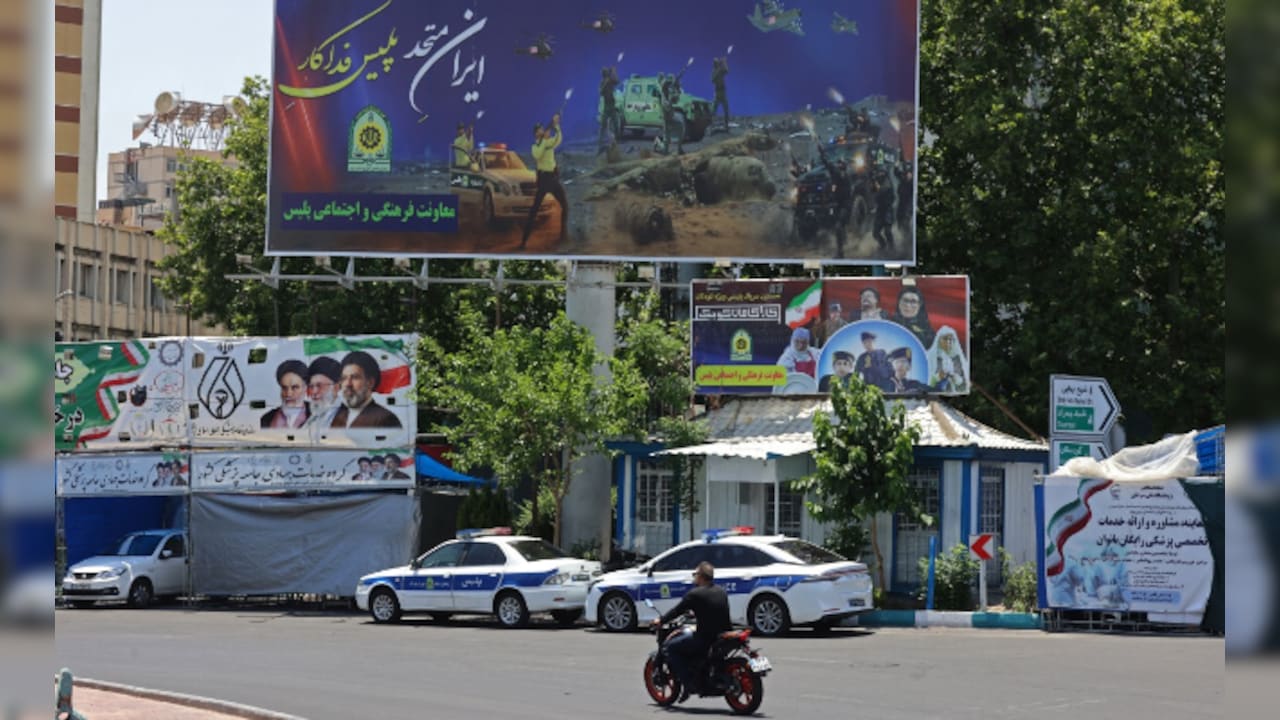
As Islamabad positions itself as the key mediator, conflicting signals from Washington and Tehran cast doubt on whether the long-awaited ceasefire is truly hours away.
The diplomatic corridor between Washington and Tehran feels more like a minefield than a negotiation table this week. After months of stuttering progress and intermittent fire, the air is thick with talk of a historic breakthrough. Pakistan’s leadership is projecting supreme confidence, with Prime Minister Shehbaz Sharif suggesting that the finalisation likely expected in the next 24 hours could mark the end of the current US-Iran war. Yet, for anyone following this saga, the promise of a "signed deal" feels like déjà vu.
The Mediator’s Optimism vs. The Reality on the Ground
Pakistan has emerged as the central broker in these delicate talks, banking on the "Islamabad Memorandum of Understanding" to de-escalate tensions that have choked global shipping lanes. Foreign Minister Abbas Araghchi’s recent social media activity signaled a rare moment of alignment, with Tehran echoing the sentiment that a resolution has never been closer.
However, the narrative isn't uniform. While the Pakistani establishment speaks of an imminent electronic signing, Iranian state media has been quick to push back, offering a version of the terms that clashes sharply with Washington’s account. President Donald Trump, for his part, has oscillated between declaring the US-Iran deal all but done and accusing Iranian negotiators of bargaining in bad faith.
A Pattern of Broken Promises
This isn't the first time we’ve been told the ink is dry. Since the April truce, the Iran war highlights have been defined by a cycle of threats followed by promises of peace. Trump has repeatedly claimed a deal was imminent, only for the talks to drag on behind closed doors. The discord between what is being broadcasted by mediators and what is being reported from Tehran suggests that the technicalities of the deal—specifically regarding the Strait of Hormuz and the verification of terms—remain significant hurdles.
Why it matters
The stakes of this US-Iran standoff extend far beyond the Middle East. For India, the volatility in the Strait of Hormuz is a direct threat to energy security and trade logistics. A genuine peace agreement would provide much-needed stability to global oil prices and ease the pressure on shipping routes that are critical to our own economy.
However, the bigger picture remains murky. If this deal is signed in the next few hours, it will be a monumental win for Pakistani diplomacy. If it stalls again, it confirms that the gap between American expectations and Iranian red lines is wider than any mediator can currently bridge. The world is watching the clock, but for now, the path to a lasting ceasefire remains as fragile as the trust between the two capitals.
Ananya Iyer covers global affairs with an Indian lens for PoliticalPedia.