A final, desperate plea: The silent tragedy outside the UN headquarters
Tibetan protester sets himself on fire outside UN headquarters in New York City
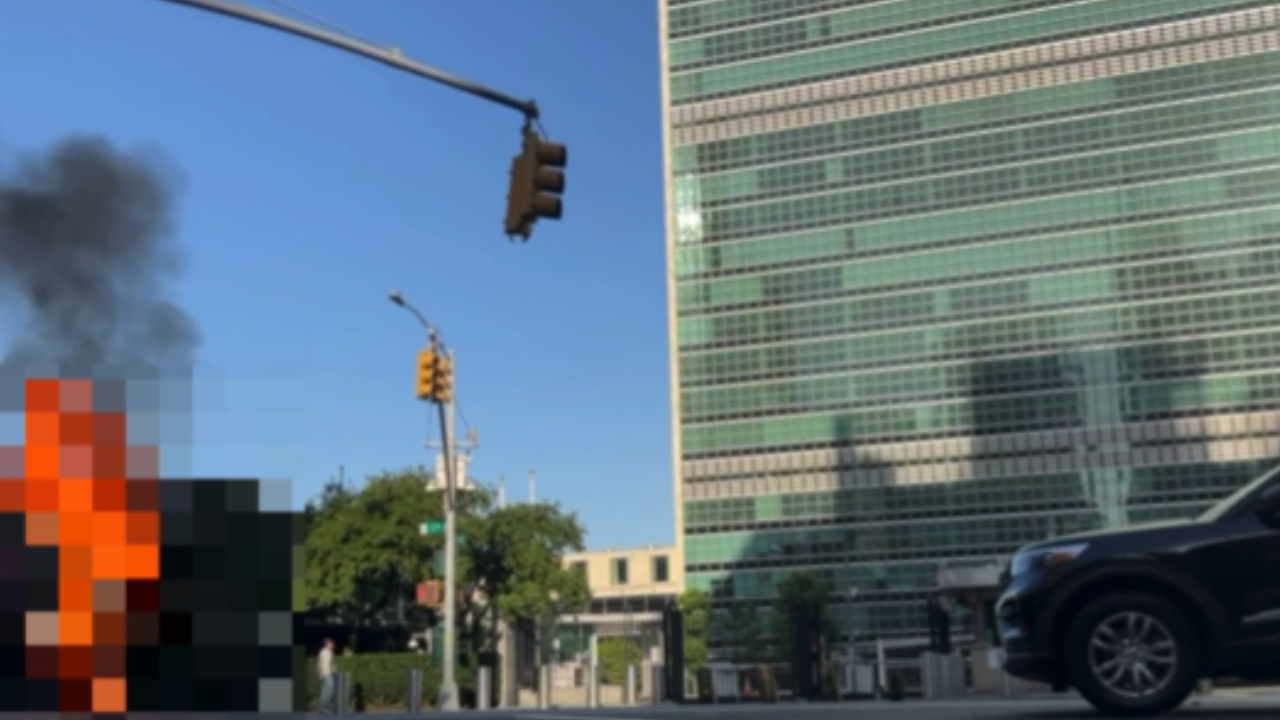
A man’s fatal act of protest in New York City brings the long-standing struggle for Tibet back into the global spotlight.
The evening rush hour in New York City is usually a symphony of honking cabs and hurried pedestrians, but on Thursday, the noise turned into a backdrop for a harrowing act of political despair. Near East 43rd Street and First Avenue, just outside the United Nations headquarters, a man identified by friends as Lobga Rangzen draped himself in a Tibetan flag before setting himself on fire. For those passing by, the scene unfolded in less than a minute—a chilling reminder of a geopolitical conflict that remains thousands of miles away from American streets but clearly weighs heavily on the diaspora.
The moment of impact
Surveillance footage captures the stark reality of the incident: Rangzen, dressed in traditional monastic robes, positioned the flag on the sidewalk before igniting the flames. While traffic continued to move along the busy Manhattan thoroughfare—with some drivers sounding their horns in confusion or alarm—police and security personnel reached him within 15 seconds to extinguish the blaze. Despite their swift intervention and his transport to Bellevue Hospital, officials later confirmed he had passed away.
For an hour after the incident, the area remained cordoned off. Amidst the police tape, a solitary Tibetan flag lay on the ground, accompanied by leaflets bearing the slogan "China Out of Tibet." It was a visceral, visual manifestation of the "Free Tibet" movement, which has spent decades calling for the restoration of self-determination and the return of the Dalai Lama to his homeland.
The bigger picture: A pattern of protest
This tragedy is not an isolated event, but part of a grim, recurring cycle. According to the advocacy group Free Tibet, more than 150 Tibetans have resorted to self-immolation since 2009 to register their protest against Chinese rule. Whether it is a demand for the release of the Panchen Lama or a wider plea for fundamental human rights, these individuals often choose this extreme method to draw global eyes toward what they view as an occupation. Coming just a day after China reportedly enforced new ethnic unity laws, the timing of this protest in New York suggests a deepening sense of urgency and frustration within the Tibetan community.
Why it matters
The incident at the UN headquarters serves as a jarring wake-up call to the international community. When a protest reaches the doorstep of the world’s most prominent diplomatic institution, it signals a profound breakdown in communication between the governed and the governing. The act forces us to look past the routine of international diplomacy and confront the raw, human cost of unresolved territorial and cultural disputes. While world leaders grapple with trade agreements and policy frameworks, the desperation of individuals like Rangzen highlights the reality that for many, these abstract political issues are matters of identity, survival, and faith that cannot be silenced by laws or borders.
Kabir Sharma writes on culture, technology and everyday life for PoliticalPedia.