Why the world’s best-selling spirit isn’t whisky or vodka, but Soju
Soju is the world’s bestselling alcohol, and it’s not just because of K-pop
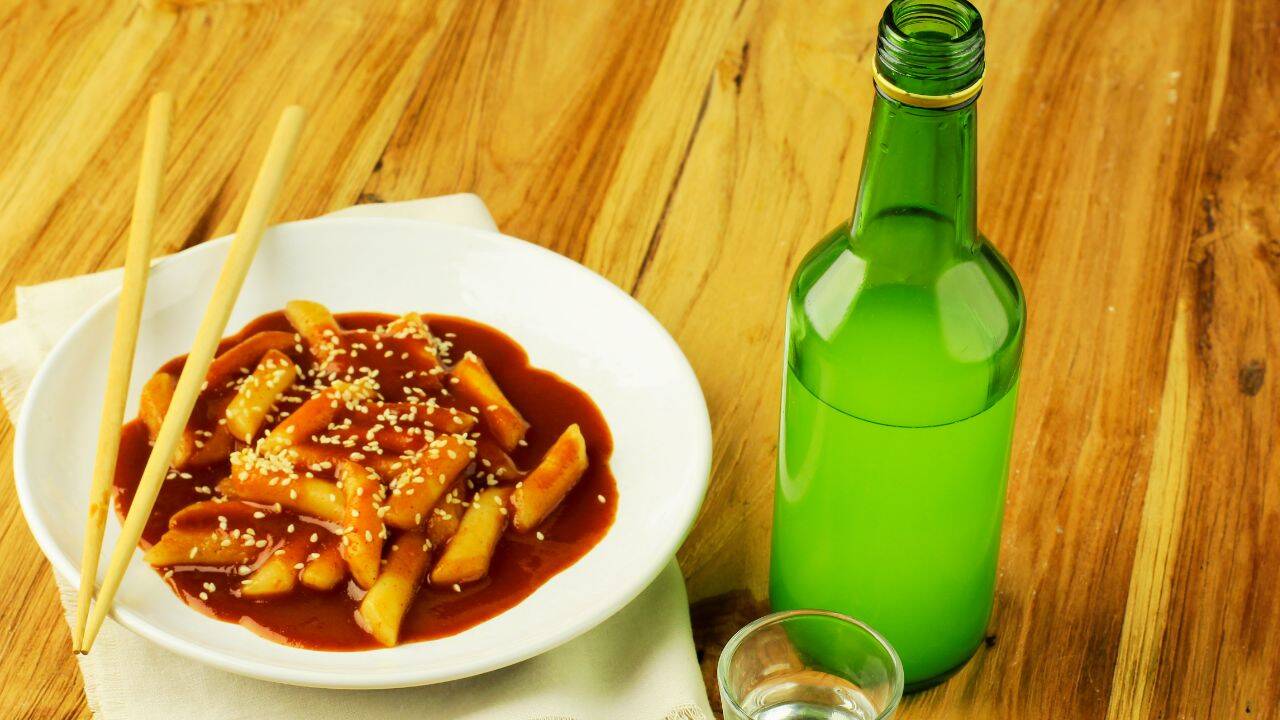
Forget the top-shelf labels you know; a clear, versatile Korean drink has quietly dominated global sales for over two decades.
If you step into an upscale bar in Bandra or a bustling eatery in Gurugram, you might notice a shift. Alongside the familiar G&Ts and single malts, small green bottles are increasingly sharing table space with everything from spicy wings to Korean barbecue. This is soju, and if you haven’t tried it yet, you’re behind on the world’s most popular drink. For 24 consecutive years, Jinro soju has claimed the title of the world’s best-selling spirit brand by volume, consistently outperforming global heavyweights like vodka and whisky.
More than just a K-drama trope
While it’s easy to credit the global explosion of K-pop and K-dramas for this rise, the reality is more grounded. Soju isn’t just a prop in an emotional scene; it is a meticulously crafted, highly versatile spirit. Originally brewed from rice, the drink evolved during periods of grain scarcity, with producers pivoting to sweet potatoes, tapioca, and barley. This adaptability is part of its DNA. Today’s commercial versions are clean, slightly sweet, and sit comfortably between 12 and 25 percent alcohol by volume—a "Goldilocks" zone that makes it stronger than beer but far more approachable than a harsh spirit.
A cultural connector
The appeal of soju is as much about the ritual as it is about the liquid. In South Korean culture, the act of drinking is deeply social. There are unspoken rules: you never pour your own glass, and when drinking with elders, a younger person turns their head away as a sign of respect. This emphasis on togetherness has translated surprisingly well to international markets. Because the taste is mild, it pairs effortlessly with a wide range of global cuisines, making it a staple at social gatherings where the focus is on the company rather than the intensity of the alcohol.
The flavor revolution
For those who find traditional spirits too sharp, the recent surge in fruit-flavoured varieties—peach, green grape, plum, and strawberry—has been a game changer. This innovation has helped the brand capture a new generation of younger consumers who might otherwise bypass the spirits aisle. It’s an easy-going, smooth experience that doesn't demand the complex palate required for aged brown spirits, allowing it to move from a niche regional export to a global consumer favorite.
The bigger picture
Why does this matter? The dominance of soju marks a shift in global drinking habits. We are moving away from the "prestige" drinking culture—where status was defined by the price of a whisky bottle—toward a preference for accessibility and flavor-forward, social experiences. The success of this brand suggests that the most effective way to capture the global market isn't through exclusivity, but through versatility. As the brand continues to expand its footprint in the U.S. and India, it proves that when a product is affordable, easy-drinking, and culturally resonant, it can quietly outpace even the most established giants in the spirits industry.
Kabir Sharma writes on culture, technology and everyday life for PoliticalPedia.