Why Iran is wearing #168 badges: The geopolitical tension clouding their FIFA World Cup journey
Why Iran footballers were wearing #168 badges during travel to FIFA World Cup
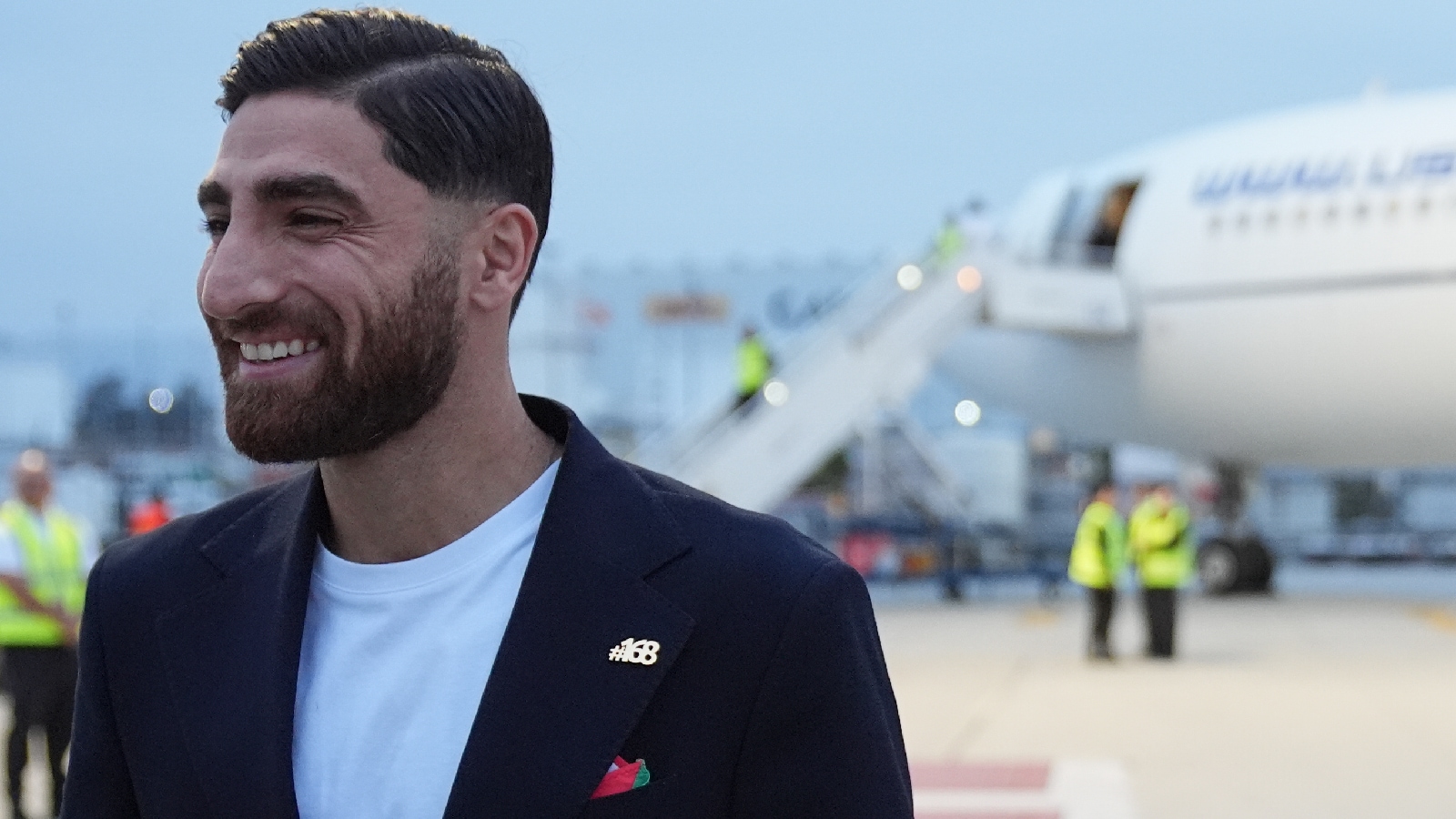
The Iranian football team’s arrival in Mexico with symbolic lapel pins has turned a pre-tournament routine into a diplomatic flashpoint as they prepare for their upcoming matches in the United States.
The Iran football team’s arrival in Tijuana, Mexico, this past weekend was marked by more than just the usual travel fatigue. As the players disembarked, observers noted small, gold-colored lapel badges pinned to their jackets, each bearing the number "#168." The pins are a direct, emotive reference to the 168 schoolchildren killed in a missile strike on the Shajareh Tayyebeh Elementary School in Minab on February 28—the opening day of the ongoing conflict between Iran and the U.S.
A pattern of protest
This is not an isolated gesture from the squad. The team has consistently used its global platform to highlight the tragedy in Minab. During a series of friendly matches in March, players famously held up school bags during the playing of the national anthem and displayed images of damaged heritage sites and civilian casualties. By naming their current World Cup convoy "Minab 168," the Iranian football federation has made it clear that the team’s presence at the tournament is inextricably linked to their national narrative surrounding the war.
The logistical backdrop for this year’s tournament is equally fraught. While the Iran team is scheduled to play all three of their group-stage games in the U.S.—facing New Zealand, Belgium, and Egypt—their preparation has been anything but smooth. Visa processing delays have hit the squad hard, with several analysts, team executives, and media personnel denied entry due to alleged links to the Revolutionary Guard. This has forced the team to base their operations in Mexico, shuttling across the border for their matches.
The FIFA grey area
FIFA regulations are famously rigid regarding political displays, explicitly banning slogans, statements, or images on equipment that carry political or personal weight. However, the governing body finds itself in a precarious position. Because the badges were worn by players in transit rather than on the pitch during an official match, they occupy a functional "grey area."
While FIFA has remained silent on potential sanctions, the precedent for enforcement is tricky. If the badges appear on the sidelines or on coaching staff during the technical proceedings of a match, the risk of disciplinary action increases significantly. For now, the world governing body appears to be watching closely, mindful that any heavy-handed intervention could turn a sporting event into a deeper diplomatic crisis.
Why it matters
The "168" pins serve as a constant reminder that the FIFA World Cup is never played in a vacuum. For the Iranian side, the tournament is not merely about football; it is a high-stakes stage for national grievance and international visibility. With the U.S. and Iran technically still in a state of conflict, the presence of the team on American soil is a delicate exercise in optics. The incident underscores how sports diplomacy is increasingly becoming a lightning rod for broader global tensions, forcing players to navigate the thin line between personal expression and tournament neutrality. As the opening whistle approaches, the badge has become the most visible indicator that the political climate will be as much of a factor as the match tactics.
World Desk at PoliticalPedia covers global affairs for an Indian audience in English and Hindi.