Why Apple TV’s ‘Widow’s Bay’ is the Horror-Comedy Masterclass We Need
Widow’s Bay review: Apple TV’s cursed island show is a blessing in this horror season
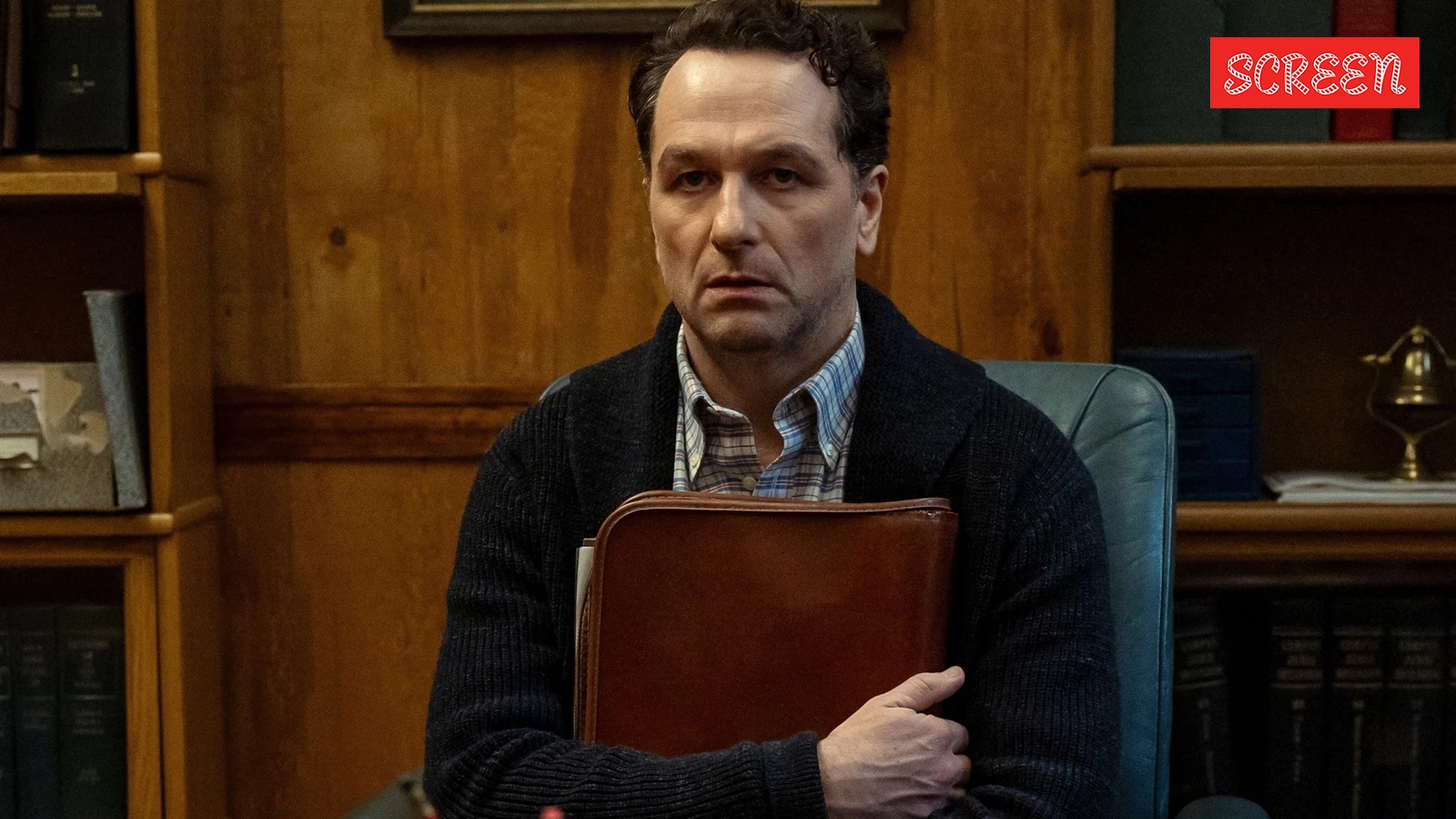
As the genre finds a comfortable home on streaming, this cursed island tale proves that blending local folklore with sharp, situational wit is an art form.
For those of us back home in India, the term "horror-comedy" has become synonymous with the Maddock Universe—a series of films that, while ambitious in trying to blend local folklore with humour, often leaves viewers wanting. The scares rarely land with any real teeth, and the comedy often feels forced. That is precisely why the arrival of Widow’s Bay on Apple TV feels like such a jarring, welcome departure. It isn’t just another spooky story; it is a masterclass in tone.
Set on the eponymous island, the show introduces us to Tom Loftis, played by a weary, grounded Mathew Rhys. As the mayor of this picturesque but deeply cursed town, Loftis is caught in a Sisyphean struggle: trying to market his home as a premier vacation spot while navigating a reality where cannibalism, centuries-old ghosts, and ominous, swallowing fogs are just part of the local scenery.
A Town Built on Trauma
Think of the island as the dark, twisted cousin of Gilmore Girls’ Stars Hollow. The residents are undeniably quirky, but their humour is forged in the fires of generational trauma. The horror elements here are refreshingly inventive—from a masked clown haunting a local inn to an undead man who has roamed the streets for over 300 years. The sea itself acts as a barrier, impossible to cross for anyone born on the island, turning the town into a literal and metaphorical prison.
What makes Widow’s Bay work is how it handles its cast. While the mysteries unfold with the addictive, slow-burn complexity of Lost, the characters behave as if they’ve walked straight out of a workplace mockumentary like The Office. Loftis is the quintessential bureaucrat, a man desperately clinging to logic while a shapeshifting ghost sits on the face of his potential victim in the background. It is this dissonance—the mundane clashing with the macabre—that creates the show's unique rhythm.
Why It Matters: The Genre’s Evolution
The success of this series, which has already been renewed for a second season, signals a shift in how global audiences are consuming horror. We are moving away from jump-scares and toward "atmospheric dread" mixed with character-driven wit. For Indian creators, there is a clear lesson here: folklore shouldn't be a crutch for weak writing. When you ground your supernatural elements in a world where the human interactions feel as real and flawed as those in any workplace drama, the horror becomes much more potent.
The show succeeds because it treats its curse with total sincerity, never winking at the camera even when the situation is absurd. As the finale arrived on June 17, it left fans clamouring for more, proving that in a crowded streaming landscape, a well-executed, genre-bending narrative is the ultimate commodity.
Ananya Iyer covers global affairs with an Indian lens for PoliticalPedia.