When the World Froze: How a Vintage Test Card Glitch United Fans During the SCO vs Haiti Clash
How a testcard on TV (remember colour bands?) united world during SCO vs Haiti
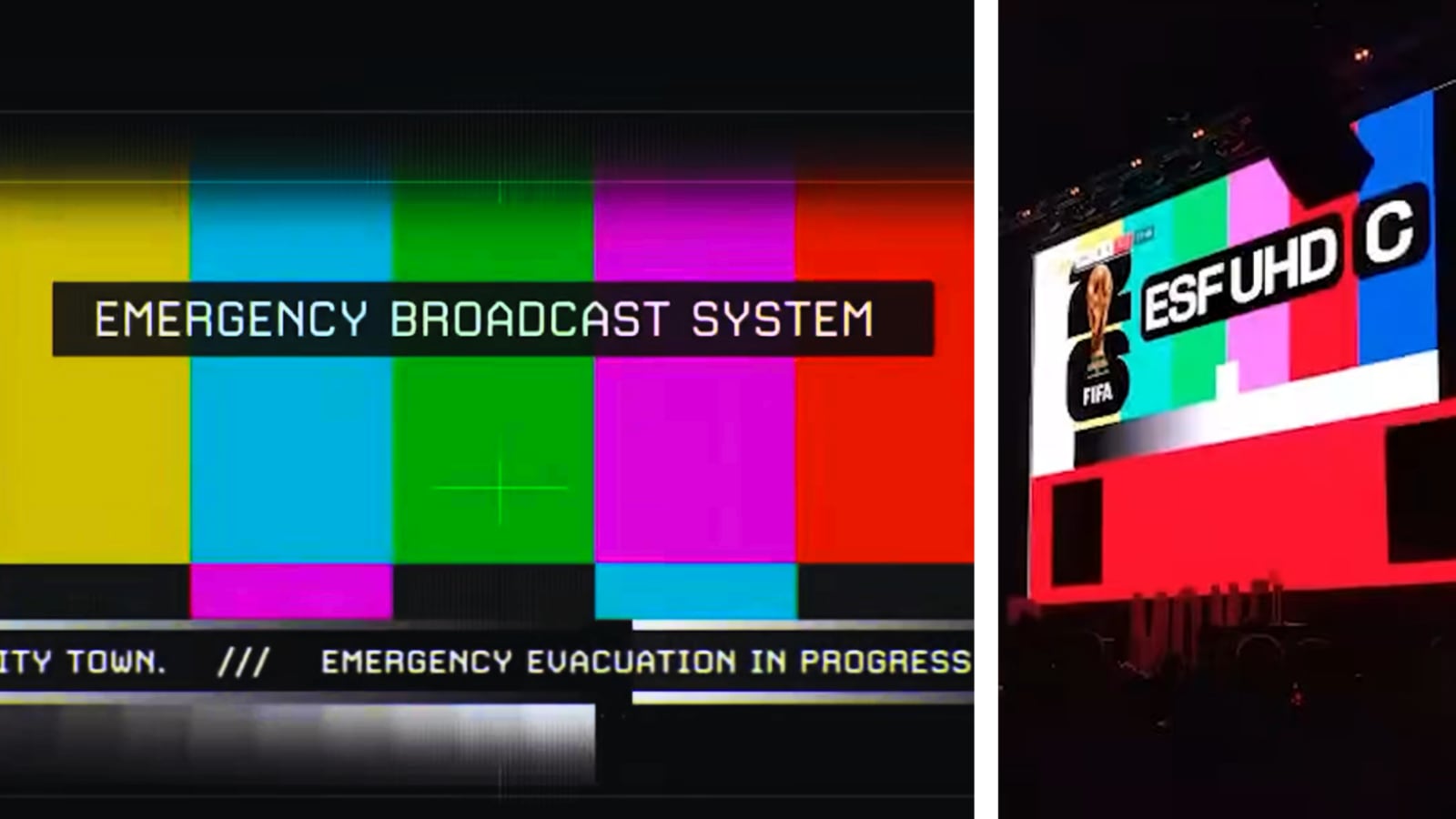
A five-second technical glitch during the Scotland-Haiti football match triggered a global wave of nostalgia as digital screens reverted to the iconic color bands of the analogue era.
The minute was 37:43. Scotland was holding a 1-0 lead against a spirited Haiti side, and for a fleeting moment, the high-definition digital broadcast that dominates our living rooms simply vanished. In its place appeared a relic from a bygone broadcasting age: the classic color test card. For five seconds, viewers from Argentina to Australia, and across the Indian diaspora—who remember the thick yellow, cyan, green, pink, red, and blue bars of Doordarshan days—were yanked out of the 2026 FIFA atmosphere and dropped straight into the 1990s.
The interruption, accompanied by an eerie "pong" sound and an "ESF UHD C" error message, turned into a global collective experience. While the BBC eventually apologized for the "World Feed" problem originating from Boston, the momentary blackout highlighted just how fragile our modern, hyper-connected viewing experience remains. Whether watching on DAZN in Spain or via local feeds in Portugal and Norway, fans were united by the sudden, jarring return of a technology designed for calibration, not entertainment.
A Technical Blast from the Past
The test card, or color pattern, is a foundational piece of television history. Historically, these patterns were actual physical cards placed in front of cameras to help engineers calibrate color decoding and signal strength. By the 1970s and 80s, electronic signal generators replaced these physical setups, allowing engineers to troubleshoot downstream paths with precision. Seeing those bars pop up on a modern 4K stream wasn't just a technical glitch; it was a ghost in the machine reminding us of the days when television signal alignment was an art form, not an automated background process.
Why It Matters: The Bigger Picture
This incident serves as a quiet reminder of the centralization of global sports media. We now rely on a singular "World Feed" to consume live events, creating a scenario where a single point of failure in a Boston control room can instantly darken screens across half the globe. While the panic among some viewers—fearing an amber alert or some larger emergency—was short-lived, it exposes our dependency on complex, opaque delivery chains. When the digital facade cracks, the industry falls back on the same universal diagnostic patterns used decades ago, bridging the gap between the era of cable television and our current era of streaming.
As fans on Reddit noted, there is a strange, shared comfort in the chaos. The fact that millions of people were staring at the exact same colorful bars, separated by oceans but connected by a single technical error, proved that even in the age of personalized streams, the "global village" of television is still very much intact. The Scotland-Haiti game may have been defined by the match on the pitch, but it will be remembered by the five seconds where the entire world watched the same test card together.
Rohan Gupta covers the economy, markets and companies for PoliticalPedia.