When the Mountains Move: The Cost of Arunachal’s Latest Cloudburst
Arunachal Pradesh Weather Alert: Cloudburst Triggers Massive Landslide, Residential Area Buried Under Debris
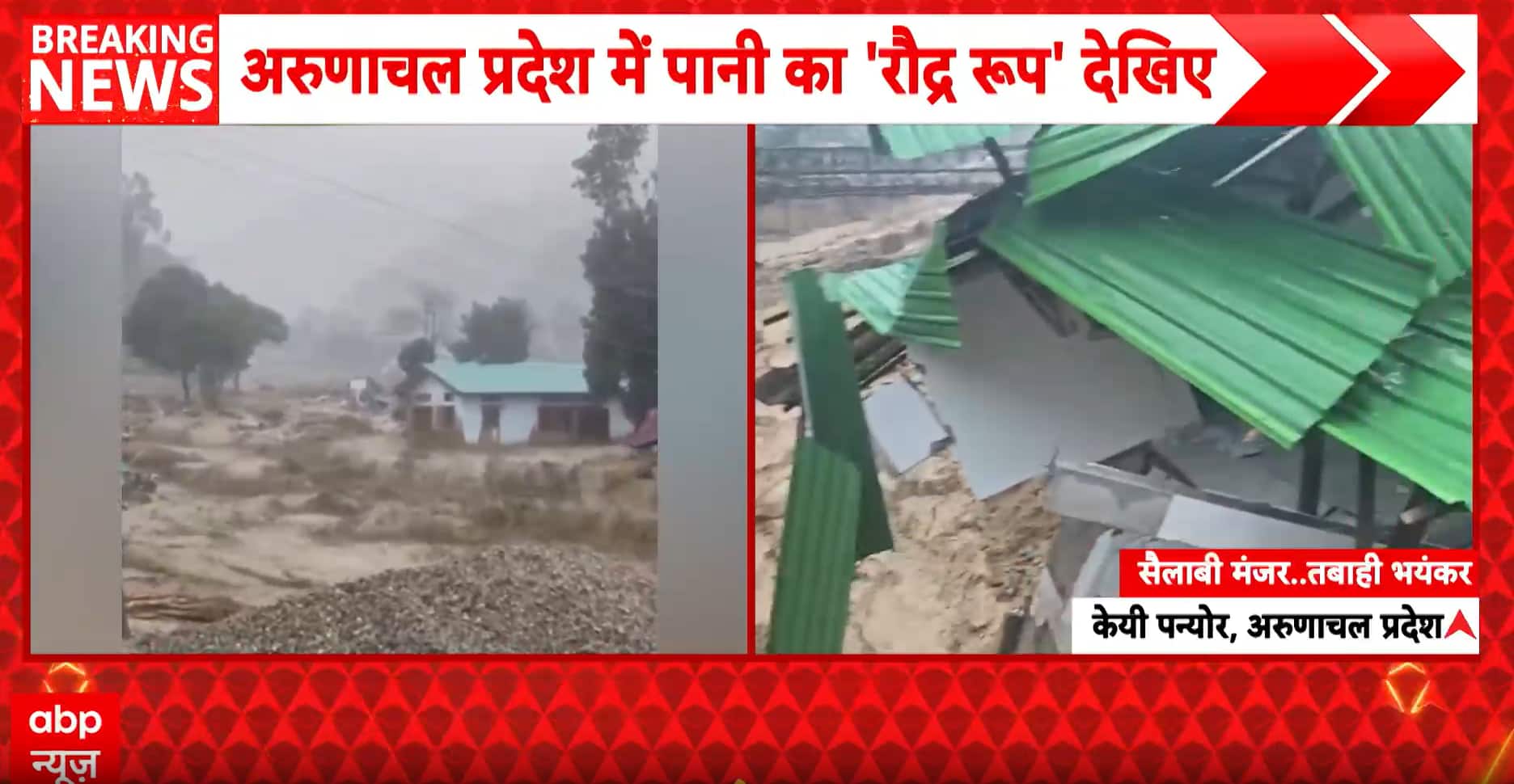
A residential pocket in Keyi Panyor lies under sludge as intense, erratic weather patterns force a brutal reckoning for the Northeast.
The sound is what survivors describe first—a low, guttural roar that signals the mountains are losing their grip. In Keyi Panyor, Arunachal Pradesh, that sound preceded a wall of mud and rock that tore through a residential area, burying homes under thick layers of debris. Days of relentless monsoon rain had already saturated the hillsides, turning the earth into a fragile slurry. When the cloudburst finally struck, it didn't just bring rain; it brought a landscape-altering landslide that swept away the boundary between solid ground and disaster.
Visuals surfacing from the site show a terrifying geography of collapse. Entire sections of slope simply gave way, sending massive volumes of sediment cascading into the valleys below. As the debris-laden torrent surged through the locality, structures were engulfed in minutes. While emergency response teams have scrambled to reach the site, the official toll remains fluid. Local administration officials are still conducting a ground-level assessment, and until the heavy machinery clears the path, the true scale of the tragedy—including the number of missing persons—remains a grim unknown.
The Bigger Picture: A Growing Pattern
This Arunachal Pradesh weather alert is far from an isolated glitch in the monsoon cycle. Across the Indian Himalayan region, from Jammu & Kashmir to the Northeast, we are witnessing an alarming trend of these extreme events. Analysis from the South Asia Network on Dams, Rivers and People has long pointed to a lack of robust monitoring and mitigation strategies. As the climate shifts, the pre-monsoon and monsoon windows are becoming increasingly volatile, turning once-stable hill slopes into high-risk zones.
The science behind this is unsettlingly simple: prolonged saturation weakens the geological integrity of our hills. When a cloudburst—a concentrated, intense burst of precipitation—hits these already compromised slopes, the result is almost inevitably a massive landslide. What we are seeing in Keyi Panyor is the physical manifestation of a region pushed to its tipping point. While the government monitors the immediate crisis, the long-term question remains: how do we adapt our infrastructure and urban planning to a landscape that is fundamentally becoming less stable?
Safety in a Changing Climate
The frequency of these incidents, echoed by similar reports of destruction in Himachal Pradesh and J&K, suggests that residents in mountainous terrain must now live with a heightened state of alertness. Disaster management experts often emphasize that while we cannot stop a cloudburst, the reaction time is the only variable we control. In Keyi Panyor, eyewitnesses were seen shouting warnings to neighbours as the disaster unfolded, a frantic but necessary act of community defense.
Moving forward, the focus must shift from reactive rescue operations to proactive, science-backed risk mapping. Data from organizations like the South Asia Network on Dams, Rivers and People underscores that better early warning systems and stricter adherence to construction safety norms in fragile zones are not just policy jargon—they are survival tools. For now, the people of Arunachal are focused on the grit and sorrow of the rescue, but the season is far from over, and the hills remain restless.
Kabir Sharma writes on culture, technology and everyday life for PoliticalPedia.