West Bengal Joins the Push: Ranjana Prakash Desai to Lead State’s UCC Drafting Panel
Ex-SC judge Ranjana Prakash Desai to lead UCC drafting panel in West Bengal: CM Suvendu
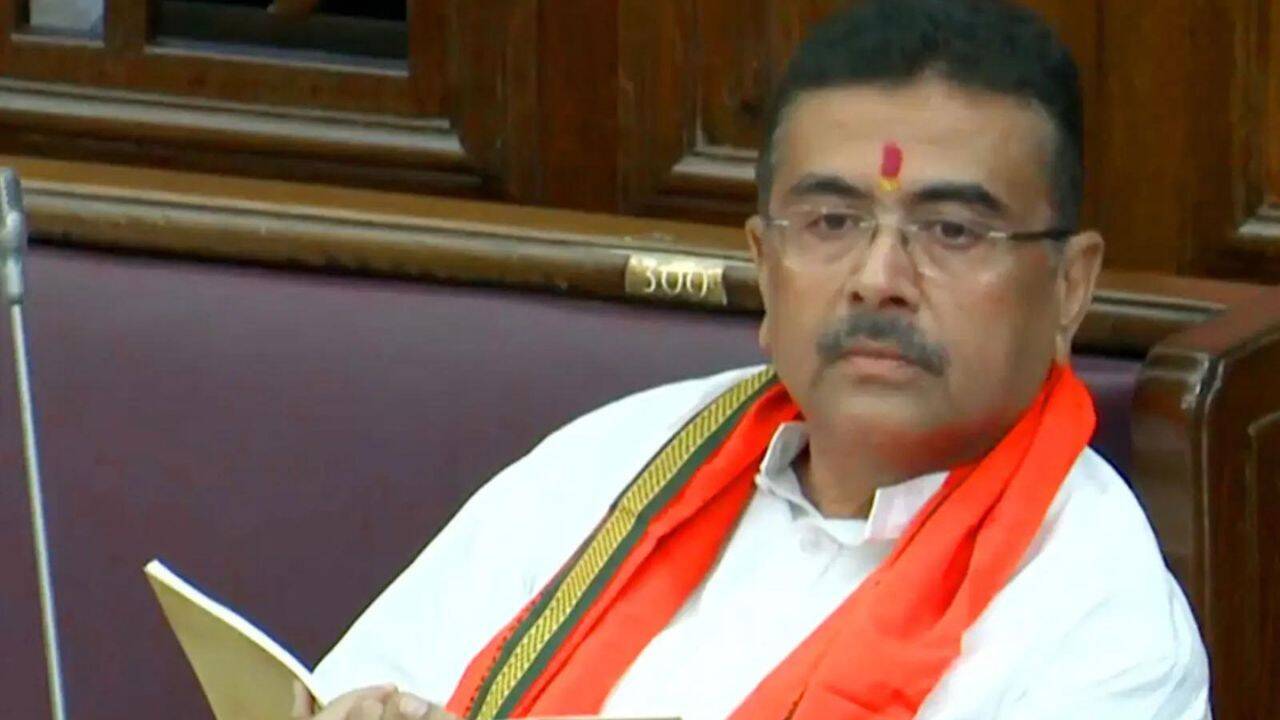
CM Suvendu Adhikari announces a high-level committee to frame a common civil code, signalling a legislative shift in the state.
The political landscape in West Bengal is bracing for a significant shift as the state government, led by Chief Minister Suvendu Adhikari, moves to initiate the drafting of a Uniform Civil Code (UCC). In a major development on Monday, the administration announced that former Supreme Court judge Ranjana Prakash Desai will head the panel tasked with framing the proposed legislation. This move positions West Bengal as the latest state to join an accelerating national push to establish a unified legal framework for marriage, divorce, inheritance, and adoption across religious lines.
The Legislative Timeline
The administration is moving with notable speed. CM Suvendu has confirmed that the draft UCC bill is slated for presentation before the state cabinet as early as July 2. Following that internal review, the government intends to table the bill in the state assembly. The objective, according to official statements, is to replace diverse personal laws with a single, streamlined civil code that applies to all citizens, regardless of their faith.
Navigating Tribal Sensitivities
While the proposal is moving forward, the government is already addressing potential friction points. State BJP chief Samik Bhattacharya has moved to clarify the scope of the legislation, explicitly stating that constitutionally protected tribal communities will remain outside the ambit of the new code. This assurance reflects the broader challenge of implementing a UCC in a country where diverse cultural and religious customs are deeply ingrained and often legally distinct.
Why it matters
The appointment of Justice Ranjana Prakash Desai—a jurist with extensive experience in navigating the intersection of law and social policy—lends an air of institutional gravity to the initiative. West Bengal’s decision to pursue this path is part of a larger, coordinated trend, with states like Rajasthan also recently constituting their own committees to draft similar legislation. For the BJP, this represents the fulfillment of a long-standing ideological commitment. For the country, it highlights a deepening debate over the balance between national legal uniformity and the preservation of regional and religious diversity. As the bill heads to the cabinet and subsequently the assembly, the coming weeks will likely see intense scrutiny over how the state intends to reconcile these competing interests while maintaining constitutional safeguards.
Arjun Mehta reports on government, policy and Parliament for PoliticalPedia, in English and Hindi.