Vietnamese Giant VinGroup Hits Delhi Roads with Electric Taxi Service
Vietnamese conglomerate VinGroup launches taxi service in Delhi
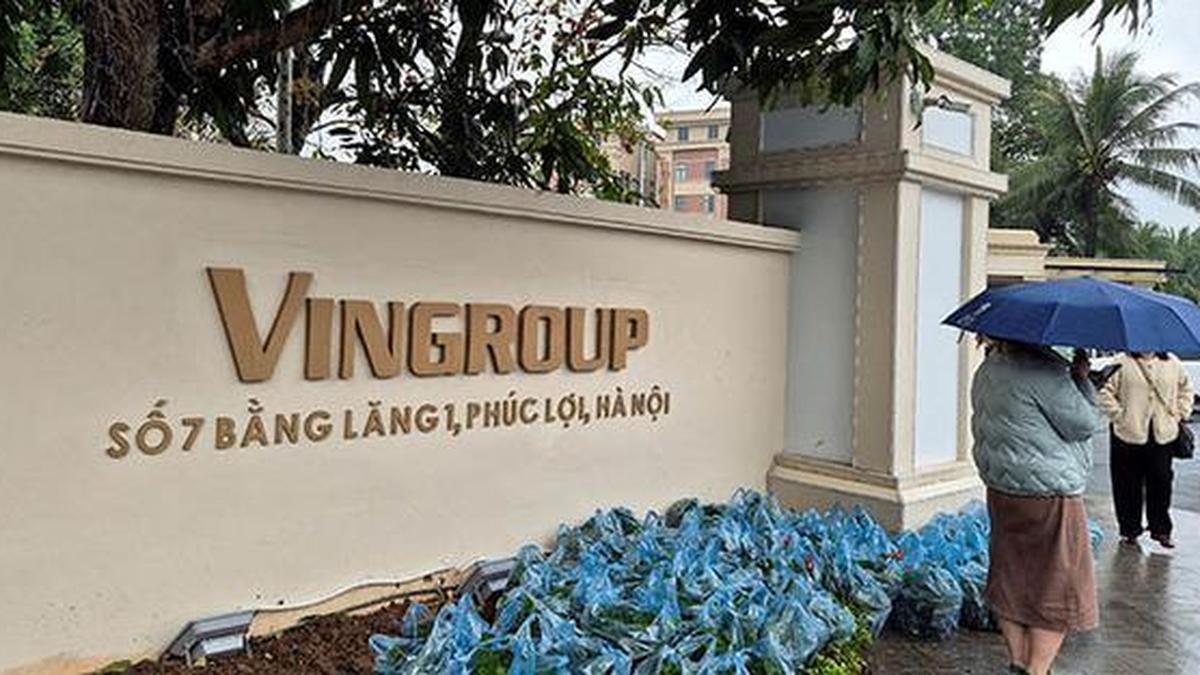
The entry of the GSM electric fleet marks a significant shift in India’s ride-hailing landscape as the Vietnamese conglomerate accelerates its regional expansion.
Delhi’s bustling streets have a new silent entrant. VinGroup, the Vietnamese conglomerate, has officially launched its electric taxi service in the national capital region today, June 5, 2026. Operating under the banner of Green SM (GSM), the service aims to disrupt the existing ride-hailing market by deploying a fleet of VinFast-manufactured electric vehicles. This move follows a period of anticipation, with the brand actively scouting for creative and media partnerships to anchor its Indian debut.
The deployment focuses on sustainability, with the company introducing its VinFast Limo Green MPVs to the city’s commute ecosystem. While the taxi service is the immediate highlight, it forms only one part of a broader, aggressive push into India. VinGroup’s strategy is multi-pronged, anchored by a significant $2 billion manufacturing investment in Tamil Nadu, with reports suggesting the company is already eyeing expansion into states like Andhra Pradesh and Telangana to build a robust EV supply chain.
Strategic Market Positioning
For the Indian commuter, the arrival of GSM represents a pivot toward greener transit options. By integrating its own VinFast manufactured cars into a proprietary taxi service, VinGroup is attempting to emulate the successful vertically integrated model it pioneered in Vietnam. Industry analysts suggest that this "from noodles to EVs" journey—reflecting the conglomerate's diverse business history—is a high-stakes bet on the Indian consumer’s increasing appetite for premium, eco-friendly mobility.
The timing of this launch aligns with broader shifts in urban transport policy. With Delhi aiming to integrate over 4,000 electric buses into its public transit grid by the end of the year, the private sector is clearly keen to capture the demand for electric, zero-emission personal transport. By focusing on the Delhi market first, GSM is positioning itself to compete directly with established ride-hailing giants, leveraging the electric nature of its fleet as a key differentiator.
Future Outlook and Integration
While the current focus remains on the Green taxi operations, the company’s long-term success will likely depend on how it scales its charging infrastructure and manages the complexities of the Indian regulatory landscape. Observers are also watching whether VinGroup will mirror other regional trends, such as the partnerships seen in Southeast Asia where platforms like Gojek have integrated electric motorbike delivery services to diversify revenue streams.
For those tracking the intersection of technology and transport, the launch is more than just a new app on the play store. It is a tangible sign of the deepening economic ties between India and Vietnam. As the company refines its subscription models and service offerings, commuters can expect a distinct, albeit competitive, shift in how they navigate the capital’s daily traffic.
The PoliticalPedia Editorial Desk brings verified, sourced political news and analysis from across India.