Vidit Gujrathi Exclusive: Why the Chess-Esports Crossover is a Defining Moment for India
Vidit Gujrathi Exclusive: 'India is a chess powerhouse but still far from...'
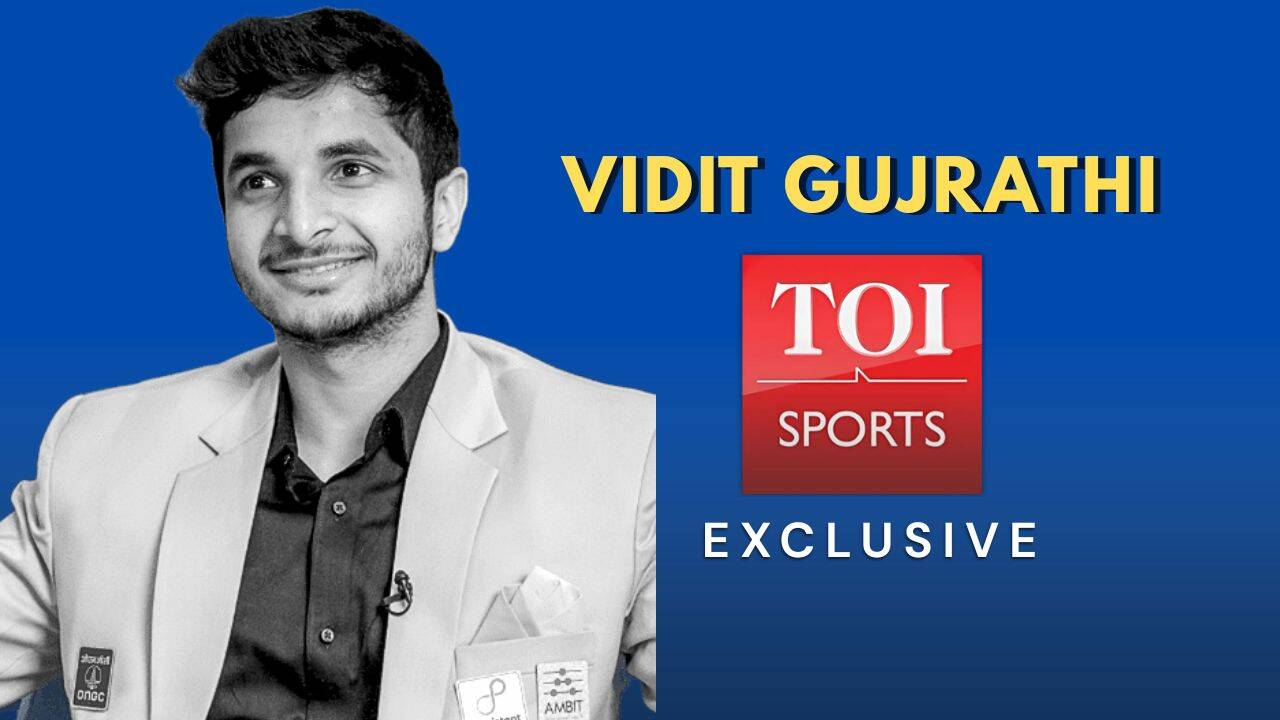
As Grandmaster Vidit Gujrathi prepares for a high-stakes Mumbai showdown to secure his spot at the Esports World Cup, the lines between traditional strategy and digital gaming continue to blur.
The clock is ticking, but not in the way a traditionalist might expect. In the high-pressure environment of the "India Rising: Road to EWC" qualifiers, the standard safety net of time increments has been stripped away. For Vidit Gujrathi, a seasoned Grandmaster accustomed to the measured pace of elite classical chess, this transition to a 10-minute, zero-increment format represents a fundamental shift in how the game is played. As he gears up for a blockbuster final in Mumbai against the Netherlands' Benjamin Bok, the stakes are not just about a trophy; they are about securing a golden ticket to the Esports World Cup (EWC) 2026 in Paris.
Vidit’s journey to the final has been methodical, navigating a gauntlet that saw him move past M. Pranesh and Raunak Sadhwani. Across the bracket, the competition has been equally fierce. Benjamin Bok, the Dutchman standing between Vidit and the Paris stage, pulled off the tournament's most stunning upset by knocking out India’s own top-ranked Arjun Erigaisi. With Aravindh Chithambaram, Nihal Sarin, and Erigaisi already having secured their EWC berths, the Mumbai LAN Finals serve as a critical crucible for the sport's integration into the digital arena.
A New Frontier for Indian Chess
The convergence of chess and esports is no longer a fringe curiosity; it is a reality that India is uniquely positioned to lead. Vidit notes that while India is undoubtedly a global chess powerhouse—a fact underscored by recent performances on the international stage—the infrastructure to support an esports-first culture is still finding its feet. The decision to host the qualifiers in Mumbai was a deliberate choice to bring the action closer to the fans, allowing players like Vidit to compete in front of friends and family.
"This format is very different from traditional chess," Vidit shared in our vidit gujrathi exclusive conversation. The absence of time increments means that even a completely winning position can vanish in seconds if the clock runs dry. It requires a modern, razor-sharp brand of aggression that differs vastly from the tournament play he has mastered over the years. This isn't just about moving pieces; it’s about managing chaos under the harsh glare of an esports spotlight.
Why it matters
The rise of dedicated pathways to the EWC marks a pivot in how sports governance views the intersection of intellectual games and digital entertainment. By formalizing these routes, organizations are acknowledging that the gaming community and the chess elite occupy the same space. For India, this provides a dual benefit: it keeps the country at the forefront of the global chess conversation while simultaneously pushing local players to adapt to the high-velocity, high-stakes demands of modern esports. The success of these qualifiers suggests that if India can bridge the gap between its traditional chess pedigree and the burgeoning digital infrastructure, it could solidify its status as a destination for global esports events.
The Road Ahead
As the india chess circuit watches the mumbai showdown unfold, the result will be a bellwether for the sport’s future. Whether it is Vidit Gujrathi or Benjamin Bok who clinches the spot, the tournament has already demonstrated that the thirst for competitive, fast-paced chess is at an all-time high. With the EWC 2026 looming, the pressure to perform in these qualifying events is immense, turning every move into a test of nerves as much as intellect.
Arjun Mehta reports on government, policy and Parliament for PoliticalPedia, in English and Hindi.