US Supreme Court Deals Blow to Trump’s Bid to End Birthright Citizenship
In Major Setback, US Supreme Court Deals Blow To Trump's Birthright Citizenship Order
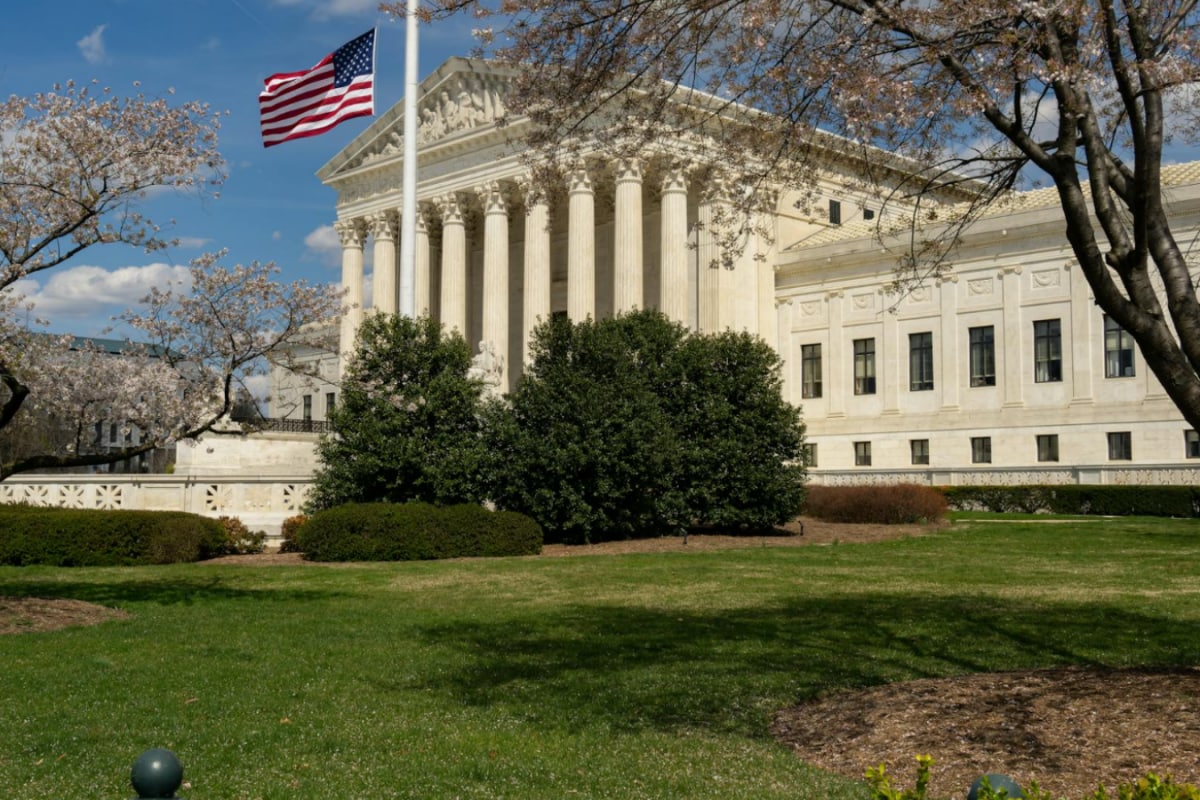
In a decisive 6-3 ruling, the highest court in the United States has upheld the 14th Amendment, effectively blocking the administration's attempt to restrict automatic citizenship for children born on American soil.
Washington’s corridors of power witnessed a defining moment this Tuesday as the Supreme Court delivered a major blow to Donald Trump’s immigration agenda. On the final day of its term, the court rejected the administration’s aggressive attempt to end birthright citizenship for children born to parents who are in the country illegally or on temporary visas. The 6-3 decision serves as a firm judicial reaffirmation of the 14th Amendment, which has long guaranteed citizenship to nearly everyone born within US borders.
The ruling is being viewed as a significant legal setback for the former president, who had made restricting birthright citizenship a centerpiece of his platform. The intensity surrounding the case was palpable as far back as April, when Trump took the extraordinary step of attending oral arguments in person—the first time a sitting US president had watched a court hearing from the gallery. Despite his public posturing and insistence that a rejection of his policy would be a "disgrace," the justices ultimately sided against his interpretation of constitutional law.
The Legal Tug-of-War
The case originated from an executive order signed by Trump that sought to bypass traditional interpretations of the Citizenship Clause. His administration argued that the Constitution’s guarantee of citizenship did not automatically apply to children of individuals without legal status. However, multiple lower federal courts had previously blocked the order, noting that it stood on shaky legal ground. By dismissing the challenge, the Supreme Court has effectively upheld the long-standing status quo, ensuring that the birthplace of a child remains the primary determinant for citizenship regardless of parental immigration status.
Why It Matters
This ruling is far more than a technical dispute; it represents a sharp check on executive authority regarding the fundamental rights of individuals. For observers, the decision highlights the internal friction within the American judicial system, as even justices appointed during the Trump era participated in the majority opinion that thwarted his administration’s goal. It underscores a pattern of legal resistance where the judiciary has acted as a bulwark against executive attempts to unilaterally alter constitutional interpretations.
For the broader US government machinery, this outcome signals that while immigration remains a fierce political battleground, the core tenets of the 14th Amendment remain firmly entrenched. The rejection of this birthright citizenship order will likely force a shift in strategy for those seeking to overhaul the American immigration system, proving that high-level executive directives cannot easily override historical constitutional protections.
Rohan Gupta covers the economy, markets and companies for PoliticalPedia.