US-India Trade Deal: Piyush Goyal Signals Next Move After Two Days Of Talks
US-India Trade Deal: Piyush Goyal Signals Next Move After Two Days Of Talks
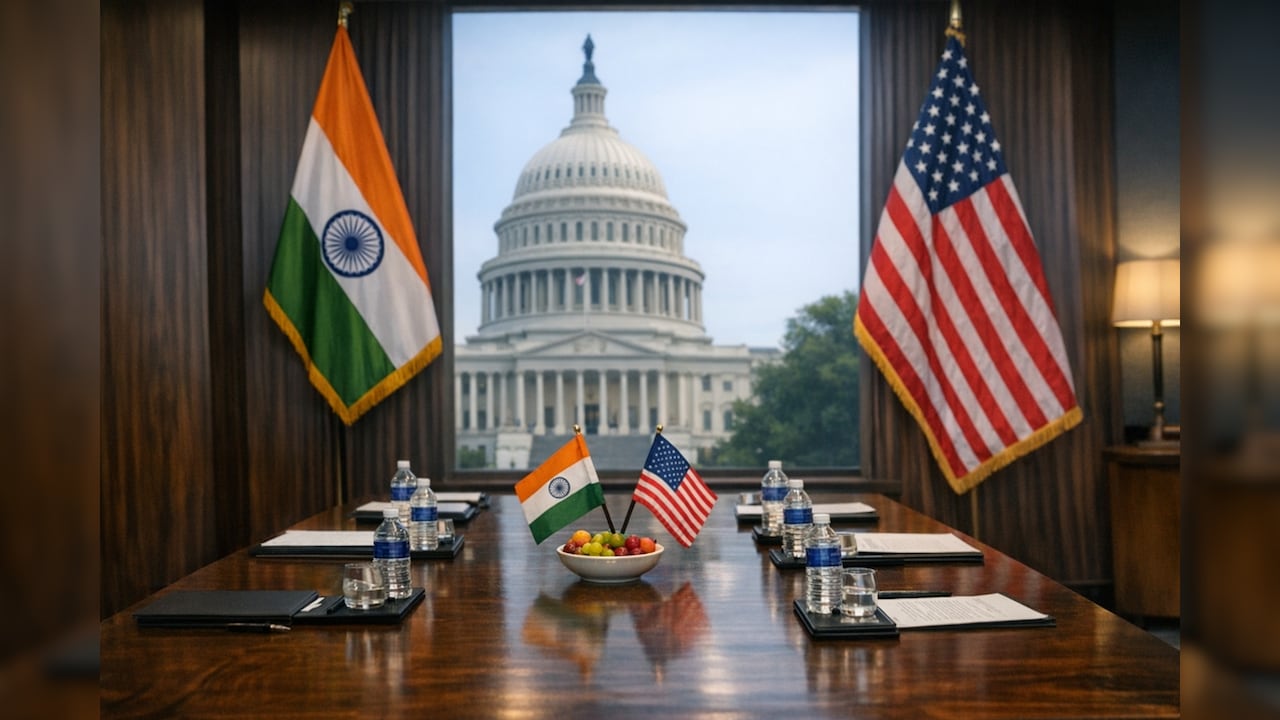
As negotiations enter the final lap, New Delhi is balancing optimism for a breakthrough with the realities of a shifting global tariff landscape.
The mood inside the Commerce Ministry this week has been one of calibrated intensity. Following two intense days of talks in the capital, Commerce Minister Piyush Goyal has provided the clearest indication yet that the long-awaited india trade deal is nearing its final form. While observers at https and major times outlets have noted the "commas and full stops" stage of drafting, the atmosphere remains one of guarded progress. Goyal, who is set to travel to the US on Monday, has framed the current negotiations not just as a transactional exchange, but as a defining moment in an era of restructured global supply chains.
The State of Play
The progression of these discussions has been anything but linear. While some reports suggest the talks are "largely complete," others, including recent coverage from BusinessLine, point to a lack of an immediate breakthrough following the latest round between the two negotiating teams. Despite the mixed signals, there is a tangible sense of urgency. With the US navigating its own internal pressures—marked by Donald Trump’s recent praise for Prime Minister Modi—India is pushing for preferential market access. Goyal maintains that the relationship remains "very robust," even as both sides acknowledge that the deal could be "rebalanced" should external economic circumstances shift.
Why it Matters: The Bigger Picture
This isn't just about tariffs on specific commodities; it is about India’s strategic pivot in a world where traditional trade alliances are fraying. The strategy here is multi-pronged: by simultaneously engaging the EU for a massive trade pact and signaling a move toward GCC nations, New Delhi is insulating its economy against protectionist shocks. The "Section 301" concerns often cited in the press are increasingly being viewed by the Ministry as a potential lever to strengthen, rather than weaken, India’s position. By standardizing trade protocols now, India aims to become the primary alternative for global manufacturers looking to diversify away from China.
The Road Ahead
The upcoming visit to the US will be the ultimate test of this diplomatic stamina. Whether the remaining friction points—primarily involving regulatory alignment and agricultural access—can be resolved by the end of the year remains the million-dollar question. As the government juggles these high-stakes international negotiations alongside domestic challenges, the focus has shifted from grand rhetoric to the granular detail of legal text. For the Indian exporter, the outcome of this trip will determine whether the next fiscal year brings a surge in competitive access or another period of waiting for the fine print to be finalised.
Arjun Mehta reports on government, policy and Parliament for PoliticalPedia, in English and Hindi.