Uncertain Skies: US Crew Rescued After Aircraft Goes Down Near Strait of Hormuz
Crew rescued after U.S. helicopter goes down near Strait Of Hormuz: report
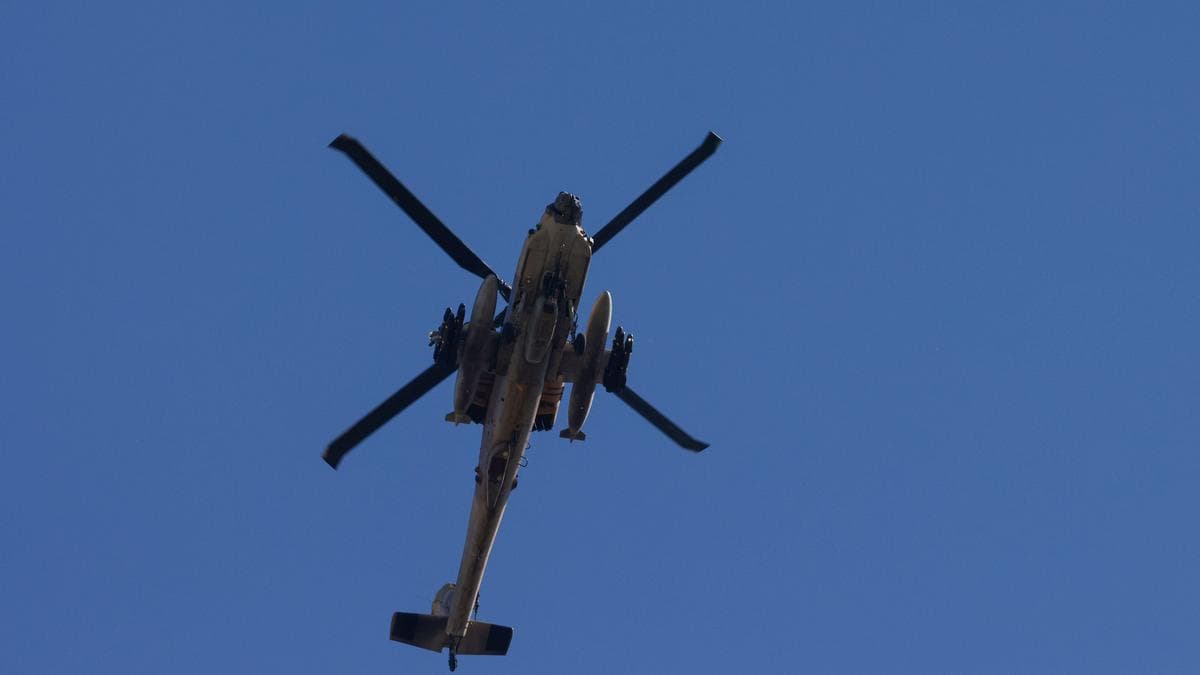
Confusion persists over the nature of the crash as conflicting reports emerge regarding the type of aircraft and the cause of the incident.
The strategic waters of the Strait of Hormuz became the theatre of a high-stakes emergency on Monday, June 8, 2026, as a United States military aircraft went down in the volatile region. While initial reports from the New York Times confirmed that an Army Apache helicopter had crashed and its two crew members were successfully rescued, a chaotic web of conflicting information has since surfaced across global media outlets.
The discrepancy in the reports is striking. While some agencies hold to the Apache gunship narrative, others—including The Guardian and the BBC—have pointed toward the downing of an F-15E fighter jet, with some outlets even suggesting an A-10 Warthog was involved. Adding to the tension, various reports have speculated that the aircraft was shot down by Iranian fire, though official confirmation remains elusive.
The Fog of Conflict
Whether the incident was triggered by mechanical failure or hostile engagement remains the primary question. The Strait of Hormuz, a narrow maritime chokepoint, is one of the most heavily monitored and sensitive regions in the world. Any military activity here is scrutinized by both Washington and Tehran, and the lack of clarity surrounding this latest incident highlights the heightened state of alert in the Persian Gulf.
Video footage circulating on social media has further muddied the waters, allegedly showing search and rescue helicopters operating over southern Iran. However, the Pentagon has yet to issue a comprehensive statement clarifying the make of the aircraft or the circumstances leading to the distress call.
Why it matters
The broader implications of this crash are significant. In a region where geopolitical tensions are perpetually near a boiling point, the loss of a US military asset—regardless of the cause—carries the risk of rapid escalation. If the aircraft was indeed brought down by Iranian fire, it marks a dangerous shift in the rules of engagement. Conversely, if it was a mechanical failure, the rescue operation itself becomes a point of diplomatic sensitivity.
For the international community, the pattern is clear: military operations in the vicinity of the Strait of Hormuz are increasingly fraught with peril. As Washington works to verify the details and secure its personnel, the global markets and diplomatic corridors will be watching closely to see if this incident acts as a catalyst for a deeper confrontation or a localized security crisis that can be contained.
National Affairs Desk at PoliticalPedia covers government & policy for an Indian audience in English and Hindi.