Two Decades of Magic: Lionel Messi Joins Cristiano Ronaldo in the 200-Cap Club
Lionel Messi joins Ronaldo in elite club; becomes 3rd player in history to...
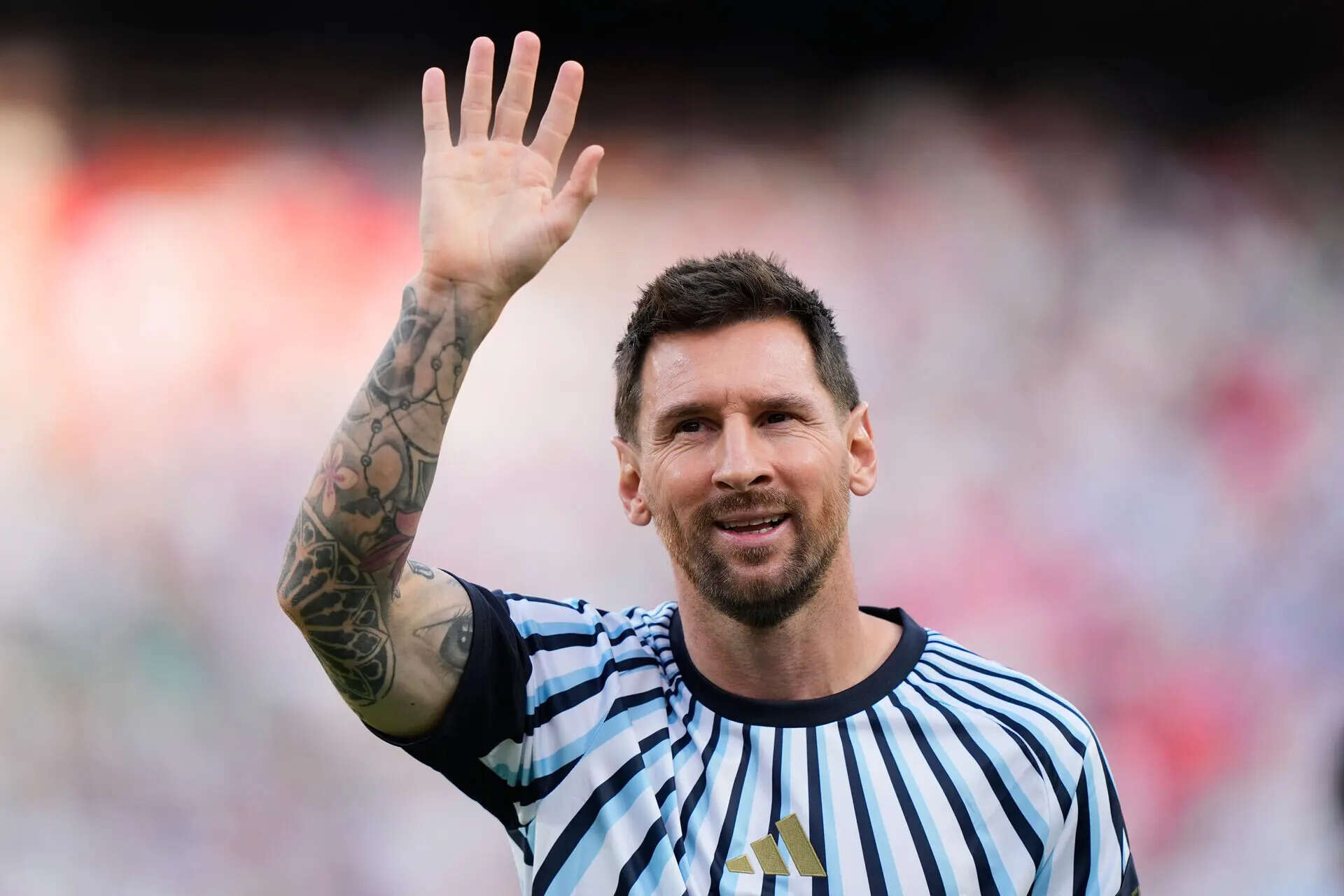
As Argentina kicks off their title defence at the 2026 FIFA World Cup, Lionel Messi marks a historic double century for his nation, cementing his place in the pantheon of global football legends.
The Kansas City Stadium air felt different this Tuesday. When Lionel Messi stepped onto the pitch for Argentina’s opening Group J clash against Algeria, he wasn't just leading the reigning world champions; he was crossing a threshold that few thought possible. At 38, Messi has officially become only the third men’s player in football history to reach 200 international appearances, joining Portugal’s Cristiano Ronaldo and Kuwait’s Bader Al-Mutawa in an ultra-exclusive club.
A Career Defined by Longevity
It is difficult to reconcile the image of the young, long-haired 18-year-old who debuted for the senior national team in 2005 with the captain currently marshalling his squad in 2026. Over the last two decades, Messi has transformed from a prodigious talent into the heartbeat of a nation. With 117 goals in those 200 matches, he has been the architect of a golden era for Argentina, securing the 2022 FIFA World Cup and consecutive Copa América titles in 2021 and 2024.
His records now span the history of the sport. He is the first player to win the FIFA World Cup Golden Ball twice and currently holds the record for the most World Cup match appearances at 26, having clocked over 2,300 minutes on the sport’s biggest stage. As he competes in his sixth World Cup—a feat shared only with Ronaldo and goalkeeper Guillermo Ochoa—the Inter Miami forward remains the central figure around which the tournament orbits.
The Bigger Picture
Why does this matter? For the casual viewer, these numbers are mere statistics, but for the sport, they represent a shift in the physical ceiling of elite athletes. Messi, like Ronaldo, has managed a late-career evolution that defies the traditional decline of footballers. By transitioning his game from pure explosive speed to tactical orchestration, he has extended his window of influence, ensuring he remains a threat even as his peers retire.
This longevity is the new gold standard. While the discourse often trends toward comparing Cristiano Ronaldo world cup goals or debating who stands taller in the history books, the reality is that we are witnessing the final chapters of a dual-hegemonic era. The fact that players are now touching 200 caps suggests that the gap between elite longevity and standard professional lifespan is widening, driven by advancements in sports science and a hyper-professionalised approach to recovery.
The Changing of the Guard
Yet, the landscape is shifting. While Messi and Ronaldo hold the records, the tournament in 2026 is also a showcase for the next generation. We are seeing stars like Kylian Mbappé rewriting history books of their own, and the emergence of diverse talent—such as Zidane Iqbal, the first player of Pakistani origin to represent Iraq at this level—shows that the game is moving into new territories.
Messi’s 200th cap is a moment of reflection. It is a reminder that the world of sports is moving toward a future where the benchmarks are set so high that they may remain untouched for decades. As the Argentina captain moves deeper into this tournament, he isn't just playing for another trophy; he is playing to close a chapter on a career that has defined the modern game for a generation of fans.
Kabir Sharma writes on culture, technology and everyday life for PoliticalPedia.