Trump says Iran shot down US Apache helicopter; vows ‘we must respond’
Trump says Iran downed Apache helicopter, ‘US must respond to attack’
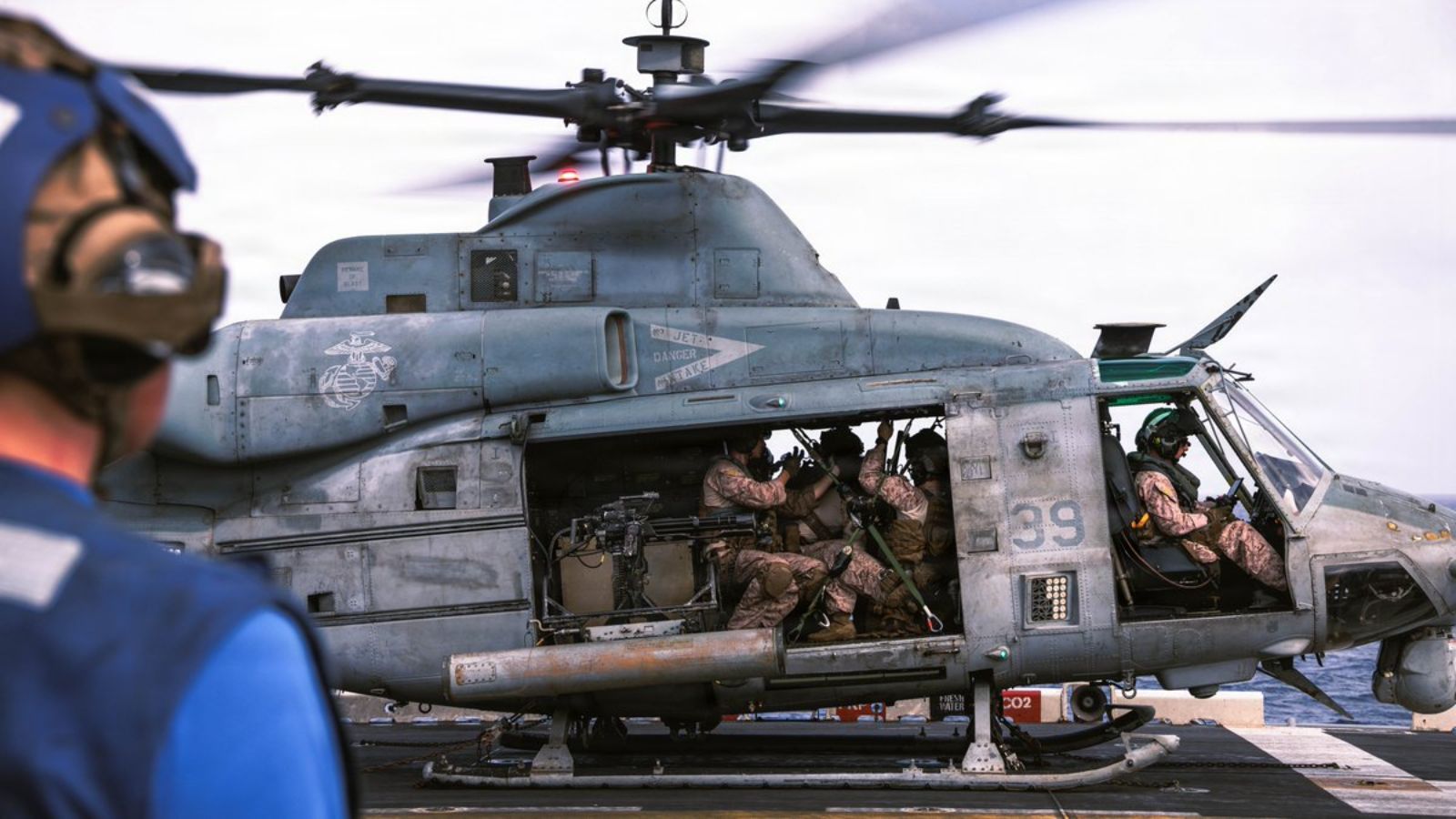
The former US President has claimed an American military aircraft was downed near the Strait of Hormuz, escalating tensions in the volatile region.
The geopolitical temperature in the Middle East has spiked sharply following claims from Donald Trump that an American Apache helicopter was shot down by Iranian forces near the Strait of Hormuz. Speaking on the incident, Trump insisted that the United States "must respond" to what he termed a direct attack on its military assets. The assertion has sent ripples through global markets, which are already hypersensitive to any disruption in the vital oil transit chokepoint.
While the incident has dominated the global news cycle, official confirmation from the Pentagon remains pending. The situation mirrors previous flashpoints in the Persian Gulf, where the proximity of US naval and air patrols to Iranian coastal defenses has frequently led to high-stakes confrontations. For now, observers are waiting to see if this rhetoric translates into a formal military posture or remains a strategic warning during a sensitive period of international transition.
Why it matters
The Strait of Hormuz is the world’s most important oil chokepoint, and any confirmed engagement between US and Iranian military hardware carries the risk of a regional spillover. For investors and energy analysts, the primary concern is the potential for a sudden surge in crude prices if the security situation deteriorates. If the US decides it must respond, the subsequent tactical maneuvers could disrupt shipping lanes, forcing a re-evaluation of risk premiums across global logistics and energy sectors.
The pattern of such incidents suggests that both Washington and Tehran are walking a tightrope. Past skirmishes have often been followed by periods of intense posturing, yet both sides have historically sought to avoid an all-out conflict. However, the explicit nature of Trump’s vow to retaliate creates a political environment where a measured response becomes difficult to calibrate. Whether this leads to a localized escalation or a diplomatic standoff depends largely on the official evidence provided in the coming hours.
For those following the story, the contrast between the ongoing, lighthearted distractions—like the global fervor surrounding the current FIFA World Cup games—and the gravity of these military developments is stark. While the world is currently focused on the pitch, the situation in the Hormuz Strait remains a serious reminder of how quickly the global security landscape can shift. Our desk continues to monitor official reports as they emerge from Washington and the region.
Rohan Gupta covers the economy, markets and companies for PoliticalPedia.