Trump Loses Temper, Throws Mic, Walks Out of Fiery Interview: 'You're Stupid, I've Had Enough, Darling'
Trump Loses Temper, Throws Mic, Walks Out Of Fiery Interview: ‘You're Stupid, I've Had Enough, Darling'
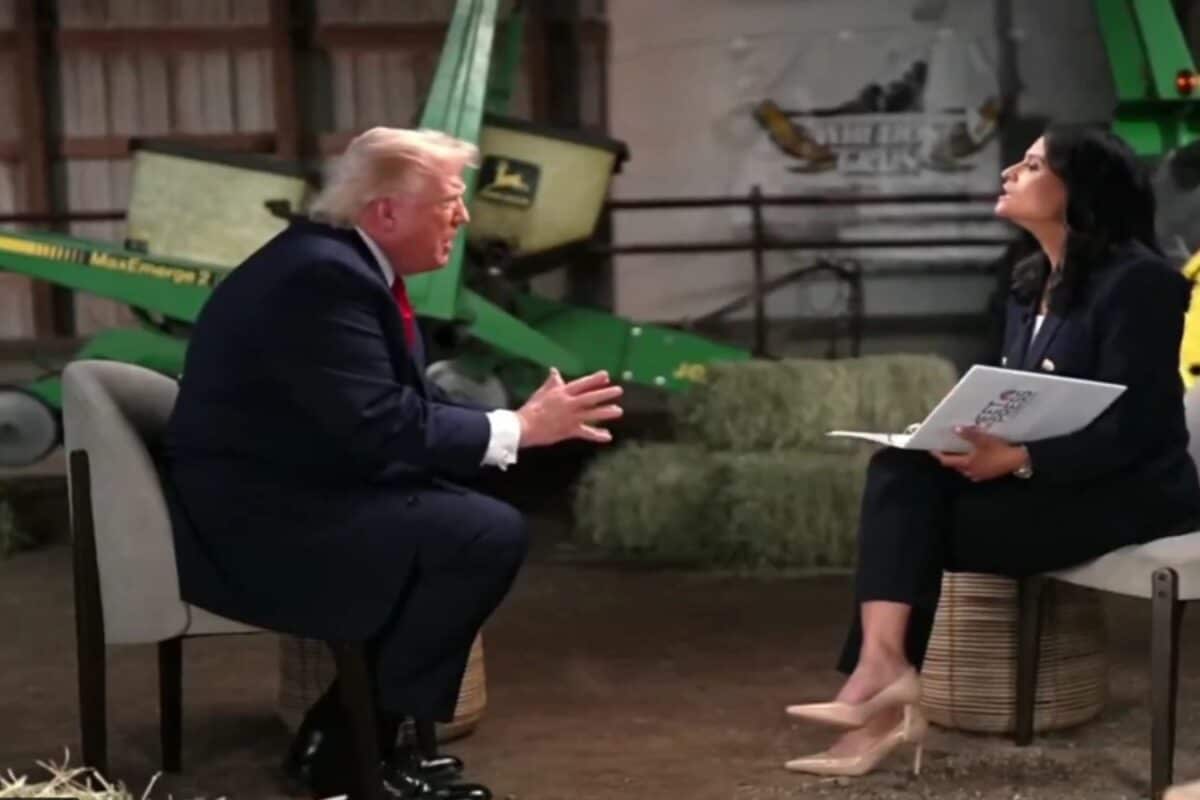
The former president’s tense sit-down with NBC’s Kristen Welker ended abruptly after a heated clash over election integrity and California’s ballot-counting process.
The air in the room turned brittle the moment the conversation shifted to California. During a nationally televised interview, Donald Trump lost his temper, allegedly threw his microphone, and walked out after a bruising exchange with NBC anchor Kristen Welker. The encounter, which has since set social media ablaze, reached a breaking point when Welker pressed the former president for evidence regarding his recurring claims that the American electoral system is rigged.
The friction began when Trump took issue with the pace of vote-counting in California, labeling the multi-day delay as proof of "cheating." When Welker countered that the extended window is a standard feature of the state’s established voting system, the situation devolved rapidly. Trump dismissed the process entirely, snapping at the journalist, calling her "crooked" and "stupid," before delivering the final parting shot: "I've had enough, darling."
The evidence gap
Throughout the interview, the divide between the two was stark. While Trump insisted that the delay in results was a smoking gun for electoral fraud, he failed to provide any concrete documentation or specific proof when challenged. "All I have to do is look," he told Welker, suggesting his claims were based on hearsay and his own perceptions rather than documented irregularities. Welker remained persistent, repeatedly clarifying that there is no evidence to support the theory that elections are being rigged, a move that only seemed to further incense the former president.
Why it matters
This incident is not an isolated flare-up; it reflects a growing pattern of volatility in how political figures engage with the media. Whether it is a White House press secretary sparring over the definition of tariffs or ex-allies publicly criticizing administration styles, the temperature of political discourse in the U.S. remains at a boiling point. For the average viewer, these moments—like the one seen on Meet the Press—highlight a deepening chasm where factual debate is increasingly replaced by personal hostility. When an interview ends with a microphone being discarded rather than a point being conceded, it signals that the divide between political rhetoric and institutional reality is wider than ever.
As the election cycle grinds on, this interaction serves as a reminder of the mounting pressure on both sides. Trump’s refusal to engage with the structural reality of California's voting laws—and the media’s insistence on holding those claims to a standard of evidence—suggests that these "fiery" exchanges are likely to become the new normal. For now, the takeaway is clear: in the high-stakes world of modern politics, the mic is no longer just for broadcasting; it has become the latest casualty in a war of nerves.
Features Desk at PoliticalPedia covers culture, tech & life for an Indian audience in English and Hindi.