Trump Floats Potential Meeting With Iran’s Supreme Leader Amid Fragile Deal Talks
'It's possible': Trump hints at meeting Iran's Khamenei amid deal talks
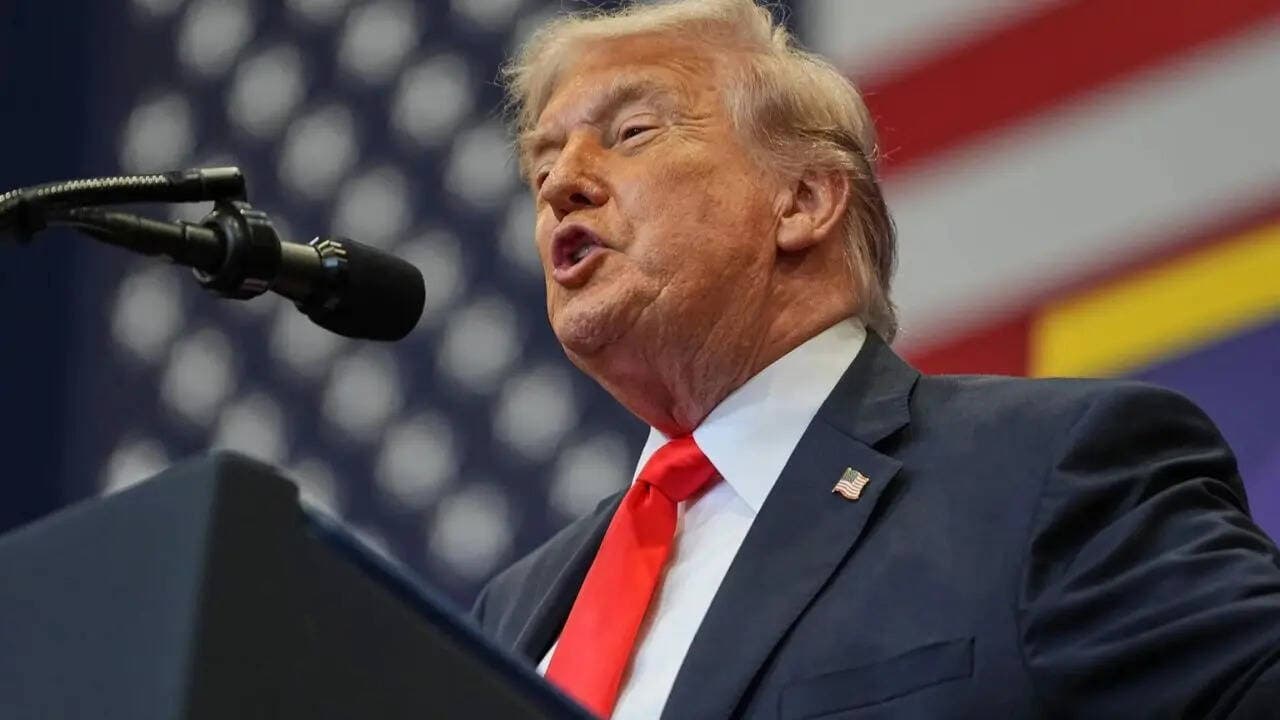
As the four-month-long conflict persists, the US president expresses openness to diplomatic engagement with Mojtaba Khamenei if a formal agreement can be secured.
President Donald Trump has indicated that he would be "honoured" to hold a meeting with Iran’s Supreme Leader, Mojtaba Khamenei, provided that ongoing negotiations result in a successful deal to end the current hostilities. Speaking to reporters at the White House on Thursday, the president maintained a cautious but open stance regarding a direct encounter, even as the two nations remain locked in a contentious standoff.
Diplomatic Positioning Amid Conflict
While the president remarked that he does not personally desire a summit, he clarified that he would be willing to engage if it serves the purpose of finalizing an agreement. "If we make a deal, it's possible that I would meet him," Trump said. This follows a period of intense volatility in the region, with the conflict now entering its fourth month and causing significant disruptions to global markets and energy prices.
The political landscape surrounding these talks remains complex. The US administration continues to demand that Iran formally renounce any pursuit of nuclear weaponry and restore access to the Strait of Hormuz. Conversely, Tehran has insisted on an immediate cessation of hostilities and the lifting of the naval blockade currently restricting its ports.
Navigating a Challenging History
The potential for a high-level meeting is complicated by the personal toll of the war. Mojtaba Khamenei assumed the position of supreme leader following the death of his father, Ayatollah Ali Khamenei, during the initial stages of the conflict. When questioned about whether this history might create animosity, the US president suggested he expects a professional approach from the Iranian leadership. "I would say I’m not his favorite person," the president noted, while acknowledging that the Iranian leader maintains a reputation as a professional in various circles.
Legislative Tensions in Washington
The president’s diplomatic overtures come at a time of friction between the White House and Congress. On Wednesday, the House of Representatives voted 215-208 to pass a resolution aimed at restricting the president’s authority to launch further military actions against Iran without explicit congressional approval. The bill, which saw four Republicans join the Democratic majority, is now headed to the Senate.
Trump has publicly criticized the move, dismissing the legislative attempt to curb his war powers. Meanwhile, he continues to assert that the United States holds a dominant position in the conflict. He recently claimed that Iran’s military structure has been severely compromised, stating that the nation’s navy and air force have been largely neutralized. As both sides signal that communication channels remain open, the prospect of a breakthrough remains uncertain, leaving the international community to watch for further shifts in the balance of power.
The PoliticalPedia Editorial Desk brings verified, sourced political news and analysis from across India.