Trump Denies $300 Million Payment to Iran Under Peace Deal, Says Tehran Agreed Never to Have Nukes
Trump Denies $300 Million Payment To Iran Under Peace Deal, Says Tehran Agreed Never To Have Nukes
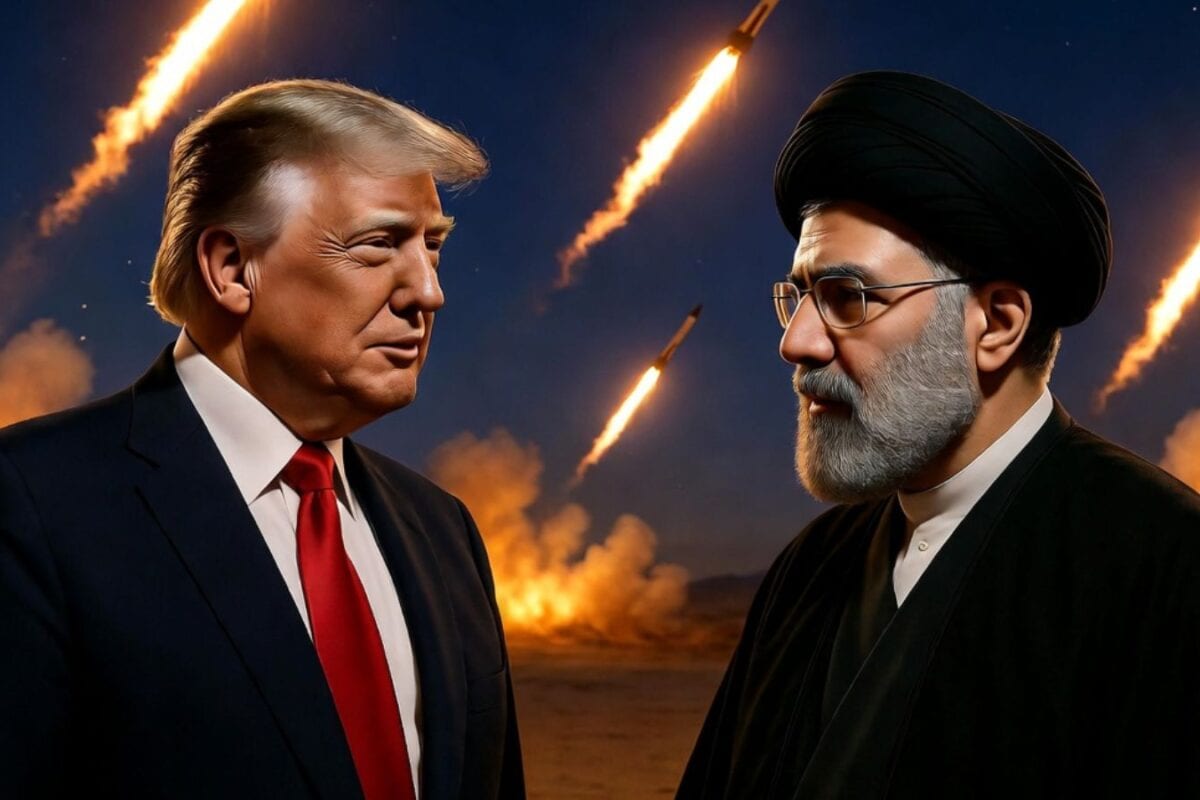
As the White House moves to finalise a preliminary agreement to end the West Asia conflict, Donald Trump is pushing back against reports of financial concessions while asserting that Tehran has committed to total nuclear disarmament.
The diplomatic chessboard in West Asia is shifting rapidly. On Monday, Donald Trump took to Truth Social to dismiss swirling reports that Washington would transfer a $300 million payment to Iran as part of a newly brokered peace deal. Trump labelled the claims “fake news,” insisting that the core of the agreement rests on a singular, non-negotiable premise: Tehran has agreed to never have nukes.
This clarification comes as the finer print of the preliminary US-Iran deal begins to surface, triggering intense debate in Washington and beyond. While the administration is keen to frame this as a breakthrough—with Vice President JD Vance suggesting that the deal will strengthen regional security and allow for the unrestricted reopening of the Strait of Hormuz—the reality on the ground remains fluid.
Strained Alliances and Security Doubts
The friction isn't just between the US and Iran; it’s playing out within the Trump administration’s own ranks. Reports from Axios indicate that CIA Director John Ratcliffe has expressed significant scepticism during internal briefings, raising red flags about whether Tehran truly intends to honour its nuclear concessions.
Simultaneously, the US-Israel relationship is being tested. While Vice President Vance maintains that Israel will eventually come around to supporting the framework, the public signals from Jerusalem suggest deep-seated unease. The Statesman reports that Israel has effectively signalled it will not consider itself bound by a deal that it fears leaves its security vulnerabilities exposed. For the Indian strategic community, which monitors West Asian stability closely due to energy dependencies and the large diaspora in the region, these conflicting signals from the White House and the Israeli security apparatus are particularly concerning.
The Bigger Picture: Why It Matters
The current uncertainty highlights the precarious nature of "preliminary" diplomacy. By denying the $300 million payment, Trump is attempting to control a narrative that could easily be weaponised by his domestic critics. However, the broader challenge remains: can a deal that lacks the full, enthusiastic backing of key regional partners—and faces internal intelligence pushback—actually hold?
If the deal progresses, it could mark a massive shift in global energy markets and maritime security. But until the text of the Memorandum of Understanding is fully disclosed, the world is left reading the tea leaves of social media posts and carefully curated interviews. For now, the administration is betting that the promise of a nuclear-free Iran outweighs the diplomatic cost of the friction it has sparked with its traditional allies.
Ananya Iyer covers global affairs with an Indian lens for PoliticalPedia.