Tragedy at Vizag Steel: 8 Killed After Molten Metal Ladle Explodes
8 killed as molten steel spills on workers after Visakhapatnam plant blast
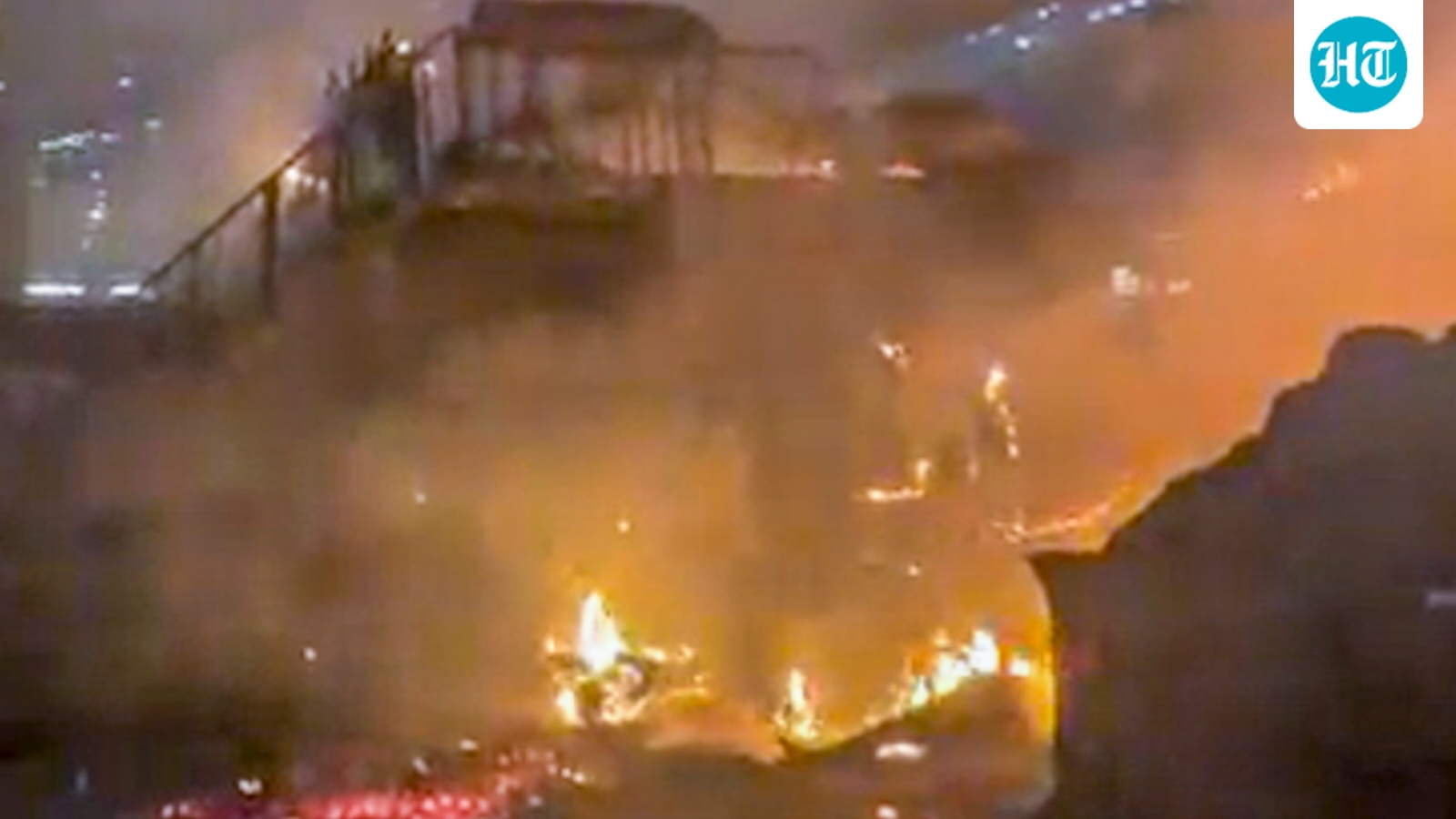
A massive industrial accident at the Rashtriya Ispat Nigam Limited plant has left eight workers dead and six others fighting for their lives after 150 tonnes of steel surged from a transport ladle.
The industrial landscape of Visakhapatnam was shaken on Monday afternoon when a catastrophic mechanical failure turned a routine manufacturing process into a disaster. At approximately 4:15 p.m., a ladle carrying nearly 150 tonnes of molten steel—heated to a searing 1,500 degrees Celsius—exploded while being moved toward the casting unit at the Rashtriya Ispat Nigam Limited (RINL) facility. The resulting spill of white-hot liquid metal claimed the lives of eight workers, while six others sustained severe injuries, some of whom remain in critical condition.
Union Minister of State for Steel, Bhupathiraju Srinivasa Varma, rushed to the site to oversee the response, confirming that the tragedy occurred at the plant’s Steel Melting Shop-1. While the immediate focus remains on providing medical support—with air ambulances kept on standby—the technical cause of the blast is currently under investigation. Officials are examining whether a mechanical failure, such as snapped wires or a structural collapse of the transport equipment, triggered the rupture of the ladle.
A Dark History of Industrial Risks
This incident is the most significant loss of life at the 34-year-old state-owned plant in over a decade. It brings back painful memories of the June 2012 explosion at the oxygen plant of the Steel Melting Shop-III, which resulted in the deaths of 19 workers, including several senior officials. That earlier disaster had prompted intense scrutiny of the plant's safety protocols and maintenance cycles, raising fresh questions about the aging infrastructure at the massive Vizag facility.
For the families of those killed, the accident is a devastating blow that highlights the persistent dangers inherent in heavy manufacturing. Prime Minister Narendra Modi expressed his condolences to the families of the deceased, as local authorities and plant management work to stabilize the site and care for the injured.
Why it matters
The disaster at the Vizag steel plant is not merely a localized tragedy; it serves as a sobering reminder of the volatility associated with high-heat industrial operations in India. When safety buffers fail in environments handling 1,500-degree molten metal, the margins for survival are non-existent. Beyond the immediate human toll, this incident will likely trigger a massive safety audit across state-run steel units. As the investigation progresses, the central government will face mounting pressure to address potential systemic vulnerabilities in equipment maintenance and the oversight of aging machinery to prevent future accidents of this scale.
Rohan Gupta covers the economy, markets and companies for PoliticalPedia.