TMC Rebellion Gathers Pace: Sayani Ghosh Reaches Delhi Ahead of Crucial Dissident MPs’ Meeting
Breaking: TMC Rebellion Gathers Pace: Sayani Ghosh Reaches Delhi Ahead of Crucial Dissident MPs’ Meeting
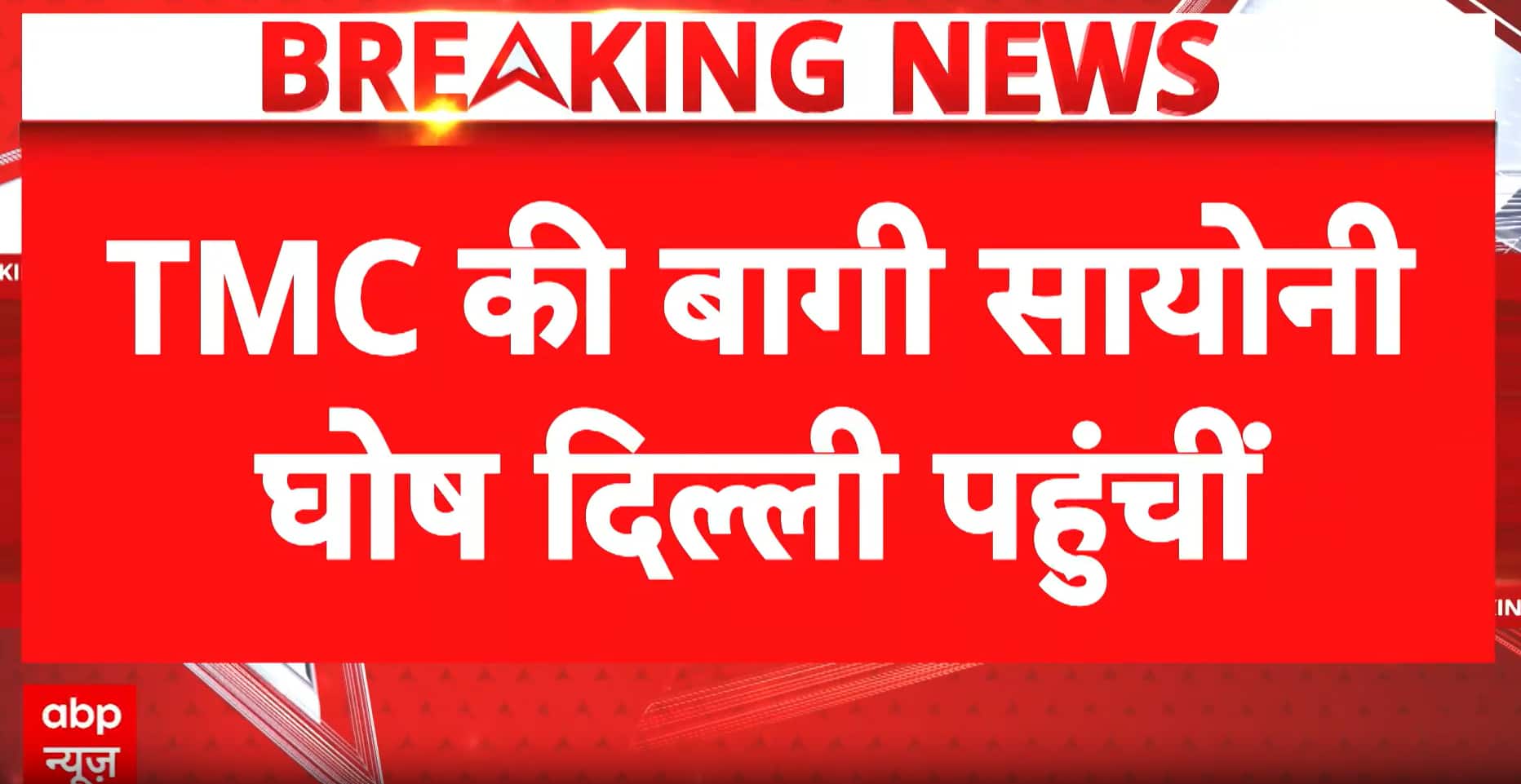
The Trinamool Congress faces an existential crisis as a growing bloc of parliamentarians converges on the capital to challenge Mamata Banerjee’s leadership.
The political temperature in New Delhi has spiked as the TMC rebellion gathers pace, with Jadavpur MP Sayani Ghosh arriving in the capital to join a growing list of dissidents. Her arrival, alongside senior colleague Mala Roy, signals a coordinated effort by a significant faction within the Trinamool Congress to force a confrontation with the party high command. As Sayani Ghosh reaches Delhi to join this crucial dissident MPs’ meeting, the focus has shifted entirely to the parliamentary arithmetic that could strip Mamata Banerjee of her long-held control over the party’s legislative wing.
The internal revolt is no longer confined to hushed conversations in Kolkata. Reports indicate that at least 20 MPs, including prominent figures like Kakoli Ghosh Dastidar and Satabdi Roy, have formally signaled their intention to distance themselves from the party’s current trajectory. This group is expected to petition Lok Sabha Speaker Om Birla for recognition as a separate bloc. The move follows a series of high-profile departures and a bruising electoral performance that has left the organization’s foundation—the "Maa, Maati, Maanush" philosophy—under extreme strain.
The Cracks in the Hierarchy
The dissent appears to be a systemic collapse rather than a localized grievance. The recent resignation of Rajya Sabha veteran Sukhendu Sekhar Ray, coupled with reports of MPs huddling at the residence of Union Minister Bhupender Yadav, suggests a strategic alignment with the BJP-led NDA. The party leadership, meanwhile, is scrambling to hold the line. Senior leaders like Kalyan Banerjee have hit back, labeling the rebels as morally bankrupt and demanding that those with grievances follow the path of resignation rather than engaging in what they describe as "covert" sabotage.
The crisis is complicated by accusations of internal deception. Mahua Moitra’s public call-out of Sudip Bandyopadhyay—who was allegedly spotted in Delhi shortly after claiming to be hospitalized in Kolkata—highlights the deep-seated distrust currently fracturing the party. With the rebel camp now claiming support from a substantial section of both Parliament members and state MLAs, the structural integrity of the TMC is under its greatest threat since the party’s founding.
Why It Matters
This is not merely a spat between party loyalists; it is a fundamental shift in the regional balance of power. If the dissident camp succeeds in securing formal recognition in the Lok Sabha, the TMC could lose its status as a unified opposition voice, effectively weakening its bargaining power within the broader INDIA bloc.
For Mamata Banerjee, the challenge is two-fold: she must manage an organizational reshuffle to prevent further bleeding while simultaneously preparing for a likely legal battle over the party’s official symbol and identity. The coming days in Delhi will be decisive. Should the rebel group maintain their numbers, the "vertical split" many observers feared may soon become a permanent reality, irrevocably altering the landscape of West Bengal politics.
Arjun Mehta reports on government, policy and Parliament for PoliticalPedia, in English and Hindi.