Thomas Tuchel’s Tactical Headache: Why World Cup Hydration Breaks Are Changing Football
Thomas Tuchel on hydration breaks at World Cup: ‘Breaks the match in 4 quarters’
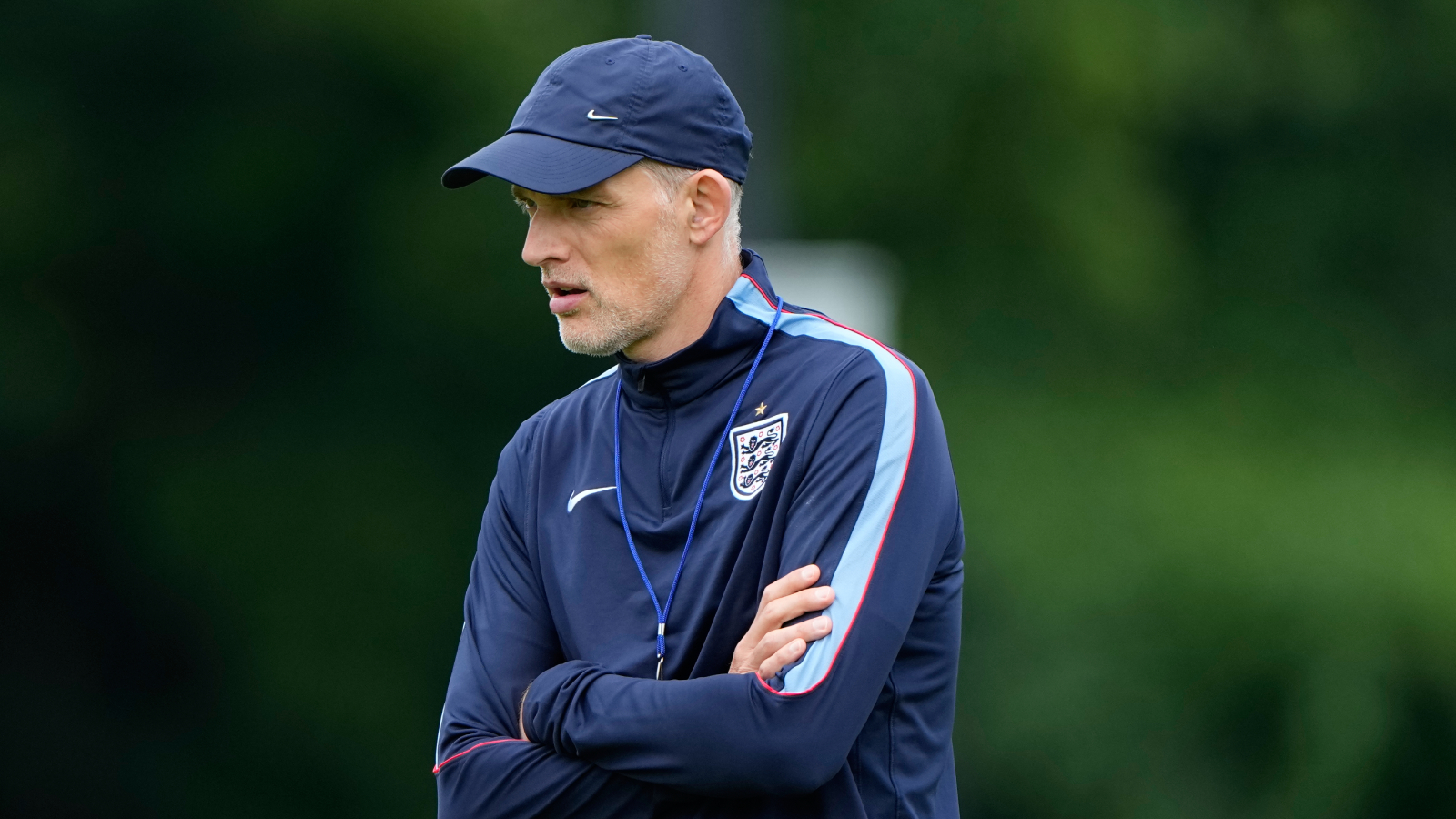
The England manager argues that mandatory mid-half stoppages are fundamentally altering the rhythm of the game, despite their clear tactical benefits.
The pristine turf of the World Cup stadiums is meant to be a theatre of endurance, where momentum is a currency earned through grit. However, England manager Thomas Tuchel has cast a spotlight on a growing point of contention: the mandatory hydration breaks. As his squad prepares for their second fixture against Ghana in Boston, Tuchel has expressed clear frustration, suggesting these interruptions are turning 90 minutes of football into something closer to four distinct quarters.
The core of the issue lies in the uniform application of these breaks. While they were originally conceived as a health necessity for extreme heat, they are now being enforced across the board, regardless of the actual weather conditions on the day. Even with forecasts predicting rain and milder temperatures for the upcoming match, the whistle will still blow to pause play. For a manager who prizes the fluid, unscripted battle between teams, this artificial intervention feels like a departure from the game’s traditional identity.
The Cost of Momentum
Tuchel is candid about the trade-off. From a coach’s perspective, these pauses are undeniably useful; they offer a window to reset, relay tactical instructions, and regroup players who might be flagging. Yet, he argues that this administrative convenience comes at a significant cost to the spectacle. Football, in his view, is at its best when it unfolds in one continuous surge, allowing pressure to build and climax naturally. By forcing these breaks, the sport loses the very tension that makes it compelling.
The broader concern among critics is the shift in how matches are governed. If these stoppages remain a permanent fixture of the World Cup, the sport risks moving toward a "stop-start" model more common in other high-intensity field games. While FIFA maintains that player welfare is the priority, the tactical implications for managers like Tuchel are profound. They are being handed an extra coaching tool, but at the expense of the organic flow that has defined the World Cup for decades.
The Bigger Picture: Why It Matters
This debate is about more than just water; it highlights the tension between modern sports management and the preservation of traditional game flow. FIFA is increasingly balancing health protocols with the "money-making motor" of the tournament, where commercial breaks and standardized timings are becoming as influential as the players themselves. If matches are consistently broken into four segments, we aren't just seeing a change in player hydration—we are seeing a fundamental shift in the product being sold to the world. For the purists, the concern is that the "battle on the field" is being diluted by too much outside intervention. Whether these breaks are here to stay will likely depend on whether the governing body prioritizes broadcast and tactical convenience over the unfiltered rhythm that fans crave.
Arjun Mehta reports on government, policy and Parliament for PoliticalPedia, in English and Hindi.