The Workload Riddle: Why Sanjay Manjrekar is Questioning Jasprit Bumrah’s Commitment
‘I'm confused about his career’: Manjrekar fires shots at Bumrah's workload management
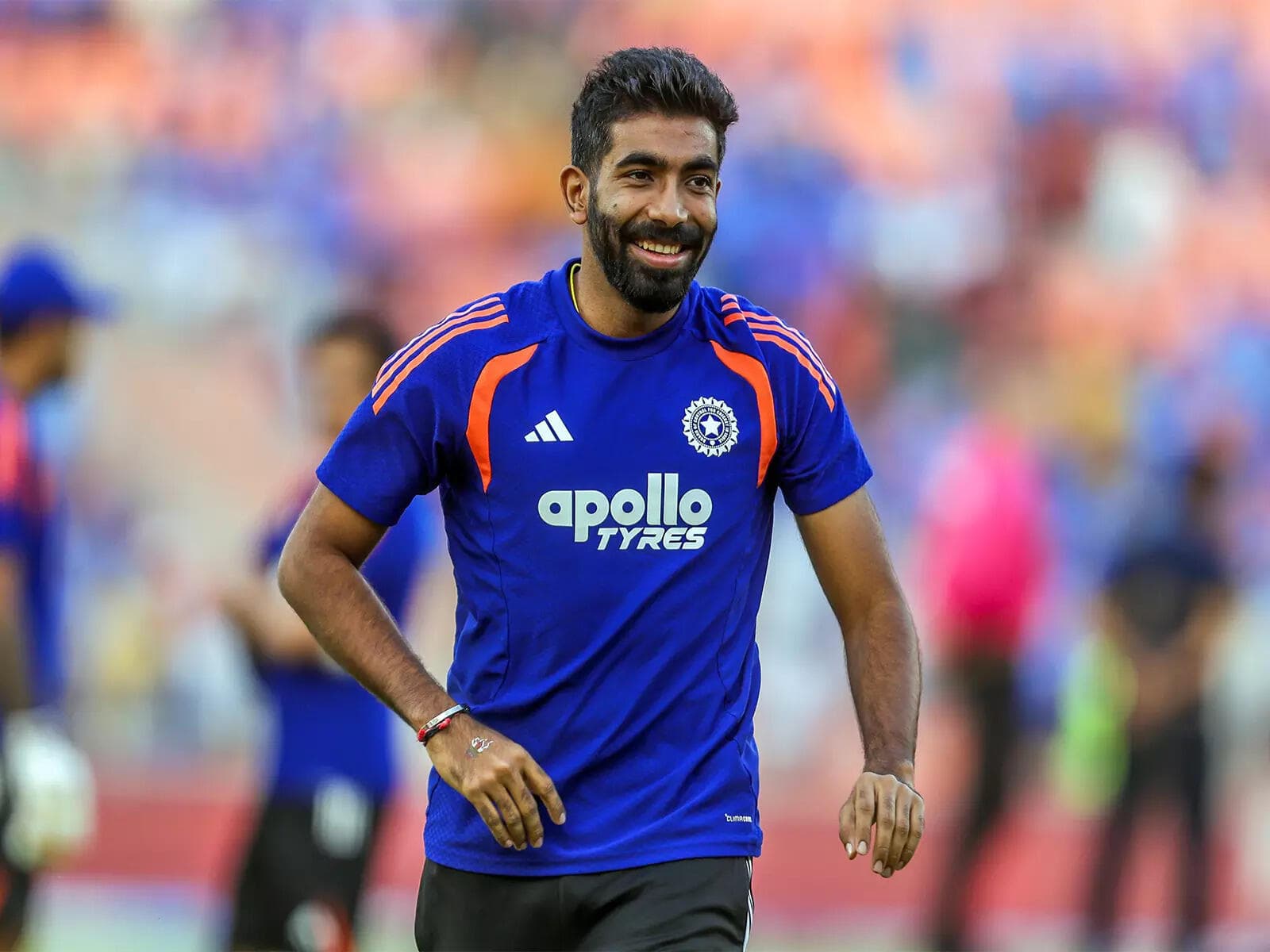
The former batter’s blunt critique of the star pacer’s selective availability sparks a fresh debate on the delicate balance between longevity and national duty.
The optics of modern cricket are shifting, and for former India batter Sanjay Manjrekar, the trend is becoming impossible to ignore. Jasprit Bumrah, arguably the most lethal weapon in India’s bowling arsenal, finds himself at the center of a public critique regarding his career trajectory. After a grueling IPL 2026 season where he turned out for the Mumbai Indians in 13 matches, the decision to rest the pacer for the upcoming T20I tours of Ireland and England has left many—including Manjrekar—scratching their heads.
A Pattern of Selective Play
Manjrekar, speaking on Sony Sports Network, did not mince his words. He expressed clear frustration over a pattern he believes is emerging: a star player who appears to pick and choose his assignments. While the former cricketer acknowledged that the physical demands of Test cricket are undeniable, he questioned why a bowler capable of sustaining an entire IPL campaign would suddenly require a break for shorter T20I assignments.
The confusion stems from a perceived mismatch in priorities. Manjrekar noted that he previously viewed the pacer as the natural heir to the T20I captaincy, believing he had the temperament to handle the rigors of the format. Instead, he sees a player who is increasingly absent from bilateral series, which the former batter maintains remain the true test of a cricketer’s mettle.
The Asian Games vs. The Bilateral Grind
Though Bumrah is set to join the 15-member squad for the Asian Games in Japan—an event led by Shreyas Iyer this September—Manjrekar remains unimpressed by the weight of such tournaments. He argued that international cricket’s sanctity is still anchored in bilaterals and World Cups, rather than emerging multi-sport spectacles. The sentiment is that unless a player is fully committed to the grind of the regular calendar, their career path begins to lose its clarity.
Why it matters
This friction highlights a growing structural tension in the sport: the clash between franchise loyalty and national obligation. As the cricket calendar becomes increasingly crowded, players are forced to manage their bodies with surgical precision. However, for the fans and pundits who define a player’s legacy by their appearances in the blue jersey, this "load management" often feels like a breach of contract.
If star players continue to prioritize specific tournaments over the standard bilateral circuit, the BCCI may soon face a crisis of optics. The larger implication is a shift in the very definition of a "national player." Are we moving toward a model where elite cricketers function like independent contractors, or should the national team retain the right to demand total availability? Manjrekar’s intervention suggests that for the purists, the current approach is not just confusing—it is unsustainable.
Features Desk at PoliticalPedia covers culture, tech & life for an Indian audience in English and Hindi.