The Viral Crossroad: How IShowSpeed’s Ronaldo Obsession is Redefining World Cup Coverage
Watch: IShowSpeed loses it as Cristiano Ronaldo scores his first goal of the 2026 World Cup
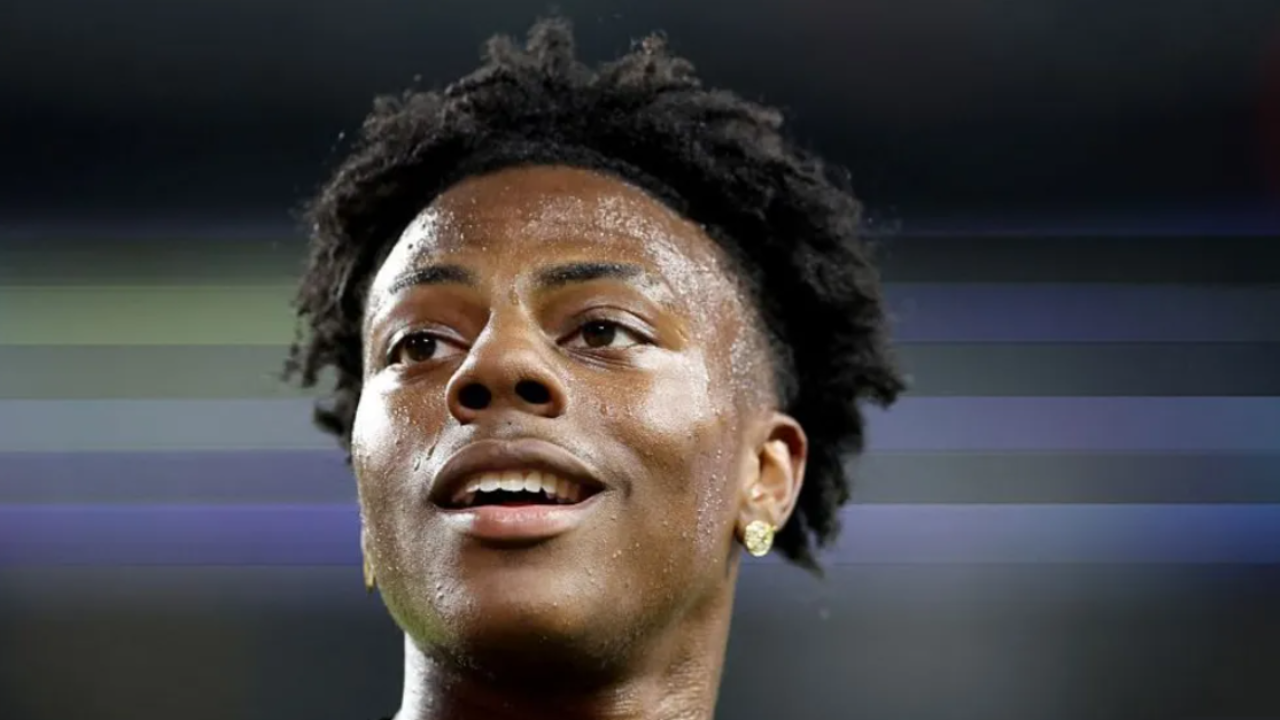
From stadium boxes to social media feeds, the intersection of influencer culture and the 2026 FIFA World Cup has reached a fever pitch as Cristiano Ronaldo finds the net.
The roar from the stadium box wasn't just coming from the pitch; it was erupting from a single, frantic streamer. As Cristiano Ronaldo finally hammered home his first goal of the 2026 FIFA World Cup against Uzbekistan, the internet turned its gaze not just to the veteran icon, but to his most vocal cheerleader, IShowSpeed. The streamer’s unhinged celebration—bolting from his chair, screaming, and charging into a crowd of fans—became an instant, global digital phenomenon, effectively sharing the spotlight with a career-defining moment for the Portuguese captain.
For Ronaldo, the goal was a matter of professional survival. After a lukewarm start against DR Congo left critics questioning whether the aging forward could still exert influence on the world’s biggest stage, his brace against Uzbekistan provided the perfect response. The captain silenced the doubters, proving his legendary status remains intact even as he navigates his sixth tournament. Yet, the viral clip of IShowSpeed’s reaction suggests that in this modern era, the narrative of the game is increasingly shaped by those watching it as much as those playing it.
The Influencer-Sports Nexus
This isn't an isolated incident. The 2026 World Cup has witnessed a growing, somewhat chaotic trend where online creators and streamers become central characters in the sporting drama. Whether it is IShowSpeed’s emotional swings—ranging from backflips over penalty misses to his recent tearful outburst—or the copyright hurdles faced by other streamers, the line between stadium atmosphere and digital content creation has blurred.
These creators bring a raw, unfiltered energy that traditional broadcasting often lacks. However, this collision of worlds comes with friction. FIFA’s strict stance on digital rights and copyright strikes, which has already claimed other high-profile streamers during this tournament, highlights a growing tension. The governing body is clearly struggling to balance the massive organic reach these personalities provide against the protection of their exclusive commercial broadcast assets.
Why it matters
The viral spectacle of the last 48 hours points to a fundamental shift in sports consumption. Younger audiences are no longer content with just watching the match; they are seeking a "second-screen" experience where the influencer’s reaction validates their own fan experience. For brands and tournament organizers, the challenge is clear: how do you harness this viral energy without losing control of the broadcast narrative?
As the tournament progresses, we are likely to see more of these "crossover" moments. While traditionalists might find the influencer-led chaos distracting, it is undeniably driving engagement metrics to unprecedented levels. Ronaldo remains the main act on the pitch, but in the digital economy of 2026, the people screaming from the stands are becoming just as vital to the World Cup’s reach as the goals themselves.
Rohan Gupta covers the economy, markets and companies for PoliticalPedia.