The Video Row and the Escalating Political Stakes in Punjab
Opinion: Opinion | Will Bhagwant Mann's 'Video' Row Become A Larger Punjab Battle?
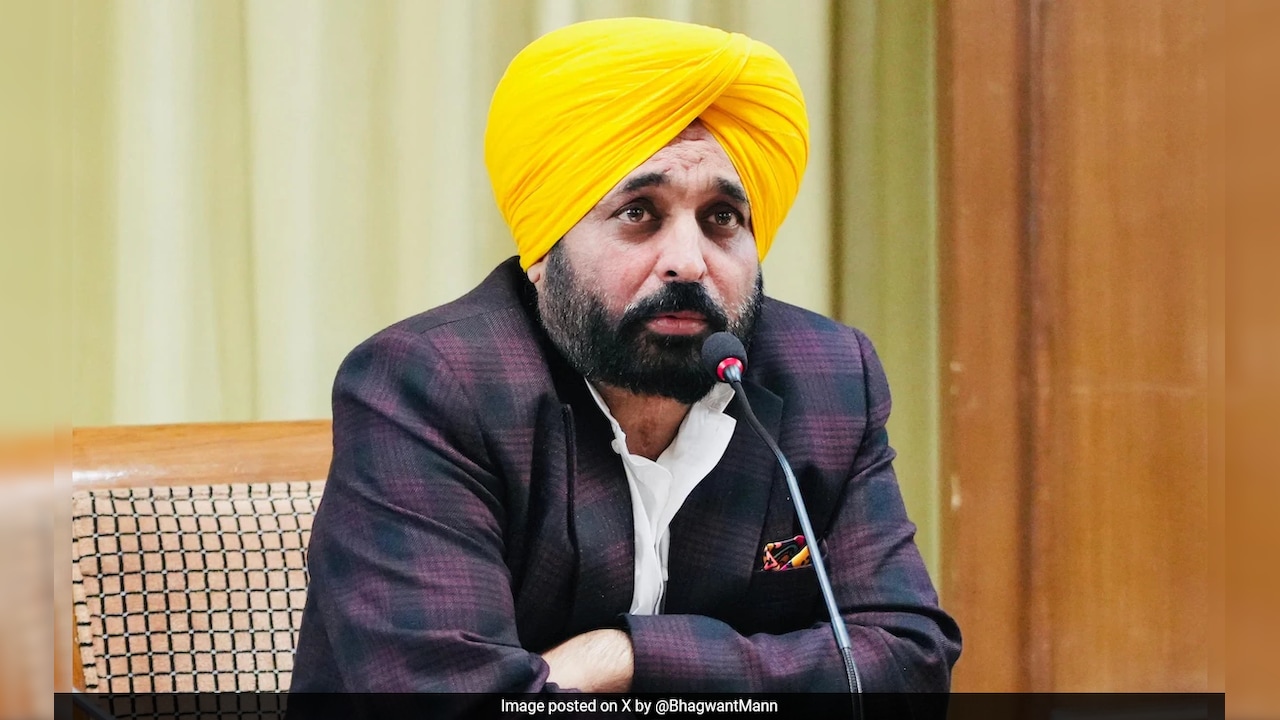
As accusations fly over a viral clip, the AAP government’s forensic claims clash with a fierce BJP-led opposition, signaling a volatile road to 2027.
The political temperature in Chandigarh is rising as quickly as the rhetoric surrounding a viral video allegedly featuring Chief Minister Bhagwant Mann. What began as a digital controversy has rapidly morphed into a high-stakes legislative and legal battle. With the BJP demanding an arrest and accusing the government of orchestrating a forensic cover-up, the row has transcended personal attack, becoming a central theater for the war between the Aam Aadmi Party and its detractors.
For its part, the Punjab government has taken a firm defensive stance. Citing forensic test results, officials maintain that the viral footage bears no match to the Chief Minister, effectively dismissing the allegations as a manufactured smear campaign. Yet, the opposition—led by figures like Manjinder Singh Sirsa—is far from convinced. They have urged state authorities to invoke stringent anti-sacrilege laws, framing the issue not merely as a video discrepancy but as a fundamental question of state leadership and public integrity.
Why it matters
This is about more than just a clip on a screen. For the AAP, this row is an attempt to disrupt the narrative of progress the party is trying to build through projects like underground electricity wiring in Satauj and new ‘pind clinics.’ The BJP, meanwhile, views this as a vital pressure point. By keeping the ‘video row’ alive, the opposition aims to erode the AAP’s core base, hoping to turn the tide ahead of the 2027 assembly elections. The battle of competing narratives reveals a deeper instability: each side is locked in a struggle to define the moral legitimacy of the current administration.
The broader political landscape suggests that this friction is a precursor to a wider Punjab battle. Bhagwant Mann remains publicly confident, projecting that the party will secure 100 seats in the next election, bolstered by recent legal outcomes in Delhi. However, the opposition is equally relentless. Whether it is the demand for a fresh probe or questions over the authenticity of forensic reports, the intensity of the debate indicates that Punjab’s political discourse is becoming increasingly fractured.
The situation is further complicated by the intersection of policy and performance. While the government pushes for a first-of-its-kind caste socio-economic survey to ensure equitable development, the noise from the video controversy threatens to drown out the administration’s bureaucratic wins. As the state moves toward its next electoral cycle, the ability of the AAP to decouple governance from these relentless digital scandals will likely determine its long-term viability in the state.
Arjun Mehta reports on government, policy and Parliament for PoliticalPedia, in English and Hindi.