The unraveling of Trinamool: Mamata Banerjee faces internal revolt as party stalwarts desert ship
'Mamata Banerjee treated Trinamool MPs and MLAs as servants': BJP slams ex-Bengal CM amid TMC infighting
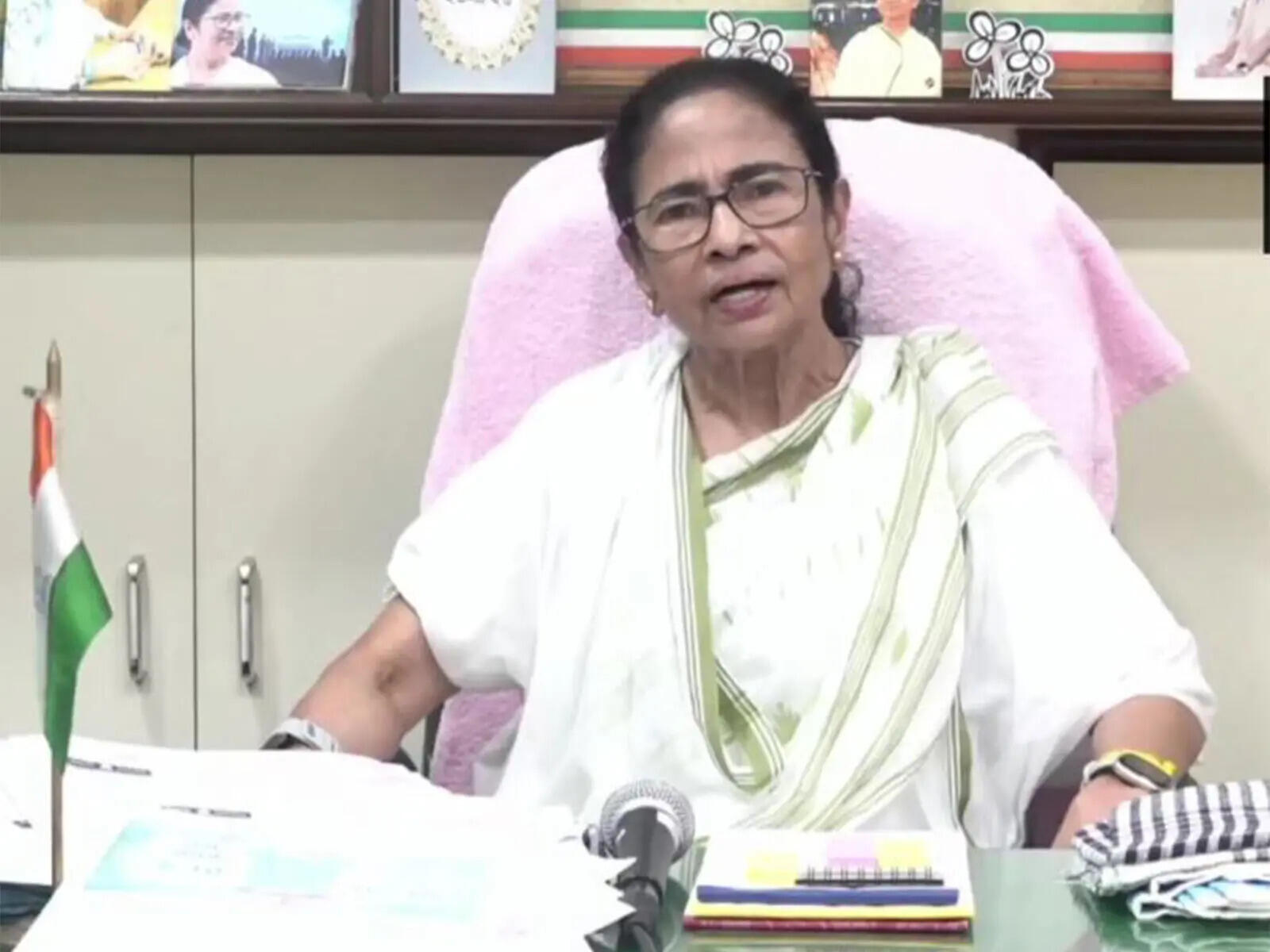
A string of high-profile resignations and explosive allegations of autocratic control signal a deepening crisis for the former Bengal CM as her party fractures.
The cracks in the Trinamool Congress (TMC) have turned into a chasm. Just weeks after the party’s 15-year hold on West Bengal ended in a bruising electoral defeat, the internal machinery is stalling. The latest blow comes from senior leader Chandrima Bhattacharya, who resigned as the state unit president on Saturday—a role she had assumed only in June. Her departure from all party posts, including her critical authority over bank accounts and Election Commission dealings, leaves a gaping leadership vacuum at a time when Mamata Banerjee can ill afford more instability.
The unrest is being framed by the opposition as a rebellion born of bruised egos and autocratic demands. BJP leader Rahul Sinha has seized on the narrative, alleging that the former Bengal CM reduced her MPs and MLAs to the status of "mere servants." Sinha pointed to a post-election review meeting where, according to the rebel faction led by Ritabrata Banerjee, elected representatives were allegedly forced to stand and applaud national general secretary Abhishek Banerjee upon his entry and exit.
For many within the party, this was a breaking point. "Leaders with self-respect who had suppressed their dignity for so long just to cling to power found themselves asking: what is left to do now that power is gone?" Sinha noted while addressing the media in East Bardhaman. The fallout is numerically significant: the rebel camp now claims the support of over 60 newly elected MLAs, while 20 of the party’s 28 Lok Sabha MPs have defected to join the Nationalist Citizens' Party of India, effectively aligning themselves with the BJP-led NDA government.
Why it matters
The collapse of the TMC is no longer just a matter of losing an election; it is a structural implosion. When a party that dominated West Bengal politics for over a decade loses its grip on power, the "glue"—often patronage and the prospect of future influence—evaporates instantly. The exodus of MLAs and MPs suggests that the party’s internal culture, centered heavily on the Banerjee family, provided little incentive for loyalty once the state treasury and administrative levers were out of reach. For the BJP, now governing West Bengal, this represents a golden opportunity to consolidate its hold by absorbing the vacuum left by the TMC’s disintegration.
As the party splits into two distinct camps, the focus shifts to whether Mamata Banerjee can stem the tide or if the current fragmentation is terminal. With the primary bank signatory gone and a rebellion brewing among those who once stood in line for her nephew, the former CM is facing the most precarious challenge of her political career. The coming weeks will determine if this is a temporary setback or the beginning of the end for the TMC as a national political force.
Priya Nair covers parties, elections and the business of power for PoliticalPedia.