The UN Podium as a Proxy: Why India’s Latest Rebuttal to Pakistan Matters
India tears into Pak over 'unwarranted remarks' at UN: 'J&K was, is & will remain internal matter'
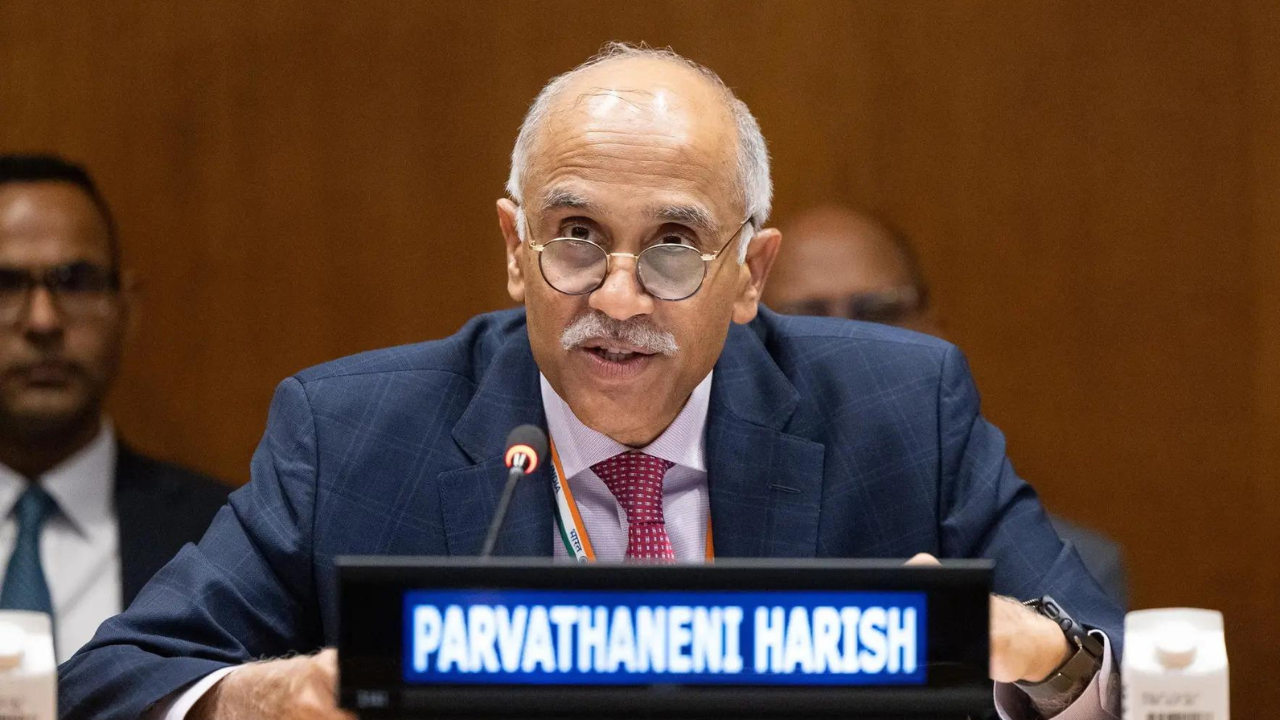
New Delhi has once again drawn a firm line at the United Nations, dismissing Islamabad’s attempts to internationalise the Kashmir issue as a distraction from the global body's core mandate.
The air in the United Nations headquarters in New York is often thick with diplomatic maneuvering, but this week, the friction between India and Pakistan was palpable. During a session intended for multilateral cooperation, India’s Permanent Representative to the UN, Ambassador Parvathaneni Harish, didn't hold back. When Pakistan’s representative, Asim Iftikhar Ahmad, attempted to steer the conversation toward Kashmir—a recurring tactic that New Delhi has grown weary of—Harish was swift and sharp in his rebuke.
The Indian envoy didn't just address the specific comments; he called out the perceived lack of impartiality from the session's co-chair. For New Delhi, the message was simple: the UN is meant to be a forum for global progress, not a stage for biased narratives. Harish reiterated that Jammu and Kashmir is, and will always remain, an internal matter for India, a stance that has remained consistent despite years of diplomatic pressure from across the border.
The UN-80 Framework and Bureaucratic Friction
Beyond the immediate diplomatic spat, Harish’s intervention highlighted a deeper frustration with the UN’s internal processes. India is currently pushing for the UN-80 framework, a sweeping review designed to sharpen the efficiency of the organisation’s mandates.
New Delhi’s position is that if the UN is serious about trimming the fat and streamlining its operations, there is no logical reason for the Security Council’s mandates to remain shielded from this oversight. By linking the Kashmir issue to this broader call for reform, India is essentially signalling that it views Pakistan's persistent posturing not just as a geopolitical nuisance, but as an obstacle to the structural evolution of the United Nations itself.
Why it matters
The recent flare-up at the UN is symptomatic of a larger, frozen deadlock between the two nations. This isn't happening in a vacuum; it follows a string of escalations, including provocative remarks from Pakistan's leadership regarding the Indus Waters Treaty. When these tensions spill over into international forums like the UN, they serve as a reminder that the bilateral relationship remains stuck in a cycle of grievance and rebuttal.
For India, the strategy is clear: deny the internationalisation of internal state issues while simultaneously exerting pressure on regional and global platforms to recognise Pakistan’s role in regional instability. As the UN undergoes its own internal soul-searching via the UN-80 review, New Delhi is ensuring its narrative remains front and centre, refusing to let the platform be used to undermine its territorial integrity.
Kabir Sharma writes on culture, technology and everyday life for PoliticalPedia.