The Tuchel-Bellingham Gamble: Why England’s World Cup Hopes Rest on Temperament
Jude Bellingham's attitude questioned over England bench role at World Cup
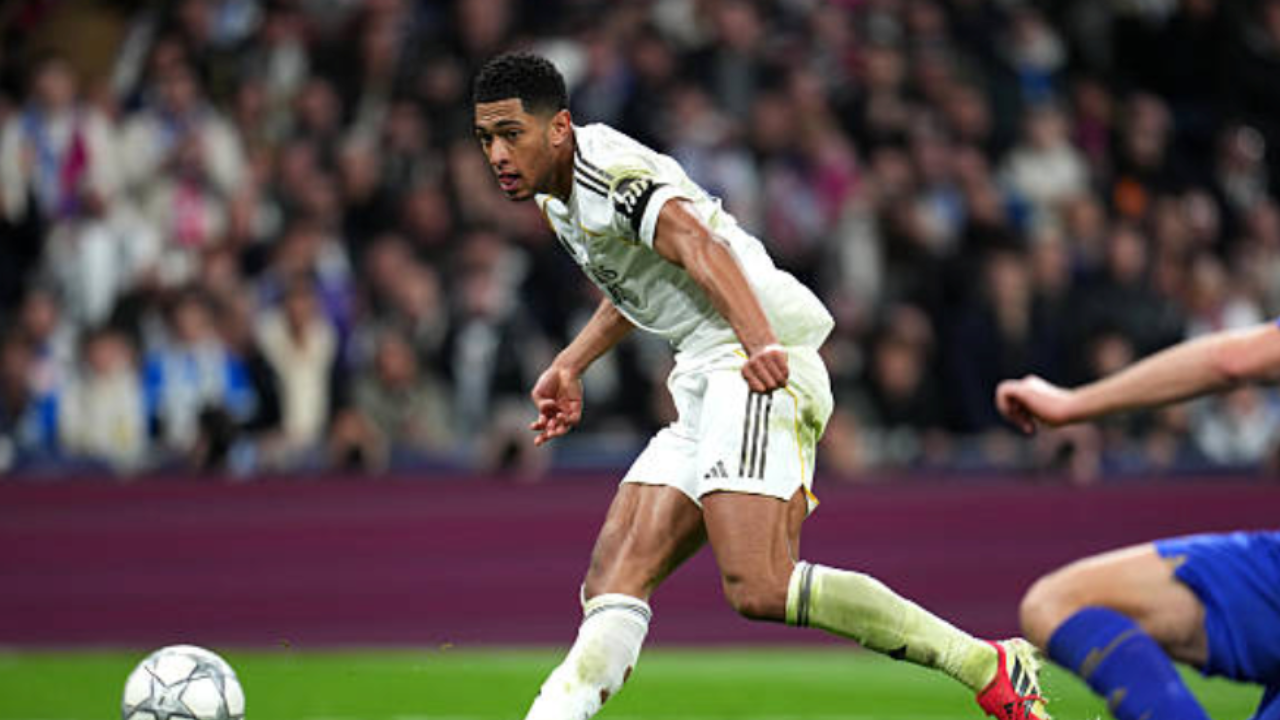
As Thomas Tuchel prepares his squad for the 2026 World Cup, the tension between Jude Bellingham’s superstar status and tactical necessity has become the Three Lions’ most defining subplot.
The optics are stark: a global icon, a Real Madrid talisman, and a player who once seemed untouchable now finds himself staring at a potential spot on the bench. As England readies for their World Cup opener against Croatia on June 17, the burning question isn't just about tactics; it’s about personality. Former Three Lions defender Conor Coady has publicly aired what many in the dressing room are whispering: can Jude Bellingham handle a secondary role under Thomas Tuchel?
The emergence of Aston Villa’s Morgan Rogers has shifted the landscape. Having started 12 of Tuchel’s first 13 matches, Rogers has become the German manager’s tactical preference in the attacking midfield slot. It is a meritocratic shift that has left the Real Madrid star at a crossroads. While Bellingham remains a titan of the game, his well-documented intensity—often manifesting as frustration when things veer off-script—has become a focal point of scrutiny.
The Pressure at Madrid and Beyond
The narrative surrounding Bellingham’s "attitude" isn't confined to the England camp. Reports from Madrid suggest that internal pressure has been mounting, with the club’s hierarchy reportedly demanding shifts in demeanor among their core players following a tumultuous season. When you add the weight of expectation from the England faithful—who have historically struggled to reconcile the behavior of their biggest stars with the requirements of a team-first environment—the stakes for the 22-year-old are monumental.
Tuchel, known for his uncompromising approach to discipline and structure, is betting that the team’s collective success outweighs individual brand power. If Bellingham finds himself as an impact substitute rather than the first name on the team sheet, his reaction will be the definitive test of this new England era.
Why it matters: The Bigger Picture
This standoff is about more than just footballing preference. It reflects a broader shift in how national teams manage the "superstar era." Historically, England has often been accused of being shackled by its biggest names, building tactical systems around individuals rather than a cohesive unit. By potentially benching a player of Bellingham’s caliber, Tuchel is signaling that no brand is larger than the squad.
However, this approach is a high-wire act. If the move works, it creates a flexible, hungry England side capable of beating anyone. If it backfires, the fallout—both in the media and the dressing room—could derail their entire campaign. We are watching a fundamental test of whether a manager can successfully prioritize system over star power in the high-stakes environment of a World Cup.
The upcoming Group L fixtures against Croatia, Ghana, and Panama will be the proving ground. Bellingham, who tasted the high of scoring on his debut in 2022, now faces the humbling reality of a professional athlete’s life: that form and fit are more fleeting than fame. Whether he channels that disappointment into a decisive bench cameo or allows it to become a distraction remains the most fascinating storyline of this tournament.
Priya Nair covers parties, elections and the business of power for PoliticalPedia.