The Trump-Netanyahu standoff: A high-stakes gamble for political survival
The fight between Trump and Netanyahu to stay 'politically alive': What it means?
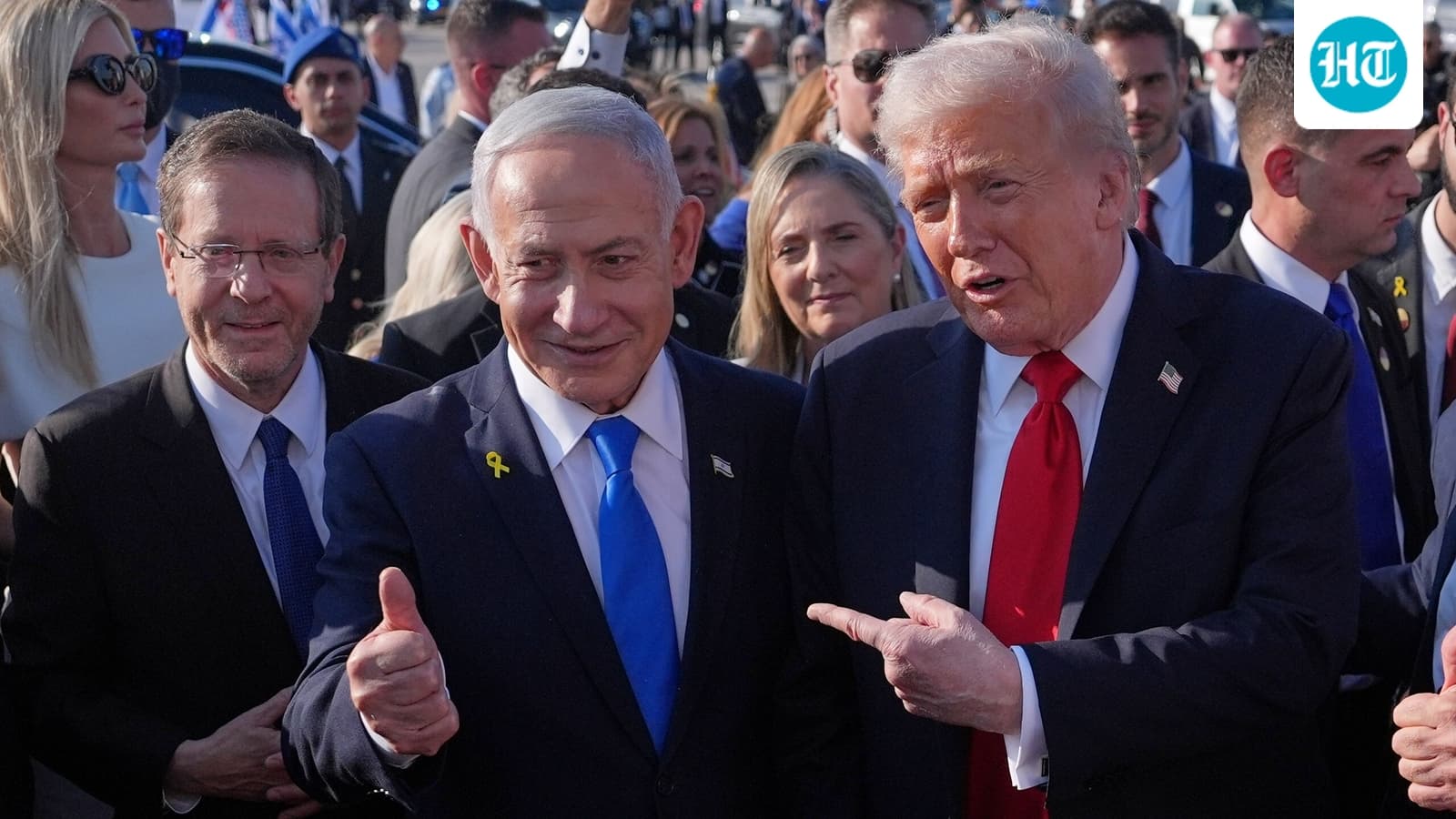
As the US President and the Israeli Prime Minister clash over the war in Iran, their once-unshakeable alliance is fraying under the weight of divergent domestic pressures.
The friction between Donald Trump and Benjamin Netanyahu has spilled out from behind closed doors, revealing a stark reality: the two leaders, once locked in a synchronized military alliance, are now operating on opposing strategic clocks. While President Trump is scrambling to secure a diplomatic deal with Iran to stem regional instability and manage mounting criticism back home, the Israeli Prime Minister appears to be banking on continued military engagement to stay politically afloat. The tension reached a boiling point this week, with reports confirming that Trump warned Netanyahu he could soon find himself “on his own” if the relentless strikes on Lebanon and Iran continue to derail U.S.-led peace efforts.
A collision of agendas
For Netanyahu, the ongoing conflict is widely viewed as a lifeline, a way to consolidate domestic support as his internal standing wanes. Conversely, the U.S. President finds himself in a tightening corner. Trump has publicly framed himself as a "wartime president" while working in lockstep with his Israeli counterpart, yet he is now signaling that his patience for the current military campaign is wearing thin. The U.S. administration is pushing for a ceasefire, fearing that a wider conflagration will not only sink his diplomatic objectives but also disrupt energy flows and escalate global economic fallout.
The art of the threat
The dynamic between the two is a classic study in shifting power. In recent phone calls and private meetings, Trump has been blunt, reportedly even using colourful language to express his frustration that Israel's military actions are hindering his ability to negotiate a nuclear deal with Tehran. Despite this, the public front remains carefully curated. Netanyahu, ever the political tactician, recently handed Trump a Nobel Peace Prize nomination—an accolade the President has long coveted—in a classic piece of political theatre intended to keep their partnership intact even as the President threatens to withhold future support.
Why it matters
The bigger picture here is the fragility of the U.S.-Israel relationship when domestic political survival is at stake. The pattern is clear: Trump wants a quick win, a "deal" that justifies his foreign policy approach, while Netanyahu requires a state of perpetual crisis to deflect from his own dwindling popularity at home. If this divergence continues, the "special relationship" might shift from a strategic asset into a liability for both. The real risk for the region is that if these two leaders cannot align their timelines, the resulting policy vacuum may lead to more aggressive, uncoordinated military action that neither Washington nor Jerusalem can effectively control.
Unclear paths forward
As negotiations continue in Washington, the path to a lasting ceasefire remains murky. While Trump has repeatedly claimed that conditions for a deal are being met, Israeli officials remain hesitant, arguing that stopping now would grant Iran a strategic advantage. Whether Netanyahu can maintain his influence over the White House—or whether Trump will truly follow through on his threats to cut ties—remains the central question of the current geopolitical climate. For now, the world is watching to see if the dealmaker can rein in the wartime leader, or if their mutual need for political survival will push the region further into the abyss.
Business Desk at PoliticalPedia covers economy & markets for an Indian audience in English and Hindi.