The Tech Giants’ Dilemma: Why Meta and Google Can’t Proactively Remove Courtroom Videos
'Can't Proactively Remove Courtroom Videos': Meta, Google To Delhi High Court
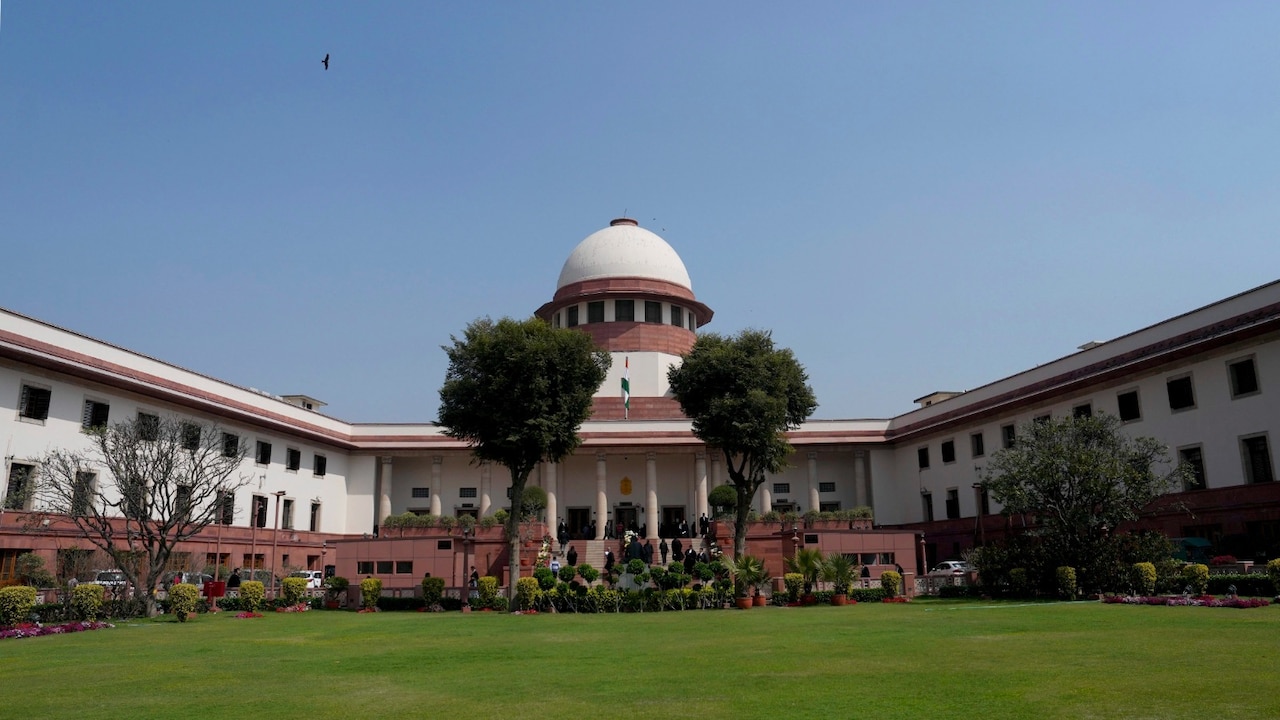
The Delhi High Court is weighing the limits of platform responsibility as tech giants push back against the burden of filtering judicial proceedings.
The courtroom is a space of solemnity, but in the age of viral clips, it has increasingly become content. As the Delhi High Court examines a Public Interest Litigation (PIL) seeking tighter controls on unauthorized footage of legal proceedings surfacing online, the response from global tech giants has been blunt: they cannot act as the internet’s permanent, automated filter.
In recent filings, both Meta and Google have told the Delhi High Court that they cannot proactively remove courtroom videos. The companies argue that the sheer volume of content uploaded every second makes real-time monitoring and censorship of specific legal clips an operational impossibility. For these platforms, the burden of policing every frame of video—to check if it originated from a courtroom—would require a level of surveillance that they maintain is beyond their current technological and legal mandate.
The "Super Censor" Argument
The argument from the Silicon Valley majors is rooted in the practical reality of scale. Google, specifically addressing the vast repository of its subsidiary YouTube, has noted that it cannot be expected to "police" every piece of content for unauthorized judicial footage. Meta echoed similar sentiments, effectively telling the court that they cannot act as a "super censor."
Their stance is that while they are committed to complying with legal takedown orders—the standard procedure when a court specifically identifies infringing material—the shift toward proactive, preemptive removal is a different animal entirely. To identify these videos without human intervention would require sophisticated AI filters that could easily overstep, accidentally removing legitimate news, commentary, or public interest documentation.
The Bigger Picture
Why does this matter? The standoff underscores a growing friction between the judiciary’s desire for decorum and the open-access nature of the digital age. When a video of a hearing goes viral, it often travels faster than any court order can catch it.
If the court were to force platforms to monitor these proceedings proactively, it would set a massive, potentially unmanageable precedent. It would essentially transform private tech companies into judicial extensions, forced to make split-second decisions on legal nuances they aren't equipped to interpret. This isn't just about copyright or privacy; it’s about where the line between a platform’s duty to follow the law and its right to host user-generated content lies. For now, the court is left to decide whether to push for stricter compliance or accept that in a digital-first world, the genie of viral courtroom moments simply cannot be put back in the bottle.
Kabir Sharma writes on culture, technology and everyday life for PoliticalPedia.