The Silent Winners: How India’s AI Infrastructure Plays are Defying a Bearish Market
AI infrastructure bets outshine weak Indian stock markets in 2026
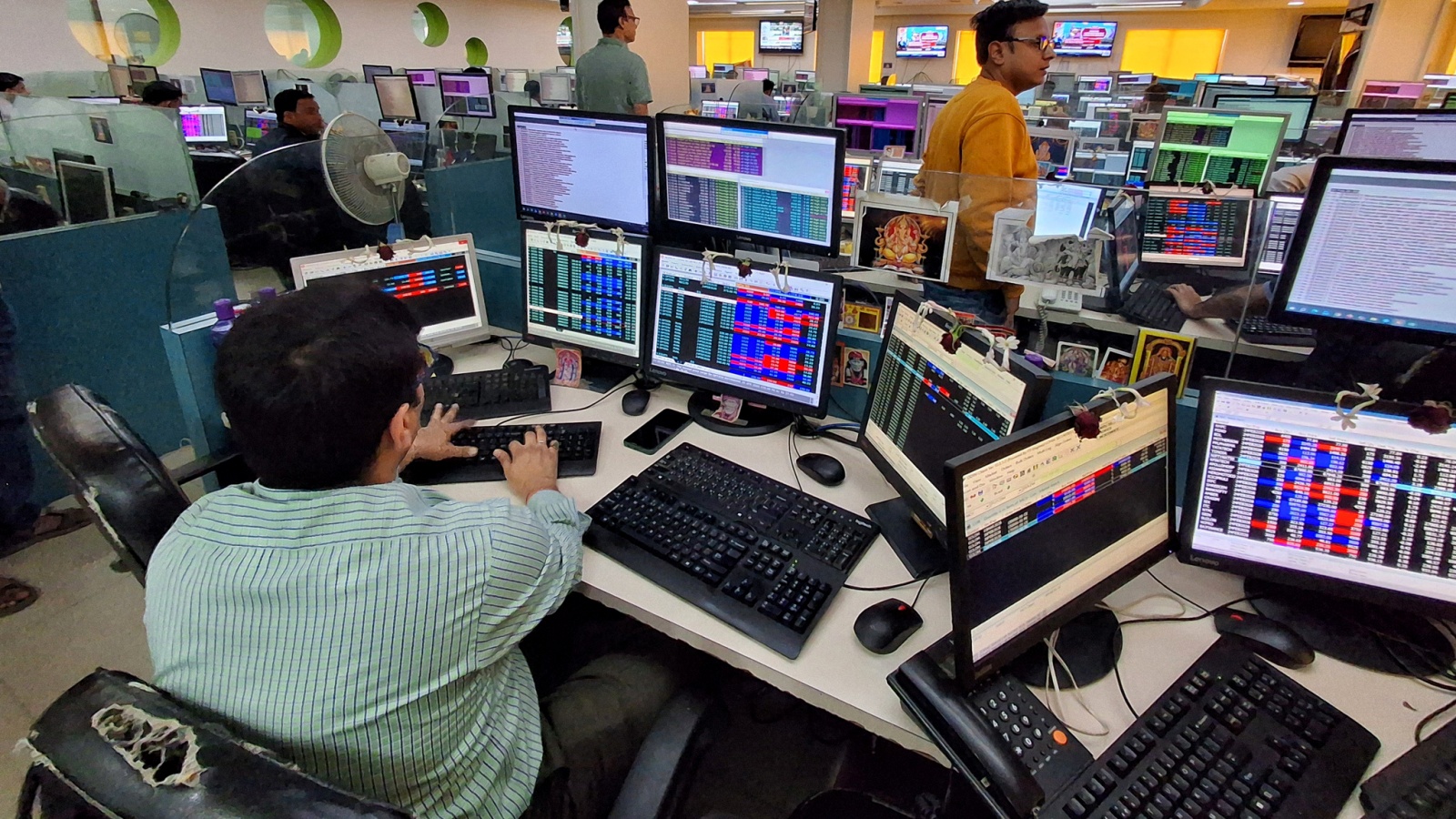
While Foreign Institutional Investors pull back from Indian equities, a niche segment of hardware and energy suppliers is clocking double-digit gains by powering the digital age.
The mood on Dalal Street hasn't been this sombre in a while. As record selling by Foreign Institutional Investors (FIIs) drags the broader market down by 8-10% this year, most retail portfolios are nursing deep wounds. Yet, amidst the red, a select group of companies is thriving. These aren't your typical tech giants, but the builders of the physical backbone—the companies laying the cables, powering the massive data centres, and manufacturing the specialty chemicals that make the modern semiconductor industry tick.
Building the Hardware Backbone
The surge in valuation for firms like Acutaas Chemicals and CG Power and Industries Solutions offers a clear signal: the market is rewarding companies with tangible links to the global semiconductor supply chain. Surat-based Acutaas, for instance, has seen its shares climb 93% this year. Their play is niche but essential—specialty photoresist chemicals required for semiconductor circuits. By acquiring a majority stake in South Korea’s Indichem Inc. earlier this year, they’ve signalled a serious intent to capture a larger slice of the global market.
Similarly, CG Power is pivoting hard into the chip ecosystem. Through its subsidiary, CG Semi, the firm is operationalising a high-end OSAT facility in Sanand, Gujarat. By forging strategic partnerships with Thai and Japanese semiconductor players and housing radio frequency chip design capabilities in Bengaluru through Axiro Semiconductor, they have moved beyond being a mere industrial player to becoming a core infrastructure partner for the digital future.
The Energy-Data Nexus
It isn't just about silicon; it’s about the voltage required to keep the lights on in our rapidly growing data centres. These facilities are ravenous for power, and the market is betting heavily on the firms that can deliver it reliably. GE Vernova India, Hitachi Energy India, and Quality Power have all posted gains between 61% and 86% this year. Management at GE Vernova has been vocal about this shift, noting that the demand for data centres allows for better price realisation on their standard power equipment.
This boom is creating a ripple effect through the entire electrical supply chain. When a data centre is commissioned, it requires a massive overhaul of transmission and distribution networks. This has been a windfall for cable and wiring manufacturers like Polycab India and RR Kabel, with shares jumping 25-71%. Industry estimates suggest that for every hundred rupees spent on transmission and distribution infrastructure, nearly a fifth is channelled directly into high-quality cabling—a lucrative tailwind for these domestic companies.
The Bigger Picture
Why does this matter? The current market trend suggests a fundamental decoupling between the broader indices and companies that provide the nuts and bolts of the digital economy. While the general stock market is struggling with macro headwinds, the "infrastructure for innovation" sector is proving to be a hedge. Investors are effectively ignoring the noise and betting on the physical necessities of the next decade. If this momentum holds, it suggests that India’s path to becoming a global tech hub will be paved not just by software exports, but by the companies that provide the electricity, the specialized chemicals, and the transmission lines that keep the servers humming.
Ananya Iyer covers global affairs with an Indian lens for PoliticalPedia.