The Shrinking Funnel: Why Fewer UPSC Candidates Made It To The Mains This Year
UPSC Prelims result: Why fewer candidates made it to the Mains this year
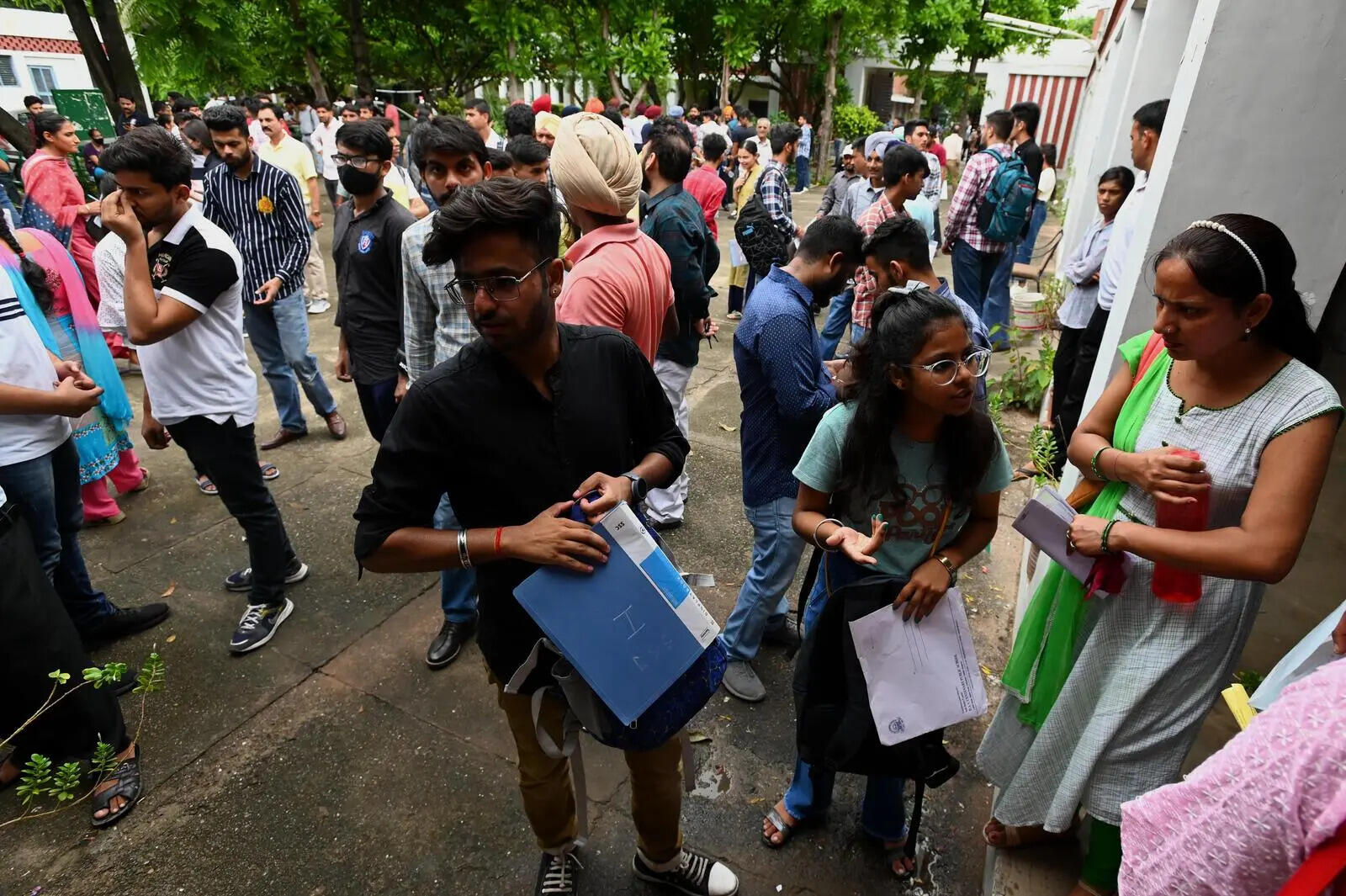
As the UPSC releases the 2026 results, a marked drop in the number of qualifiers points to a tougher road ahead for aspirants eyeing the civil services.
The silence in the reading rooms of Old Rajinder Nagar and Mukherjee Nagar was broken this week not by the usual hum of debate, but by the sharp reality of the latest UPSC scorecard. When the Union Public Service Commission (UPSC) published the results for the 2026 Preliminary examination, the numbers revealed a sobering trend: the path to the Mains has become significantly narrower.
For the Civil Services Examination, 13,343 candidates have been shortlisted—a noticeable dip from the 14,161 who made the cut last year. The shift is even more pronounced for the Indian Forest Service (IFoS). In a dramatic contraction, only 1,046 candidates qualified for the IFoS Mains this year, nearly half the 2,116 who cleared the hurdle in 2025. This tightening of the selection funnel comes as the commission works through 1,016 civil services vacancies, down from 1,087 the previous year.
The Bigger Picture: Why It Matters
This isn't just about a smaller list of names; it reflects a deliberate, more selective approach by the commission. With the number of vacancies experiencing a slight decline, the UPSC appears to be calibrating its intake strategy. For the lakhs of aspirants who appear for the exam every year, this surge in selectivity forces a hard look at preparation tactics. Experts are already speculating whether this indicates a higher cut-off or a more rigorous evaluation process that prioritizes precision over raw volume.
The unpredictability of the Prelims remains the most daunting phase of the entire recruitment cycle. For those who did make the cut, the celebration is brief. The UPSC has set a tight window—June 19 to June 28—for candidates to complete the Detailed Application Form (DAF). Even if a candidate has no changes to report, the process is mandatory. Missing this administrative step effectively disqualifies a successful aspirant from receiving an e-Admit card for the Main examination.
This year’s results land against a broader backdrop of intense scrutiny regarding the UPSC process. From ongoing parliamentary discussions about the CSAT paper to the evolving nature of candidate participation, the civil services examination remains a high-stakes, high-pressure arena. For the thousands moving forward, the focus now shifts entirely to the Mains—a stage where the depth of knowledge will be tested far more severely than the speed required in the Prelims.
Rohan Gupta covers the economy, markets and companies for PoliticalPedia.