The Shafali Solution: How India Plans to Solve its World Cup Selection Puzzle
Trust Shafali, the bowler: Nasser offers 'safety valve' to India's balance problem
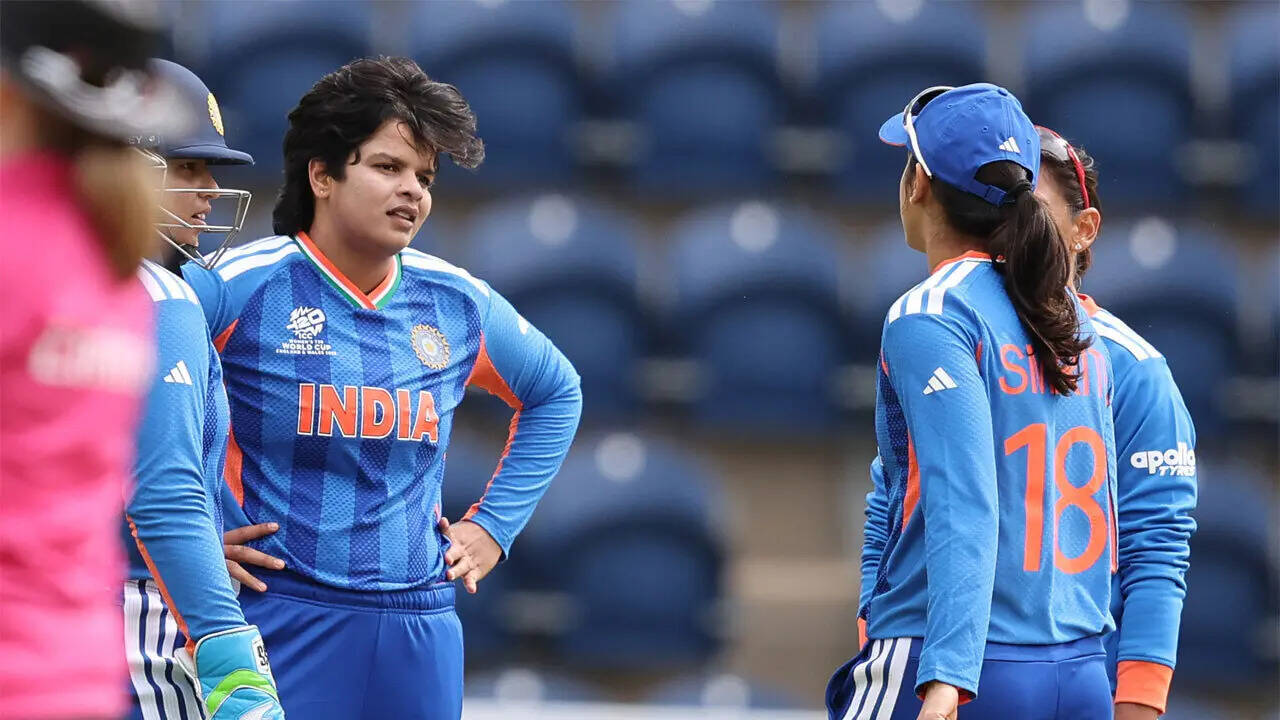
As the Women’s T20 World Cup returns to England, India’s quest for glory hinges on balancing a power-packed batting lineup against the tactical void left by key injuries.
The memories of 2017 are still vivid—that soaring semi-final at Derby where Harmanpreet Kaur’s 171 changed the trajectory of Indian women’s cricket forever. Now, as the team returns to England for the 2026 T20 World Cup, the stakes have shifted. Harmanpreet is no longer just a contender; she is a World Cup-winning captain, having led the side to their maiden ODI trophy in Navi Mumbai last year. With the Lord's final set for July 5, the mission is clear, but the path is complicated by a selection crisis.
The absence of seam-bowling all-rounders Amanjot Kaur and Kashvee Gautam has left a glaring hole in the team’s composition. Ideally, India would have leaned on one of them to provide the seam option while anchoring the middle order. Without them, the management faces a binary choice: bolster the batting depth or gamble on an additional specialist bowler. It is a tactical tightrope that could define their campaign against a group featuring Australia, Pakistan, South Africa, Bangladesh, and the Netherlands.
The Nasser Prescription
Former England captain Nasser Hussain, speaking at the JioStar Media Day, has offered a pragmatic way out of this selection gridlock. Hussain is clear: trust Shafali Verma to provide the necessary cover. He advocates for a batting-heavy approach, suggesting that India shouldn't sacrifice their firepower to chase an extra bowling slot.
"Personally, I would play the extra batter. I would pack my batting," Hussain noted. His logic rests on Shafali’s versatility, which he labels a "safety valve." He points to the recent 50-over World Cup final as evidence, where Shafali was drafted into the squad and immediately delivered both runs and crucial wickets. By using her as a part-time bowling option, India can maintain their aggressive batting intent without compromising on their defensive requirements.
Strength in Depth
While the all-rounder dilemma dominates the headlines, the batting unit remains formidable. The return of Bharti Fulmali has been a massive boost to the squad's firepower. After a seven-year hiatus, her resurgence in the WPL has been nothing short of clinical; among Indian batters who have tallied at least 250 runs over the 2025 and 2026 seasons, only Richa Ghosh has maintained a sharper strike rate than Fulmali’s 159.5. With experienced heads like Deepti Sharma, Renuka Singh, Kranti Goud, and Shree Charani rounding out the bowling attack, the raw talent is undeniably present.
The Bigger Picture
This tournament is more than just a quest for another trophy; it is a test of India’s adaptability in the post-Navi Mumbai era. The reliance on part-time solutions like Shafali highlights a shift in how modern T20 teams manage their squad balance. When specialist all-rounders are sidelined, the burden of flexibility falls on the top-order batters. If India can successfully integrate this "safety valve" strategy, it could provide a blueprint for how they navigate high-pressure conditions in England, where the overheads and pitch behavior often demand constant tactical pivots.
Ananya Iyer covers global affairs with an Indian lens for PoliticalPedia.