The 'Satluj' Standoff: Why the Diljit Dosanjh Film Vanished from ZEE5
Diljit Dosanjh's 'Satluj' released without certification process being completed: Centre
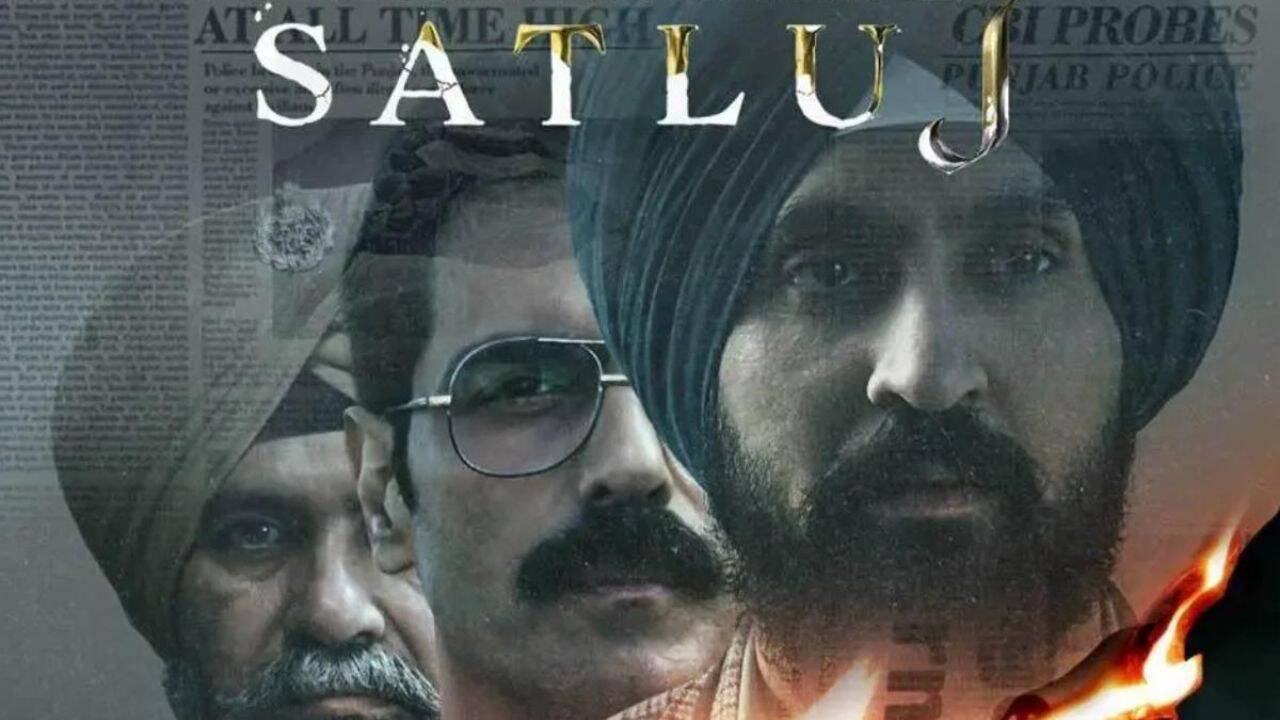
Just 48 hours after its quiet digital debut, the Diljit Dosanjh starrer 'Satluj' has been pulled from ZEE5, reigniting a fierce debate over censorship and the limits of artistic expression.
The digital release of Satluj—a film chronicling the life of human rights activist Jaswant Singh Khalra—was meant to be the end of a four-year struggle for director Honey Trehan and his team. Instead, it became the latest flashpoint in an escalating battle between creators and the state. After appearing on ZEE5 last Friday, the film, which has undergone multiple title changes from its original moniker Punjab ’95 and earlier, Ghallughara, was swiftly yanked from the platform. The reason, according to the Union Ministry of Information and Broadcasting, is a procedural breach: the centre maintains that the film was released on an OTT platform without the mandatory certification required for public viewing.
The government’s stance is firm. Officials from the I&B Ministry claim that the Central Board of Film Certification (CBFC) had suggested nearly 100 to 127 cuts to the project, yet the makers bypassed this process entirely. By changing the title and opting for an OTT release, the ministry alleges that the filmmakers circumvented the legal framework, specifically violating the Information Technology (Intermediary Guidelines and Digital Media Ethics Code) Rules, 2021. According to the state, no representation or appeal for reconsideration was ever filed by the production team before the movie hit the streaming service.
A Trail of Censorship
For the creative team, the move feels less like a procedural correction and more like a targeted suppression. Screenwriter Niren Bhatt has publicly questioned the "pin-drop silence" surrounding the project, noting that for years, the CBFC offered no clear dialogue on why the film was being stonewalled. To the filmmakers, the sudden takedown—triggered by what ZEE5 termed "current developments"—is a clear signal that someone in the establishment has a fundamental problem with the narrative.
Political reactions have been equally sharp. Senior Congress leader Pargat Singh was quick to call out what he described as an "assault on truth," drawing a pointed comparison between the treatment of Satluj and other films that the ruling BJP has historically supported. He argued that while "propaganda" films are actively encouraged during election cycles, stories dealing with uncomfortable realities, such as human rights violations, are being relegated to the shadows of censorship.
Why It Matters: The Bigger Picture
This incident highlights a growing, uncomfortable friction between India’s digital streaming landscape and the regulatory oversight of the state. When a high-profile Diljit Dosanjh project—backed by a major platform like ZEE5—is removed within two days of its debut, it sends a chilling message to the independent film industry. The "certification vs. censorship" debate is no longer limited to the cinema hall; it has moved into the living room, where the government’s power to enforce "security concerns" is increasingly at odds with the creative autonomy of digital creators.
The case of Satluj is likely a harbinger of more friction to come. As the ministry continues to assert its authority over online content, the path for political and historical dramas becomes narrower. For now, the Dosanjh starrer remains in limbo, with the platform stating it is "exploring every appropriate avenue" to return the film to audiences. Whether this becomes a precedent for future digital takedowns or a rare instance of bureaucratic overreach remains to be seen.
Priya Nair covers parties, elections and the business of power for PoliticalPedia.