The Samba Gamble: Can Carlo Ancelotti End Brazil’s 24-Year World Cup Wait?
Carlo Ancelotti has restored belief, but can Brazil end 24-year World Cup drought?
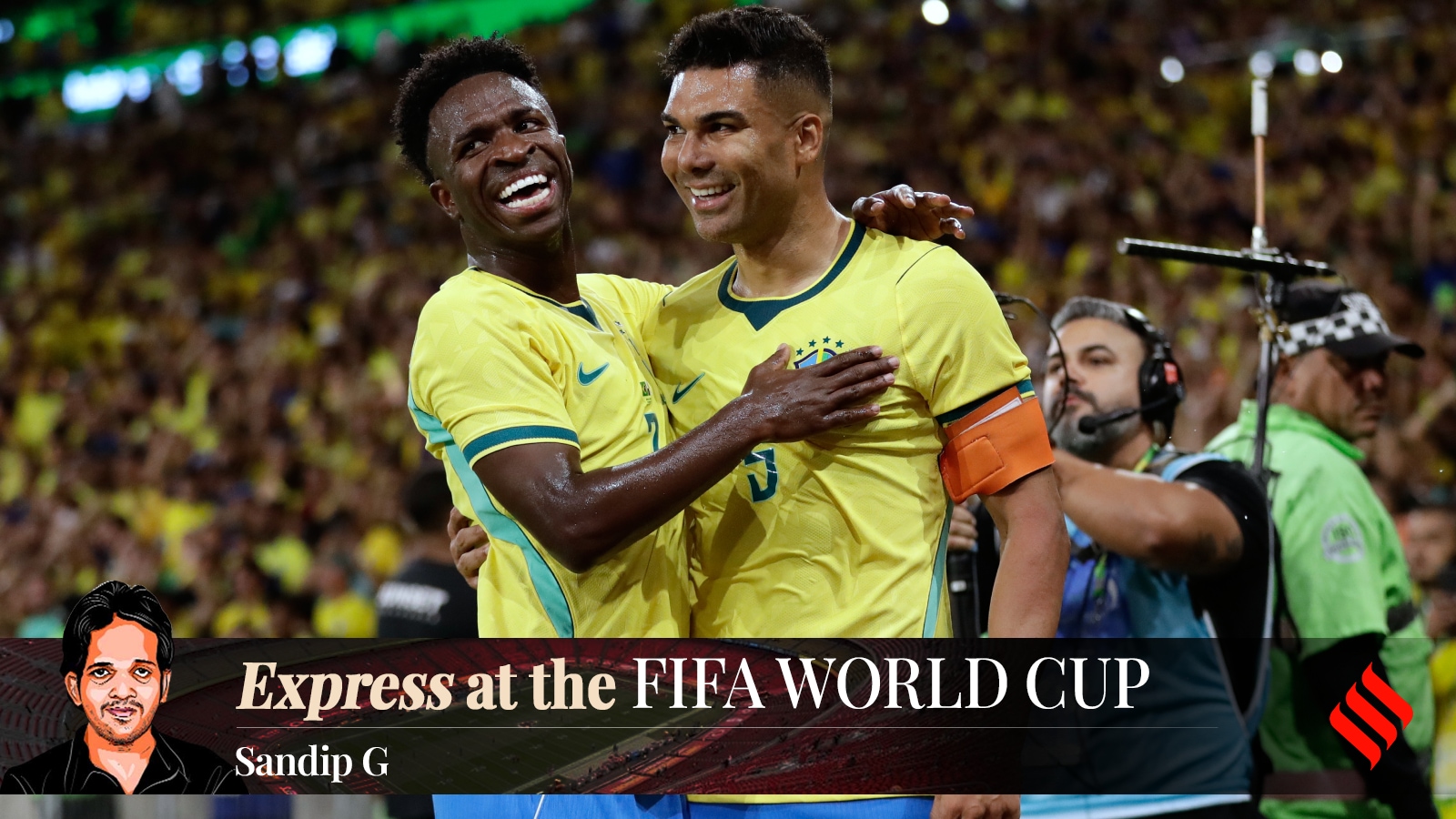
As the Seleção land in New Jersey, they carry the weight of a nation desperate to break a quarter-century hoodoo under the pragmatic guidance of an Italian tactician.
In the sweltering heat of Mexico City, a group of fans in canary yellow shirts isn’t just killing time before the opening ceremony; they are on a pilgrimage. For these Brazilians, stopping at the Azteca—the site of their legendary 1970 triumph—is a superstitious necessity. They believe in the alignment of the stars: just like in 2002, the tournament is being co-hosted, and just like the 24-year cycle that defined their last great drought, the universe seems to be whispering that their time has returned. But as the Seleção prepare for their first match against Morocco in New Jersey, the romanticism of the fans meets a colder, harder reality.
The Ancelotti Effect
Enter Carlo Ancelotti, the man tasked with resurrecting a squad that hit rock bottom during a dismal qualifying campaign. Ancelotti has brought a clinical European edge to a team historically defined by flair. He has tempered the dressing room’s volatility and implemented a high-risk, high-reward tactical shift, famously deploying a front four reminiscent of the golden eras. Players like Vinicius Jr. have spoken openly about an "evolution" in the team's mindset, crediting Ancelotti for sharpening their focus. Yet, the manager’s reliance on a fading Neymar remains a gamble that has split opinion across the footballing world.
A Legacy of Unease
Despite the optimism, the numbers paint a sobering picture. Since their last title, Brazil has drifted away from the tactical rigor seen in top European sides. They have struggled to replace the legendary full-backs of yesteryear—a decline so pronounced that even Roberto Carlos has publicly lamented the lack of depth in the position. Ancelotti has been forced to scour everywhere from Moscow to Riyadh to assemble a defensive unit, further hampered by the late withdrawal of AS Roma’s Wesley. The ghosts of the 7-1 thrashing against Germany still haunt the national psyche, leaving the team to grapple with a reputation for freezing in high-pressure, clutch moments.
Why It Matters
This campaign is more than just a quest for a sixth star; it is an existential test for the world’s most successful footballing nation. For decades, Brazil has relied on individual brilliance to paper over cracks in organizational structure. By hiring Ancelotti, the Brazilian Football Confederation has signaled an admission that talent alone is no longer enough. If Ancelotti succeeds, he cements himself as a miracle worker who bridged the gap between Joga Bonito and modern efficiency. If they falter, the result could trigger a painful, top-to-bottom restructuring of how Brazil develops its talent. The "cursed" label is heavy, but for a nation that views the World Cup as its birthright, winning ugly is far better than losing with style.
Ananya Iyer covers global affairs with an Indian lens for PoliticalPedia.