The Red Card U-Turn: Why FIFA’s Balogun Pardon Has Shaken the World Cup
'It absolutely stinks': Football world erupts over Trump's role in FIFA's Balogun U-turn
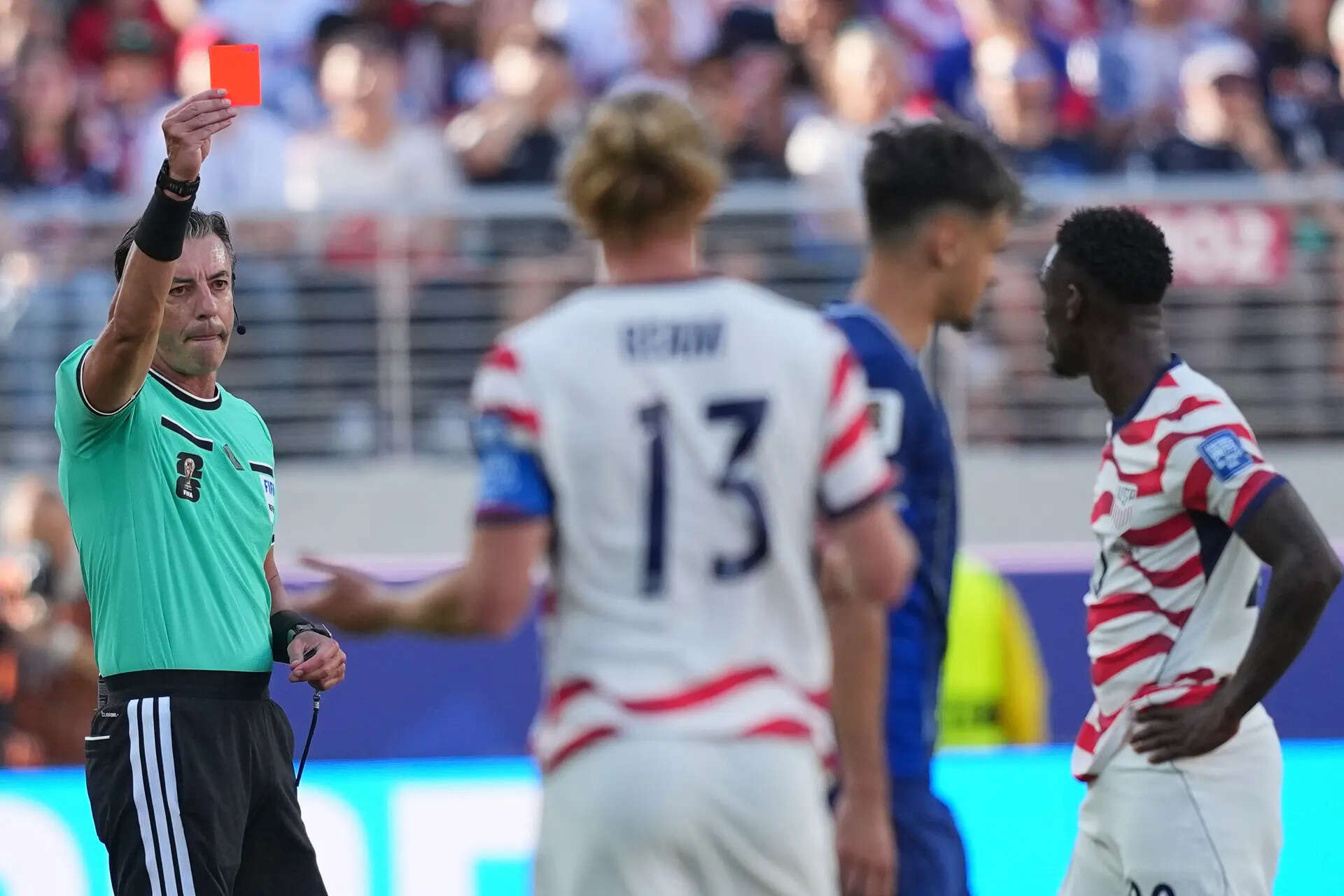
A controversial reversal of a suspension for US striker Folarin Balogun following presidential intervention has sparked an international uproar over the integrity of the 2026 tournament.
The silence of a stadium is one thing; the sound of a governing body buckling under political pressure is quite another. When Folarin Balogun caught Tarik Muharemovic on the ankle during the United States’ 2-0 win over Bosnia and Herzegovina, the red card seemed like a straightforward application of the rules. But in the high-stakes theatre of the 2026 World Cup, simple officiating has become a casualty of geopolitics. By overturning the automatic one-match ban for the US team's top scorer just days before their clash with Belgium, FIFA has managed to turn a routine disciplinary matter into a full-blown scandal.
The optics were worsened by Donald Trump’s public gratitude toward FIFA for correcting what he termed a "great injustice." For a sport that prides itself on being an autonomous ecosystem, the sight of a US President claiming victory over a referee’s decision has left rival teams fuming. The Belgian camp, in particular, hasn't held back. Coach Rudi Garcia didn't mince words, quipping that he didn't realize the FIFA offices considered July 5th to be April Fools' Day.
The Integrity Crisis
This isn't just about one player missing a match; it’s about the precedent. England manager Thomas Tuchel, never one to shy away from a tactical debate, has questioned where this interventionism ends. If a red card can be erased because of external noise, what happens to the next controversial call? Norway’s Ståle Solbakken echoed this unease, warning that the ruling invites a future of total confusion for players and officials alike.
The Royal Belgian Football Association (RBFA) is currently exploring legal avenues, signaling that this fight may move from the pitch to the Court of Arbitration for Sport. Their argument is simple: they aren't just defending their own chances against the Americans; they are defending the fundamental principles of fair play. When a ruling is perceived as having been influenced by powerful political figures, the sport loses the one thing it cannot afford to gamble with—its perceived neutrality.
Why it matters
The bigger picture here points to an uncomfortable collision between the global nature of football and the domestic political interests of host nations. FIFA has long struggled to balance its commercial partnerships with its disciplinary mandates, but rarely have those two worlds clashed so publicly. The Balogun decision creates a "slippery slope" scenario. If the governing body shows it is susceptible to lobbying from heads of state, it effectively undermines the authority of its own referees on the field.
In the eyes of the global footballing community, the damage to FIFA's reputation may already be done. Whether or not the intervention was truly political, the perception—that the rules can be bent to suit the hosts—is now firmly rooted. As the tournament moves into the high-pressure knockout phase, every refereeing decision will now be viewed through a lens of suspicion. FIFA has succeeded in keeping their star striker on the pitch, but they may have sacrificed the very credibility that keeps the World Cup fair.
Kabir Sharma writes on culture, technology and everyday life for PoliticalPedia.