The Recurring Heartbreak: Harmanpreet Kaur’s Blunt Reality Check After World Cup Exit
Harmanpreet Kaur's Big Statement After India's Heartbreaking T20 World Cup Elimination
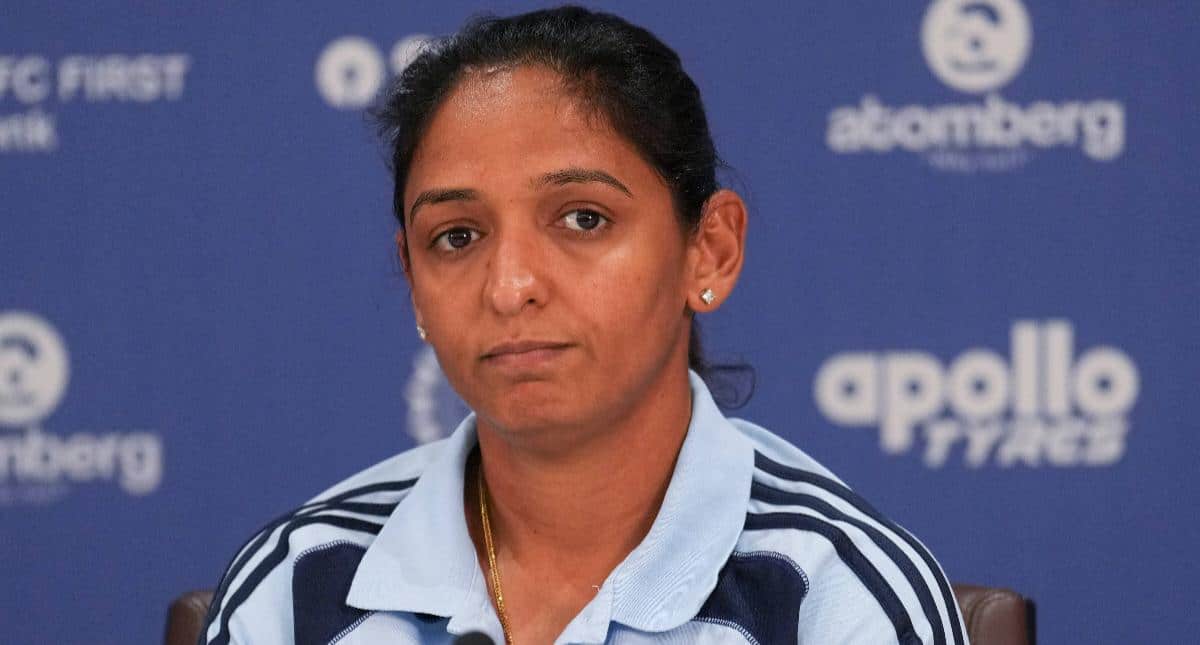
India’s T20 World Cup elimination against Australia has reignited long-standing questions about the team’s inability to close out high-stakes matches.
The silence in the dressing room after the six-wicket loss to Australia was heavy, a familiar weight that has become far too common for Indian cricket fans. While the team posted a fighting total of 170—anchored by a defiant 56-run knock from captain Harmanpreet Kaur—it wasn't enough to stop the Australian juggernaut from clinching a spot in the semi-finals. This heartbreaking world cup elimination marks another missed opportunity for a side that remains perched just on the edge of global dominance, but never quite in the center.
A Pattern of Big-Match Blues
Harmanpreet Kaur’s big statement after India’s elimination offered little sugar-coating. She pointed to a fundamental struggle that transcends individual talent: the inability to perform at the absolute peak when the pressure is at its zenith. "When you face the top teams, you have to be at your very best," the skipper acknowledged. Her assessment was candid, noting that while the team stayed in the contest for long periods, they lacked the clinical edge required to stifle a side as methodical as Australia.
For those tracking the sport, this isn't a new script. From the men’s side to the women’s and the U-19 ranks, Indian cricket has developed a troubling trend of faltering at the business end of ICC tournaments. It is no longer just about a bad day at the office; it is about recurring issues—leaked runs at the death, a stagnant scoring rate during chases, and, crucially, the "big-match" nerves that manifest in dropped catches and tactical errors.
The Analysis: Why It Matters
The bigger picture here is about the chasm between domestic potential and international conversion. India’s cricket infrastructure is arguably the best in the world, yet the transition of that dominance into silverware remains stalled. The team’s reliance on individual brilliance—like Harmanpreet’s knock in this must-win clash—often masks systemic gaps in middle-order planning and death-overs execution.
If the management doesn't address these structural failures before the next tournament, the cycle of "so close, yet so far" will only harden. The criticism, as some voices in the media have pointed out, is often unevenly distributed, yet the internal demand for accountability within the squad suggests the players themselves are tired of the heartbreak. The 2026 campaign was supposed to be the one where the team finally crossed the threshold; instead, it served as a brutal mirror.
Looking Ahead
Harmanpreet’s call for a total overhaul of planning against quality opposition is a direct challenge to the team’s coaching and support staff. The era of playing "good" cricket is clearly over; the team now needs to be "ruthless." Whether this leads to a shift in team selection or a change in the tactical philosophy, the pressure is mounting. After another exit, the team has little room left for excuses. The world of cricket moves fast, and for India, the wait for that elusive trophy continues to test the patience of a nation that expects nothing less than victory.
Priya Nair covers parties, elections and the business of power for PoliticalPedia.