The 'Ratcliffe Problem': Why the Biggest Iran Obstacle for Trump is Inside the White House
Trump's Obama Moment? Why US President's Biggest Iran Obstacle May Be Inside The White House
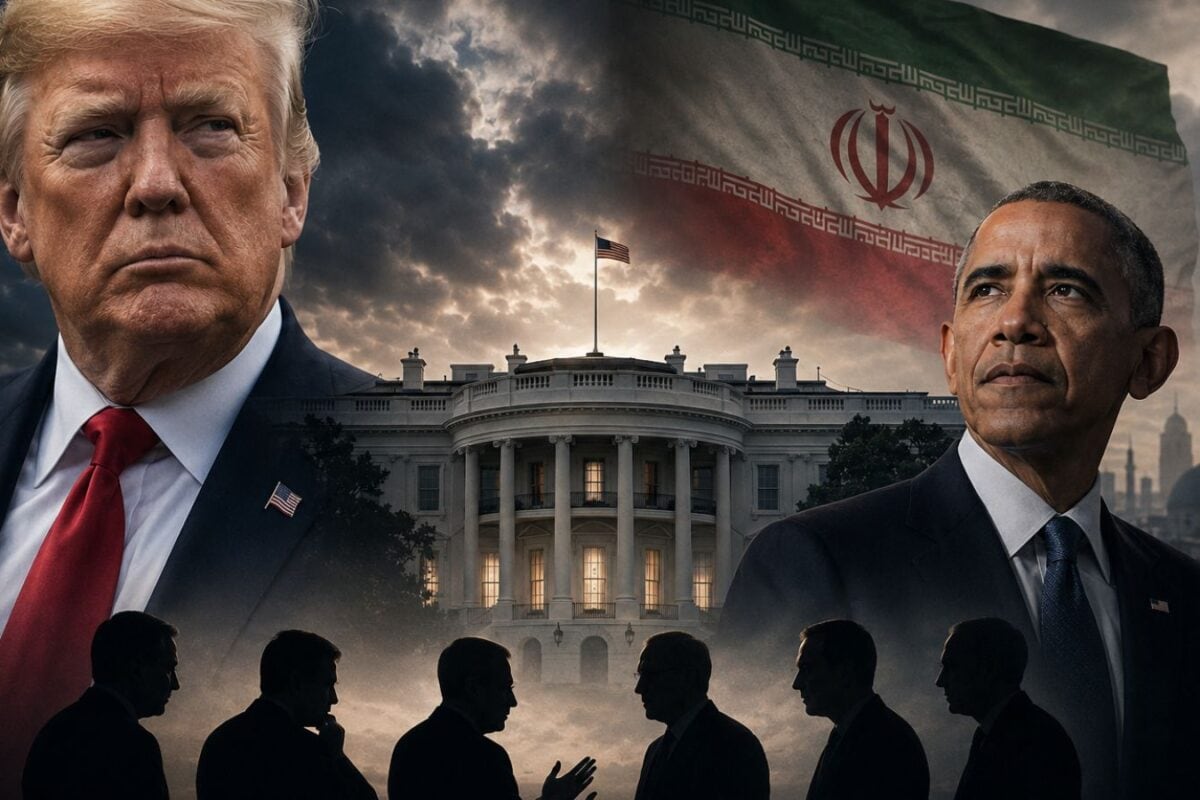
As peace talks stutter, a deep ideological rift within the West Wing threatens to derail Donald Trump’s ambitious effort to curb Tehran’s nuclear ambitions.
The corridors of the White House are currently a battleground of competing visions for the Middle East. While the world watches the oscillating prices of oil and the fragile diplomatic shuttle missions, the real friction isn't happening in the Strait of Hormuz, but in the Situation Room. Donald Trump is facing his own "Obama moment"—a high-stakes push for a landmark deal that is being aggressively challenged, not by the opposition party, but by his own national security inner circle.
At the heart of the tension is what insiders have dubbed the "Ratcliffe Problem." CIA Director John Ratcliffe has emerged as the most vocal sceptic of the administration’s current trajectory, arguing that the intelligence does not support the hope that Tehran will ultimately honour the nuclear concessions Washington is demanding. He isn't alone; Secretary of State Marco Rubio and Defence Secretary Pete Hegseth are reportedly echoing these fears, cautioning that the administration risks surrendering its leverage before a binding agreement is even signed.
The Divided Camp
On the other side of the divide sit the architects of the current framework: Vice-President JD Vance, envoy Steve Witkoff, and advisor Jared Kushner. They are pushing a "Team Deal" strategy, arguing that after months of volatility and economic strain, a negotiated settlement is the only path to de-escalation. Their logic is simple: the memorandum of understanding provides a vital 60-day window to lock in restrictions on Iran’s nuclear program, stabilize energy markets, and avert a full-scale regional war.
The diplomatic landscape, however, remains treacherous. Reports from the New York Times and other outlets highlight that the gap between the two sides hasn't narrowed enough to guarantee success, with recent 21-hour marathon sessions ending without a breakthrough. While Trump publicly denies any under-the-table payments to facilitate the deal, the lack of consensus within his own team makes it increasingly difficult for him to sell this initiative to a skeptical Congress or wary international allies.
Why it matters
The broader implication here is a classic executive dilemma: how does a president manage a foreign policy pivot when his primary intelligence and defence advisors fundamentally distrust the regime on the other side of the table? If Trump cannot resolve this internal deadlock, the "peace push" risks becoming a hollow exercise.
This isn't just about a single deal; it reflects a recurring pattern in the current administration’s approach to global hotspots, from Venezuela to the Middle East, where high-intensity pressure tactics often clash with the desire for a legacy-defining diplomatic win. For the president, the challenge is clear: he must either align his cabinet or risk being the latest leader to see his foreign policy ambitions crumble under the weight of his own administration's internal contradictions.
Arjun Mehta reports on government, policy and Parliament for PoliticalPedia, in English and Hindi.