The Price Tag Illusion: Why Your Dream Home Costs Much More Than the Brochure Says
Buying a home? Check 10 hidden costs beyond advertised property price
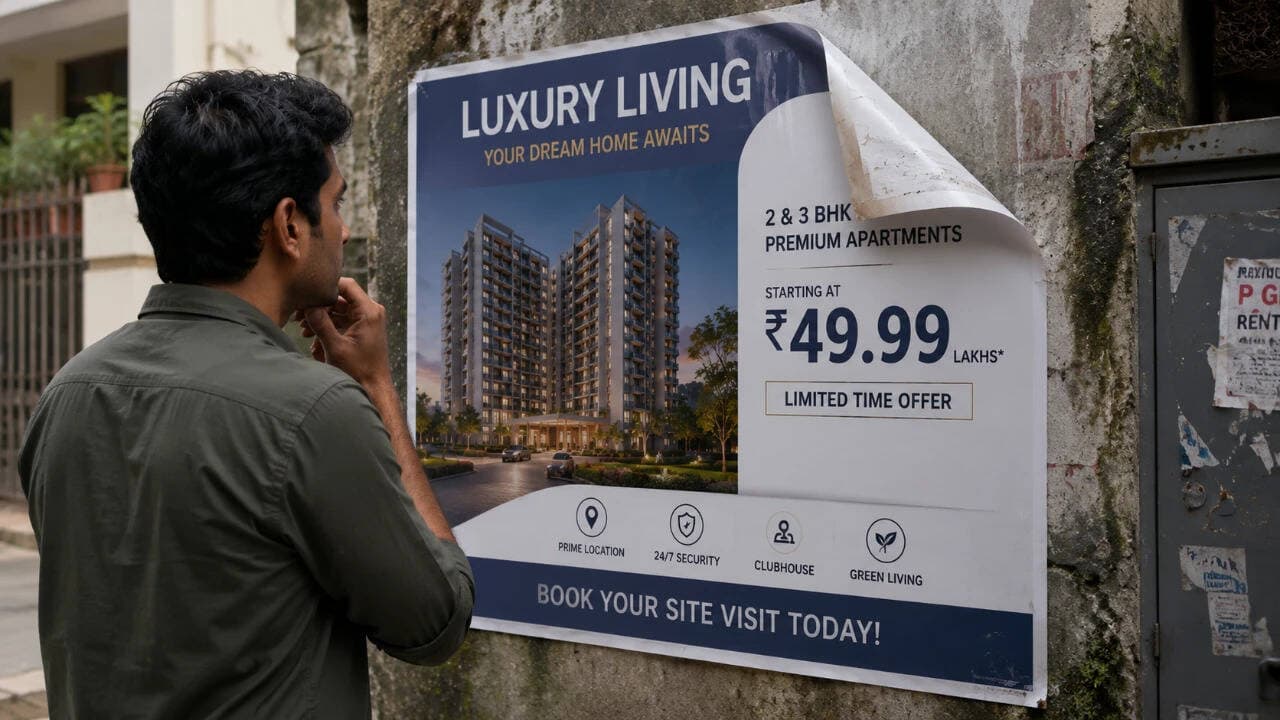
Before you sign that cheque, remember that the advertised sticker price is merely the opening act in a much longer, more expensive financial drama.
For many, the journey of buying a home begins with a glossy brochure and a seemingly clear price point. But once the excitement of the site visit fades, a different reality sets in. The final bill is rarely what you see on the billboard; it is a sprawling list of add-ons, government levies, and operational fees that catch first-time buyers off guard. Whether you are looking at a sleek high-rise in a bustling metro or a suburban villa, failing to check these hidden costs can turn a sound investment into a budgeting nightmare.
The Costs That Sneak Up on You
The most significant upfront expenses often start with the legal transfer of the property. Stamp duty and registration charges are not small change—they can climb as high as 10 per cent of the total value depending on your state and category. Then there are the builder-specific add-ons. In major hubs like Mumbai or Bengaluru, parking is rarely "included." You are essentially paying extra for the right to park your car, with costs fluctuating based on local demand. If you have your heart set on a penthouse view, prepare for "floor rise" charges, a premium often calculated on a per-square-foot basis that builders tack on for higher levels.
Financing the purchase brings its own set of surprises. Beyond your monthly EMI and interest rates, banks levy loan-processing fees—typically 0.25 to 1 per cent of the loan amount. Once you finally get the keys, the spending doesn’t stop. Shifting into a new home involves hiring movers, setting up utilities, and buying essentials, such as appliances and interior fixtures. These are often overlooked during the initial planning phase, yet they can easily drain a contingency fund within the first month.
The Recurring Reality of Ownership
Ownership also introduces ongoing financial obligations that don't exist when you are renting. Municipal authorities levy property taxes based on location, size, and usage, which must be paid annually without fail. Simultaneously, housing societies demand monthly maintenance charges to fund common facilities like lifts, gyms, and security. In premium developments, these can be substantial. Many societies also collect a one-time maintenance deposit at the start, an upfront hit that many buyers fail to account for when calculating their total liquidity.
The Bigger Picture: Why It Matters
This pattern of "hidden" pricing reflects a broader shift in the real estate market, where developers unbundle costs to keep base prices looking attractive on paper. While this makes it easier to market properties across competitive regions like Malaysia or India, it places the burden of due diligence squarely on the buyer. When you subtract these extra layers, the "affordable" label often loses its meaning. The implications are clear: a buyer who calculates only the mortgage affordability without factoring in these peripheral costs risks being "house-poor"—owning a high-value asset while struggling to meet the day-to-day cash flow requirements of maintaining it.
Features Desk at PoliticalPedia covers culture, tech & life for an Indian audience in English and Hindi.