The Politics of the Octagon: Why Sean Strickland’s White House Snub has become a Flashpoint
Why Sean Strickland was banned from UFC Freedom 250 at the White House
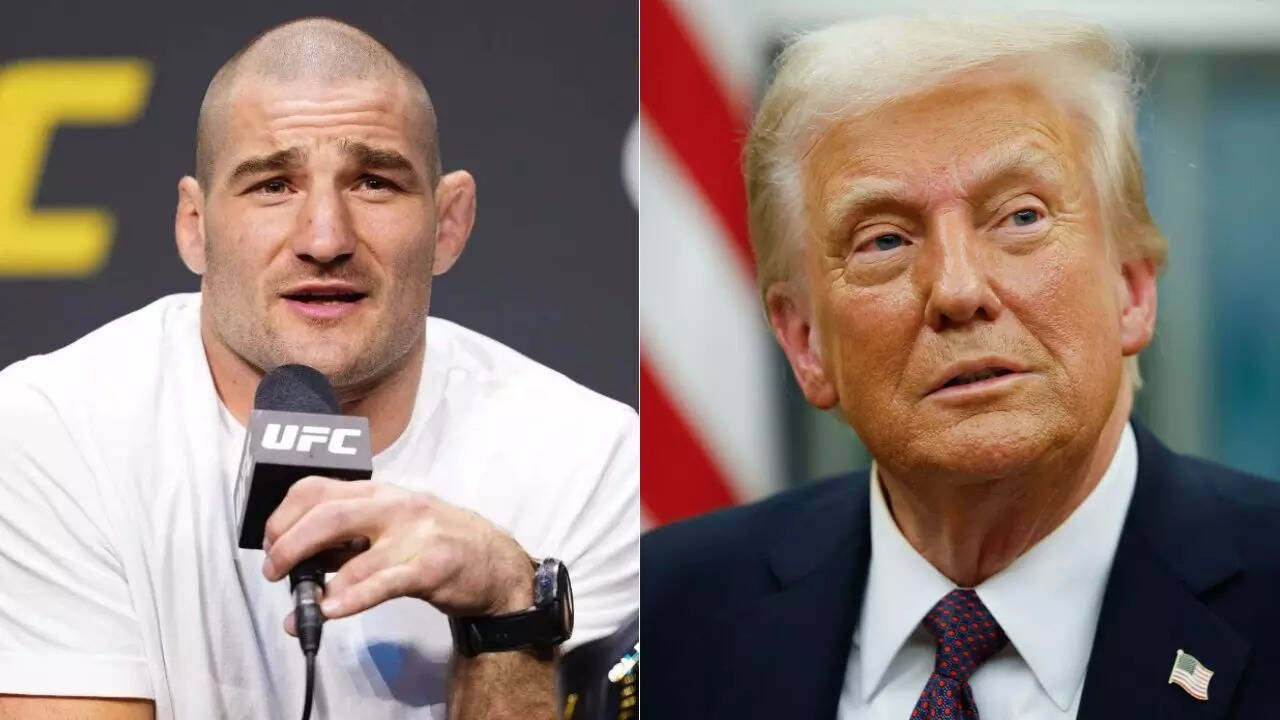
UFC Freedom 250 at the White House is turning into more than just a fight card, as a clash of narratives emerges over whether the middleweight champion was effectively barred from the event.
The hallowed grounds of the White House are no stranger to controversy, but this week, the tension arrived in the form of a cage fighter. Sean Strickland, one of the most polarizing figures in the UFC, has spent the last few days locked in a public dispute over his absence from the upcoming UFC Freedom 250 event. While fans and media outlets from The Guardian to Bloody Elbow have debated whether the fighter was officially banned, the spectacle has transformed a sports exhibition into a complicated political sub-plot.
Strickland’s version of events is clear: he claims he was denied the necessary security clearance to step onto the property. After initial assurances from UFC Chief Business Officer Hunter Campbell that arrangements were being finalized—a conversation Strickland asserts was captured by the promotion's own cameras—the fighter was ultimately left off the guest list. He has publicly pointed to his past vocal criticisms of Donald Trump and his commentary on the Epstein case as the likely catalysts for the denial.
The Dana White Counter-Narrative
UFC CEO Dana White has countered this account, consistently maintaining that no fighter was banned from the event. White attributes the restricted access to the logistical realities of hosting a high-profile gathering on government grounds, citing limited capacity as the primary driver for the thin guest list. To White, this is a matter of venue management, not a political purge of athletes who hold dissenting views.
Yet, the discrepancy between the fighter’s claims and the promotion’s official stance has created a vacuum of information. Strickland has not backed down, even jokingly remarking that he would have banned himself if he were in the position of the organizers. Despite the snub, he plans to travel to Washington, D.C. anyway, looking for local gyms to keep his training schedule on track while the rest of the roster prepares for the event.
Why it matters: The bigger picture
This incident underscores the increasingly blurred lines between professional sports, corporate governance, and political optics. For an organization like the UFC, which prides itself on cultivating a "no-holds-barred" brand, managing the private political opinions of its biggest stars is a growing challenge. When a fighter’s brand is built on unfiltered speech, the friction with institutional settings—like the White House—becomes inevitable.
Whether this was a genuine security vetting issue or a move to avoid potential PR fallout, the episode signals a shift. Athletes are no longer just competitors; they are influencers with massive, direct-to-consumer platforms. When their personal rhetoric clashes with the brand safety requirements of large-scale, high-security events, the resulting friction often spills into the public domain, forcing organizations like the UFC to choose between managing their talent and protecting their institutional partnerships.
Rohan Gupta covers the economy, markets and companies for PoliticalPedia.