The Op Sindoor Crossfire: Decoding the Centre’s Defence of Rajnath Singh’s Parliamentary Address
'Important to place address in context': Centre on Rajnath Singh's Op Sindoor deaths remark
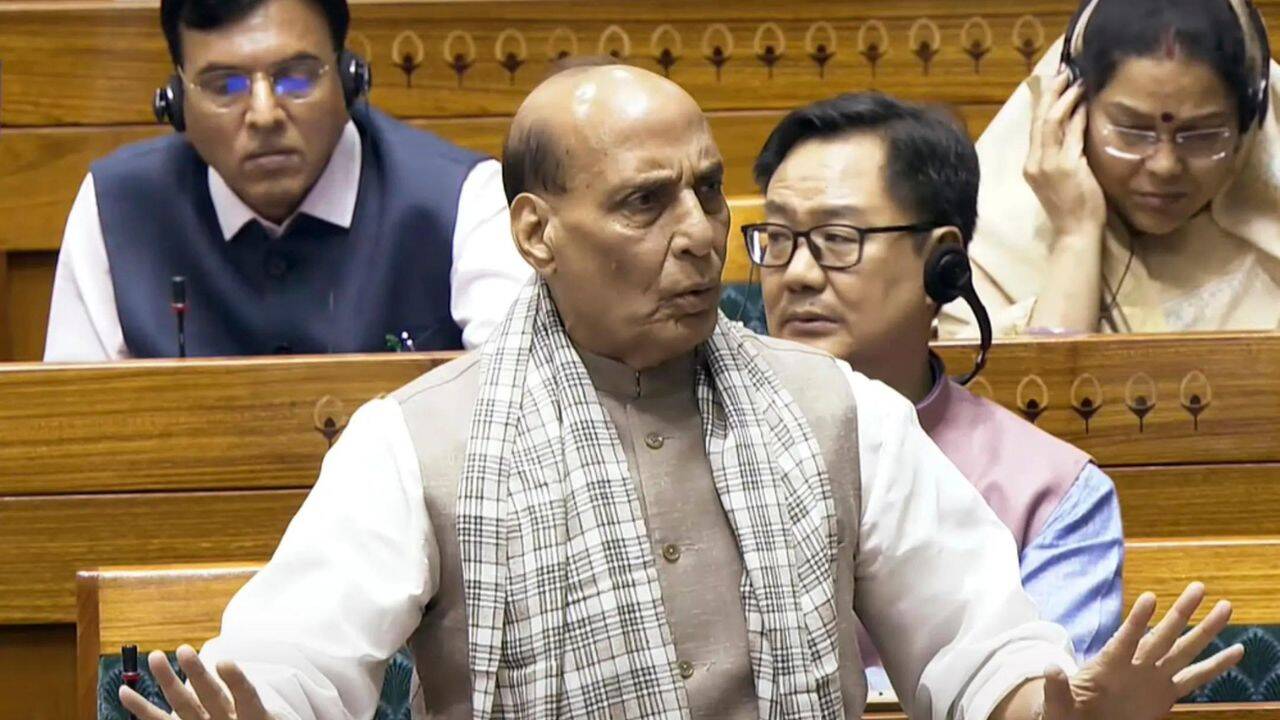
The government is pushing back against claims that the Raksha Mantri misled the House, arguing that his past remarks were a targeted rebuttal to false narratives.
The digital landscape is currently a battlefield of clipped videos and conflicting interpretations. At the heart of the storm is Operation Sindoor—the government’s flagship military success—which has suddenly shifted from a symbol of strategic prowess to a flashpoint for political friction. Following the release of the names of six soldiers killed in action during the mission, the opposition has leveled sharp accusations, claiming that Defence Minister Rajnath Singh misled Parliament in July 2025 by suggesting zero casualties.
For its part, the Centre is hitting back with a firm rebuttal. In a statement released this Saturday, the Defence Ministry argued that critics are cherry-picking phrases from the Raksha Mantri’s address to manufacture a controversy. The government maintains that during the July session, a persistent and aggressive narrative was circulating—both online and in certain media outlets—falsely claiming that Indian pilots had been lost during the operation.
Context or Contradiction?
The ministry’s stance is that the Raksha Mantri’s words must be placed in their proper context. According to the government, Rajnath Singh’s address was not a comprehensive casualty report but a targeted response to "mischievous" rumors intended to demoralize public sentiment and diminish the operation's military achievements. At the time, the government argues, the priority was to neutralize the false claims surrounding pilot losses, rather than providing a granular breakdown of every soldier involved in the theater of war.
The official account describes Operation Sindoor as a clear success, resulting in the neutralization of over 100 terrorists and Pakistani soldiers, alongside significant damage to infrastructure along the Line of Control. By framing the Minister’s previous remarks as a "fitting tribute" to military professionalism, the Centre is attempting to pivot the conversation back to the strategic outcomes of the mission.
Why it matters: The politics of perception
This incident highlights a growing trend in our information ecosystem: the weaponization of parliamentary records. When a high-stakes military operation is presented as a singular, "perfect" triumph, any subsequent disclosure of loss creates a credibility gap that political rivals are quick to exploit. The struggle here isn't just about the facts of the operation; it is about who gets to define the narrative of a national security event.
The pattern is clear—a move to isolate a specific remark from a broader speech is now the standard playbook for generating viral outrage. For the government, the challenge remains balancing the need for operational security and morale against the public's demand for absolute transparency. As the dust settles on this particular row, the tension between strategic messaging and full disclosure will likely continue to dominate the discourse in Parliament.
Kabir Sharma writes on culture, technology and everyday life for PoliticalPedia.