The Numbers Game: How the 2026 World Cup Rewrote the History Books
FIFA: USA sets World Cup attendance record
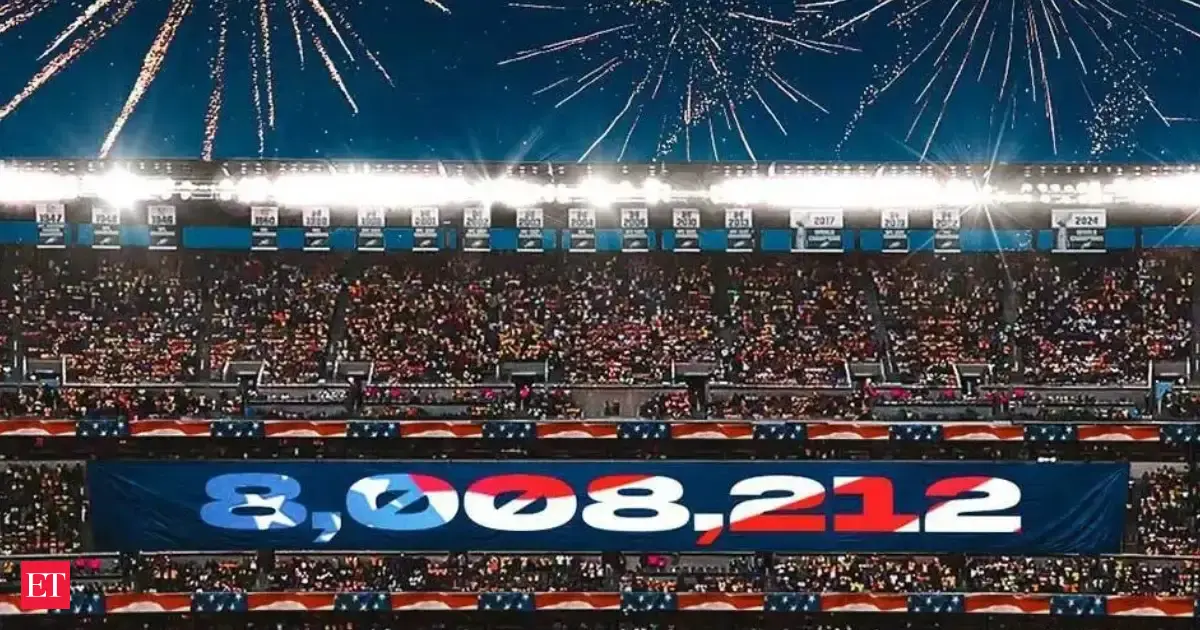
Beyond the tactical drama on the pitch, North America’s expanded tournament has turned the US into the highest-attended World Cup host in history.
The sheer scale of the 2026 FIFA World Cup has transformed the American sports landscape. By the Fourth of July, football’s world governing body confirmed a milestone that speaks to both the tournament's massive expansion and the evolving appetite of the US public: a combined attendance of 8,008,212 spectators across all matches played on American soil during the 1994 and 2026 editions.
The numbers represent a significant shift in how the world perceives the "soccer" market in the United States. With the 2026 tournament having already shattered the previous 32-year-old attendance record held by the 1994 edition, the 48-team format—which ballooned the schedule to 104 matches—has been the primary engine for this growth. Even with persistent chatter surrounding ticket pricing and travel logistics, the stadiums remain packed, boasting a 99.7% occupancy rate.
On the Pitch and in the Stands
While fans have flocked to the gates, the action on the grass has been equally relentless. The tournament’s momentum was palpable as France secured a quarterfinal berth after a tense 1-0 win over Paraguay in Philadelphia. Simultaneously, the Atlas Lions of Morocco continued their fairy-tale rise, dispatching Canada 3-0 in Houston behind a clinical brace from Azzedine Ounahi. These high-stakes encounters have only intensified the demand for tickets as the tournament enters its business end.
The 2026 edition has effectively turned every matchday into a logistical and cultural spectacle. By surpassing the 3.6 million mark early in the group stage, the tournament made it clear that the sheer volume of games, combined with the use of massive NFL venues, would make previous records look modest.
The Bigger Picture: Why It Matters
This record isn't just about bums on seats; it’s a bellwether for the future of global sports hosting. The success of this tournament proves that the "World Cup" brand has immense elasticity when paired with high-capacity infrastructure. By opting for a 48-team format, FIFA has essentially guaranteed that the record will continue to climb as the knockout stages progress.
For the US, this is a long-overdue validation of its potential as a footballing powerhouse. The transition from the 1994 tournament—which first introduced modern football to a wide American audience—to the current, hyper-commercialized version shows a mature market ready to sustain the sport at the highest level. As the world watches France and Morocco prepare for their upcoming showdown, the numbers confirm that the US is no longer just a neutral host; it is now a central stage for the global game.
Priya Nair covers parties, elections and the business of power for PoliticalPedia.