The New Brahmastra: Why Hypersonic Missiles Are Rewriting the Rules of Warfare
Modern-day Brahmastra? How hypersonic missiles could change the rules of war
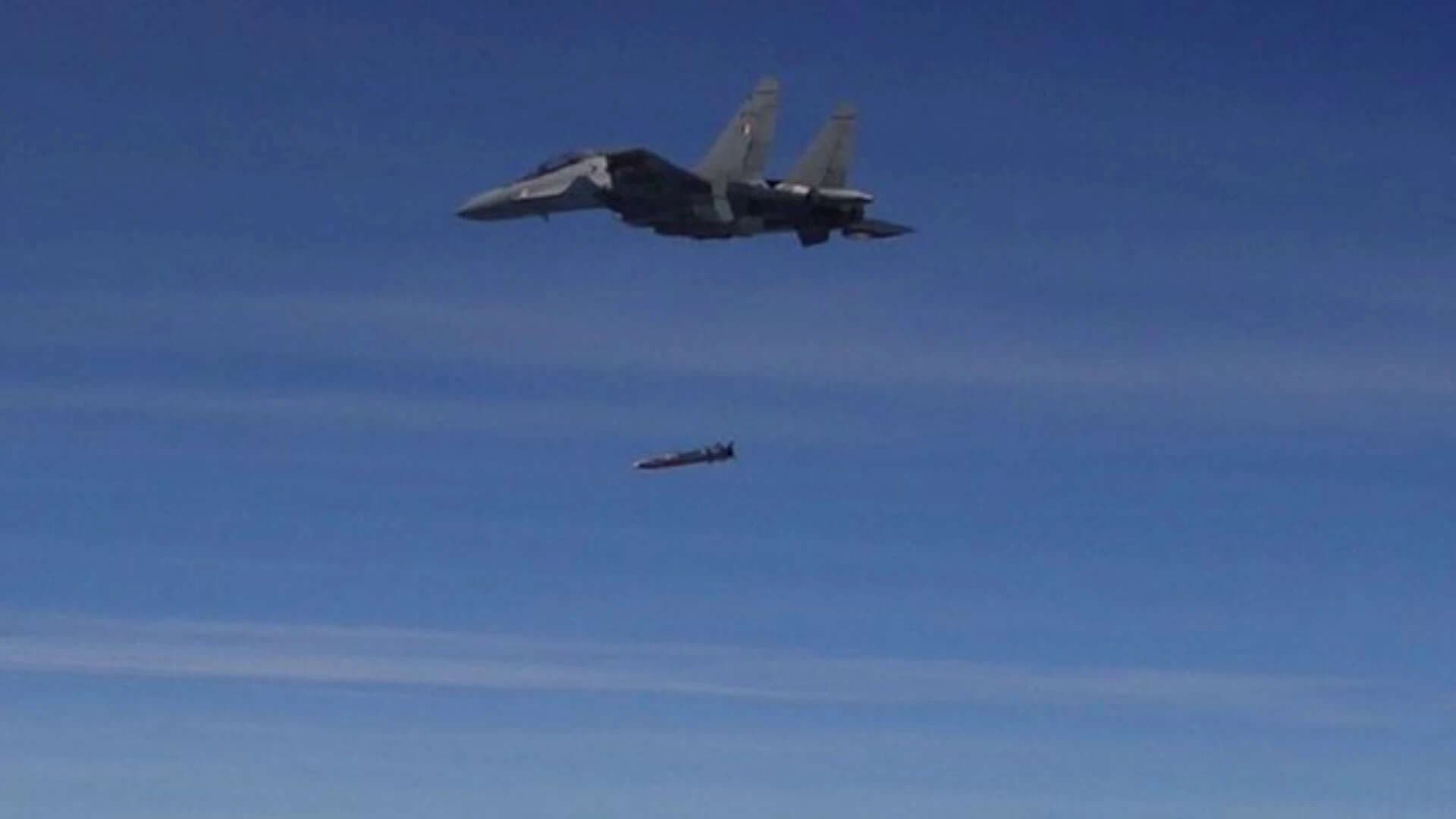
As global powers race to master speeds exceeding Mach 5, the traditional shield of air defence is rapidly becoming obsolete.
The battlefield of the future won't be defined by numbers, but by the clock. Imagine a radar screen in an air defence command centre. A conventional supersonic threat, travelling at Mach 3, gives a commander roughly 15 seconds to react once detected. It is a harrowing window, but one that has defined military strategy for decades. Now, shift that reality to a hypersonic weapon flying at speeds above Mach 5—over 6,100 kmph. In this scenario, the window of reaction collapses to less than nine seconds. For those tasked with protecting strategic assets, the margin for error has effectively vanished.
Breaking the Radar Horizon
Hypersonic weapons represent a fundamental shift in how we perceive the "modern Brahmastra"—a weapon so swift and unstoppable that it alters the very nature of deterrence. Unlike traditional ballistic missiles, which follow a high, predictable arc into space before re-entering the atmosphere, these new systems are built to hug the terrain. By flying at low altitudes, they exploit the radar horizon, staying hidden from ground-based sensors until they are nearly on top of their target.
There are two primary ways these weapons operate. Hypersonic glide vehicles are boosted to high altitudes by rockets before descending to glide at immense speeds, manoeuvering unpredictably along the way. Then there are hypersonic cruise missiles, which rely on scramjet engines to maintain sustained, powered flight within the atmosphere. Because they can change course mid-flight, they defy the intercept geometry of current surface-to-air missile systems, most of which were never designed to catch a target moving this fast, let alone one that can jink and dive.
The Engineering Gauntlet
Mastering this technology is not merely a matter of strapping a bigger engine to a warhead. The sheer physics of flying at Mach 5 or higher creates extreme thermal loads that can melt conventional airframes. Engineers are currently battling the immense challenge of developing cooling systems capable of withstanding this friction. Furthermore, sustaining combustion in a scramjet engine is notoriously difficult; the fuel must ignite even as air rushes through the engine at supersonic speeds. It is a high-stakes test of material science and propulsion stability that separates the global powers currently leading the pack from those scrambling to catch up.
Why it Matters: The Strategic Tipping Point
The real-world implication of this technology is a profound shift in military survivability. When a missile becomes virtually impossible to intercept, the strategic calculus of "deterrence" changes. Nations that possess these weapons will essentially be able to dictate the terms of engagement, while those lagging behind face a new, glaring strategic vulnerability. We are moving toward a period where the ability to strike first—and strike with near-certainty—outweighs the ability to defend. This technological leap doesn't just make war faster; it makes it fundamentally more difficult to manage, potentially shrinking the time available for diplomatic intervention to almost zero.
Politics Desk at PoliticalPedia covers parties & elections for an Indian audience in English and Hindi.