The NEET Crisis: Why India’s Exam System Is Facing a Reckoning
NEET paper leak: Lessons from India's biggest exam scandal
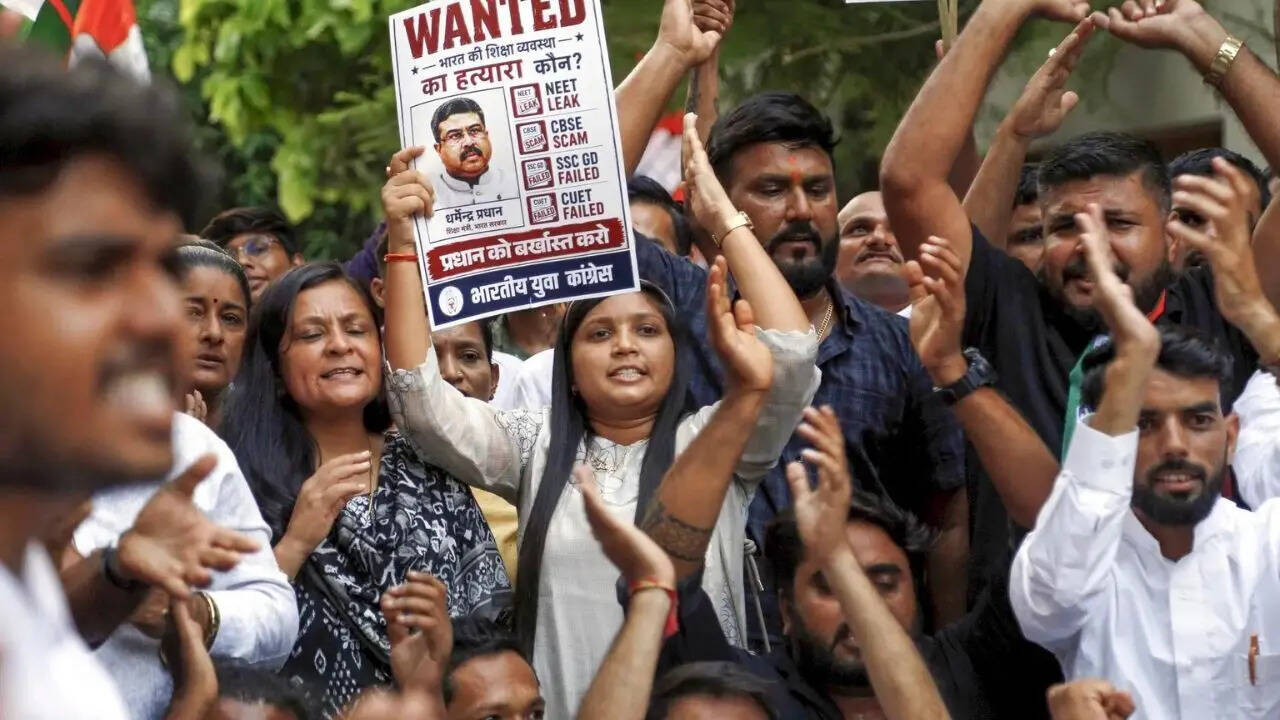
A string of paper leaks and procedural failures has shattered the sanctity of India’s competitive examination system, leaving millions of students in a state of suspended animation.
For the 2.3 million aspirants who sat for the NEET-UG 2026, the exam was meant to be a gateway to one of the 1.3 lakh available medical seats. Instead, it became the epicenter of a systemic collapse. When allegations of a paper leak surfaced, they didn't just trigger protests; they reignited a national debate about the reliability of the National Testing Agency (NTA). The Supreme Court’s sharp rebuke—noting that the NTA seemingly "hasn’t learned any lessons"—captures the growing frustration with an examination system that appears increasingly fragile.
A Pattern of Failure
The NEET controversy is not an isolated incident; it is part of a broader, troubling trend. From the UGC-NET and SSC recruitment tests to railway exams and various state-level assessments, the narrative remains painfully familiar: question paper leaks, organized cheating rackets, and technical glitches. These are not merely administrative hiccups; they are structural cracks. When the integrity of an exam is compromised, it isn't just the test that fails—it is the aspirations of lakhs of students who have invested years of preparation and their families' life savings into a process they believed was meritocratic.
The fallout from these scandals has been chaotic. Authorities have been forced to order re-tests, launch CBI investigations, and, in a desperate attempt to curb misinformation, even temporarily block Telegram channels used to peddle fake papers. The financial cost of this mess is staggering—estimated by some reports to be in the region of ₹1,000 crore—but the human cost is immeasurable. The cycle of uncertainty, where students are left in limbo while courts and agencies battle over the validity of results, is causing deep-seated trauma and a total collapse of institutional trust.
Why it Matters: The Bigger Picture
The current crisis signals that India’s exam-centric culture has outpaced its oversight capabilities. We are seeing a mismatch between the sheer scale of these high-stakes tests and the security protocols meant to protect them. The recurring nature of these leaks suggests that the problem is not just one of technology, but of accountability. When a student’s future is determined by a single day’s performance, the incentive for corruption skyrockets, creating a lucrative market for paper leaks.
Moving forward, the pressure is mounting for a complete overhaul. Whether it is looking at global models like China’s Gaokao or adopting the rigorous standards of the UPSC, the message from the judiciary and the public is clear: incremental changes are no longer sufficient. India needs a transparent, iron-clad examination system where technology acts as a safeguard rather than a vulnerability. Without deep-rooted reform, every major exam will continue to be a high-stakes gamble rather than a fair test of merit.
Rohan Gupta covers the economy, markets and companies for PoliticalPedia.